
Here are some interesting words that can’t be expressed in a single word in English. If you’re learning Japanese, you might want to remember these to impress your sensei 😉
Table of Contents
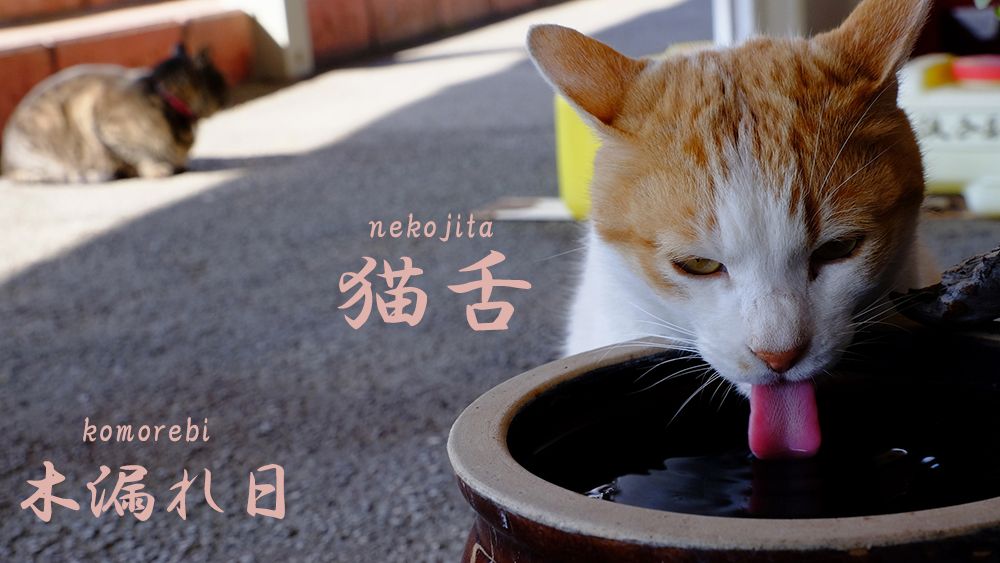
ToggleNekojita 猫舌
- Lit. “cat tongue”; someone who is sensitive to hot food and drinks. (Cats naturally avoid hot temperatures to prevent burning their sensitive tongues.)
Unkai 雲海
- “Sea of clouds.” A popular activity in various mountain ranges of Japan is to head out early in the morning to see unkai.
Nemawashi 根回し
- “Laying the groundwork.” This is an informal process to lay the foundations of a new plan by consulting with stakeholders and considering their concerns before a formal announcement.
Kuidaore 食い倒れ
- “Eating yourself into bankruptcy.” Meaning you love food and drink so much that you are willing to spend all your money for it! (This term is famously associated with Osaka.)
Tsundoku 積ん読
- “Acquiring books until they pile up and you never get around to reading them.” All bibliophiles are guilty of this!
Wasuremono 忘れ物
- “Something left behind unintentionally, lost, or forgotten.” Surprisingly, you don’t have a single word in English for saying you lost or forgot something.
Irusu 居留守
- “Pretending to be out of the house.” We all have done this probably once in our lifetime: avoided opening the door for an annoying neighbor or salesman.
Komorebi 木漏れ日
- “Sunlight filtering through trees.” You must have taken shots of sunrays kissing the ground through a copse—now you have a word to #hashtag for these!
Shinrinyoku 森林浴
- Lit. “forest bathing.” Relaxing and soaking up the energy of a forest; a great way to reconnect with nature.
Beyond Translation
Do you know more words that you have trouble finding a “one-word” English equivalent? These words offer fascinating insight into Japanese culture, aesthetics, and everyday life.