Tokyo was called Edo in the olden days and was the center of culture for about 250 years. Many townspeople lived in Asakusa, Ueno, and Yanaka, parts of present-day Taito. While Tokyo has developed dramatically, Taito keeps traditional handicrafts and the spirit of the Shitamachi (downtown) alive. Attracting millions of foreign travelers every year, Taito is a treasure trove of shrines, temples, and historic events.
In this feature, we introduce some of the most popular spots in Taito, ranging from traditional craft centers to hands-on cooking and hot springs!
Kappabashi Street: The Heart of Kitchenware

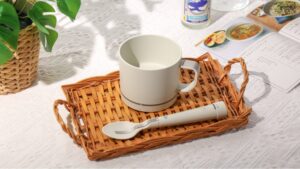
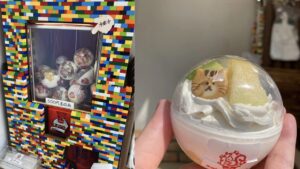
Kappabashi Street, an area located in the west of Asakusa, holds the largest number of stores that sells professional kitchen tools in Japan. Approximately 800-meter long, this street is lined with as many as 170 stores that sell ceramic goods, kitchen utensils, and many other items related to restaurant businesses. Ganso Shokuhin Sample-ya (Kappabashi store) is known for its workshop where you can experience making artificial food samples using an age-old method. You can create food samples that look so real, someone might even mistake them for real food! Other than making them, you can also enjoy looking at the unique products all made with the same technique and buy some as souvenirs. An ideal place to pick up presents! *Reservation on the phone is required to participate (only in Japanese).


Don’t these food samples whet your appetite?
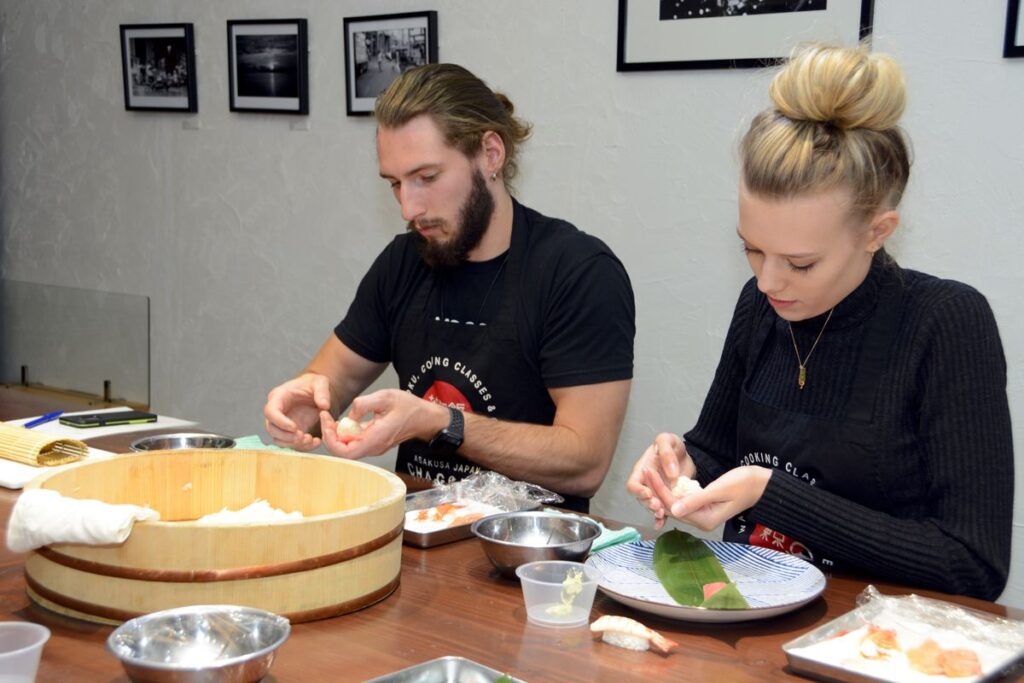
Chagohan Tokyo is a cooking school located near Kappabashi Street and Tsukuba Express Asakusa Station. They offer many classes where you can learn to cook Japanese cuisine, including ramen, dumplings, sushi, sukiyaki, tempura and okonomiyaki. All the seasonings used in the classes are additive-free. Options for vegans or people with food allergies are also available (required to consult beforehand). The explanation of ingredients and instructions for cooking are provided in English. A great chance to enjoy eating authentic Japanese food that you cook by yourself!


There is also a spot where you can enjoy traditional craftsmanship of downtown Tokyo!
Edo Taito Traditional Crafts Center, a facility located within walking distance from the popular sightseeing spot of Sensoji, introduces craftsmanship and traditional handicrafts that have been handed down over the years in this area. You can learn details of traditional crafts by using touch panels and smartphones in four different languages (Japanese, English, Chinese, and Korean). On the weekends, some craftsmen will be there so that visitors can talk to them and actually see their skills (English speaking staff will be present). A facility that is full of Japanese traditions and craftsmanship.


You can actually experience craftsmanship near Shin-Okachimachi Station, only one station away from Asakusa Station on the Tsukuba Express Line. Shinohara Maruyoshi Furin offers workshops to make Edo Furin, which are made only in two places in Japan. Quintessentially associated with summer since the olden days, Edo Furin is a wind chime made of glass that creates a gentle, soothing sound. There are two courses available: only coloring the Furin, or making a furin by blowing glass followed by coloring. The coloring course is available throughout the year while the other course is available only from the end of March to December. (Reservation is required for both courses.)


Can you believe that there is a natural hot spring bath even in Taito?
After trying a lot of activities, how about visiting a public bath to relax in this historically rich downtown area? Yudonburi Sakaeyu is located north of Sensoji, in an area called Oku-Asakusa. You can enjoy as many as seven different kinds of baths, including a rotenburo (outdoor bath), neburo (lie-down bath), and denkiburo (an electric bath for health reasons). Sauna is also available at an additional cost. The outdoor bath is especially popular among foreign guests. Although a natural hot spring, the facility itself is a sento, a downtown-style public bath, so the fee is only 550 yen! You can buy towels and shampoo, so you can just walk in! Open to all, how about taking a break from sightseeing and relax in a bath? One of the comforting aspects for foreign guests is that instructions are written in English on the website as well as in the baths; further, guidance in English is also available on the spot.


Lastly, we introduce an amazing spot where you can experience many kinds of Japanese culture.
Tourist Information & Culture Center YANESEN is an information center for foreign tourists located near the Yanaka Ginza shopping area, a 5-min walk from Sendagi Station on the Chiyoda Line. You can experience traditional Japanese culture, such as tea ceremony, Japanese calligraphy, flower arrangement and kimono dressing. They have so many courses that you can find what you are interested in. The best part is that all the courses have an English interpreter.


Taito, where you can feel the culture and history of Edo
Taito is a district where the past and present blend seamlessly, offering a depth of experience that goes far beyond simple sightseeing. Whether you are blowing glass for a wind chime or soaking in a local spring, Taito offers a unique window into the heart of Tokyo’s history.