
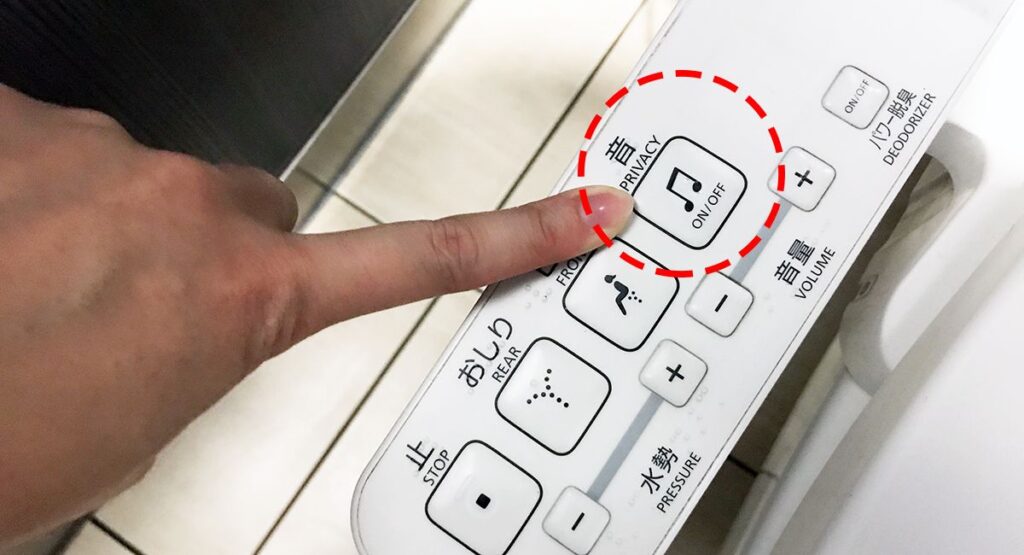
Have you ever heard the sound of rushing water the moment you step into a Japanese restroom stall? Or perhaps you’ve noticed a button on the washlet panel featuring a musical note or a speaker symbol?
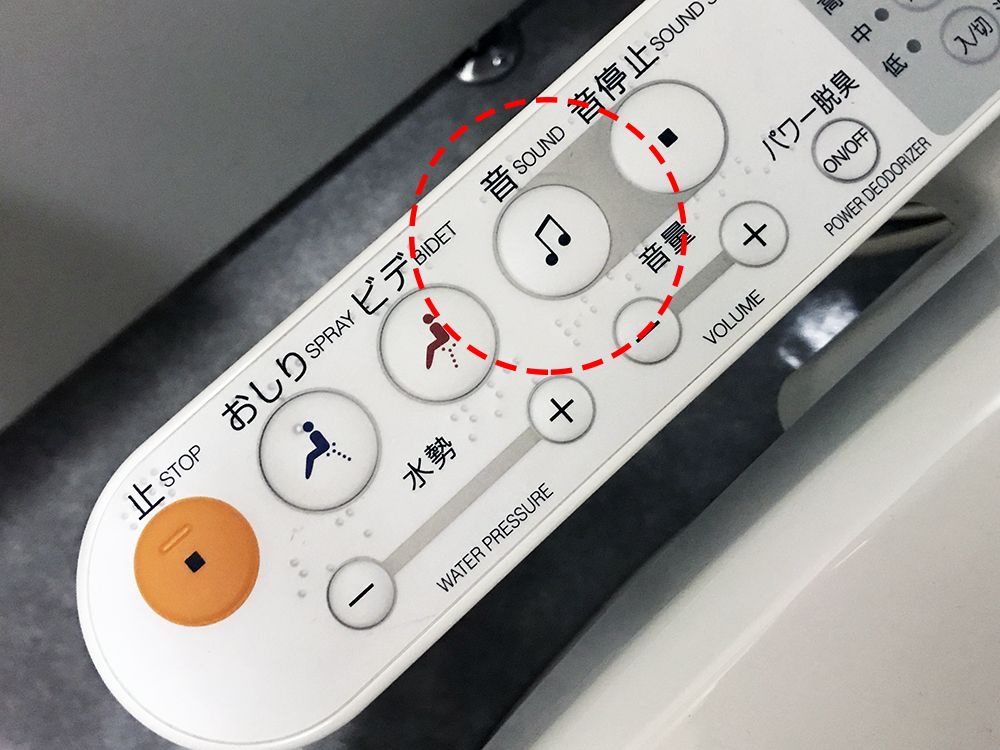
This unique feature is known as Oto-hime (音姫), which literally translates to “Sound Princess.” First invented by TOTO in 1988, it has become a standard element of Japanese hospitality and environmental consciousness.
The Edo Period Origins
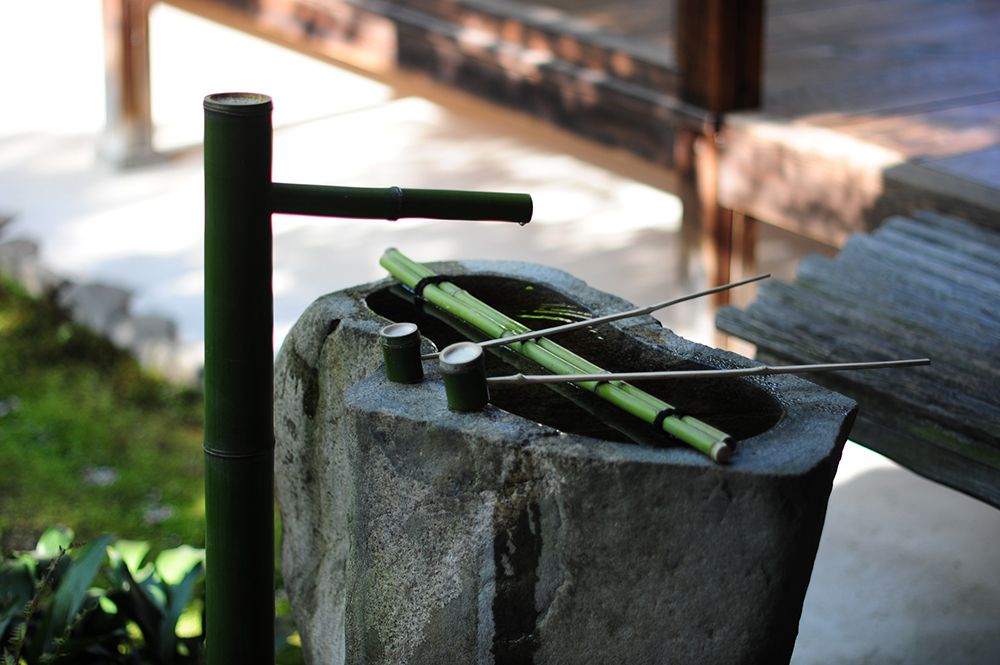
The concept isn’t actually new; it was inspired by a tradition practiced by Japanese women since the Edo period. Back then, women used various objects to mask sounds while using the restroom. They would open bamboo taps to let water flow into natural stone basins, creating a “white noise” effect that provided privacy and maintained decorum.
An Eco-Friendly Solution
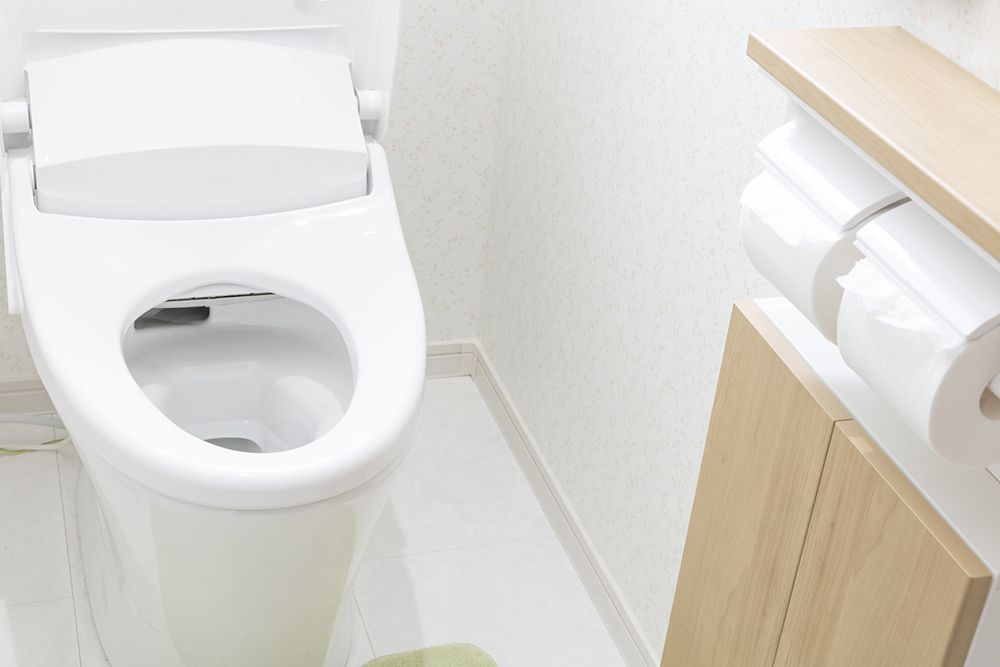
Before this technology, most people flushed toilets to muffle any unpleasant sounds while using the toilet, but considering water resources are limited, this was very wasteful.

This technology was created so that toilet users, especially women, do not feel the need to flush toilets to cover the unpleasant noises they produce when using the toilet. Women always press this button when using the toilet!
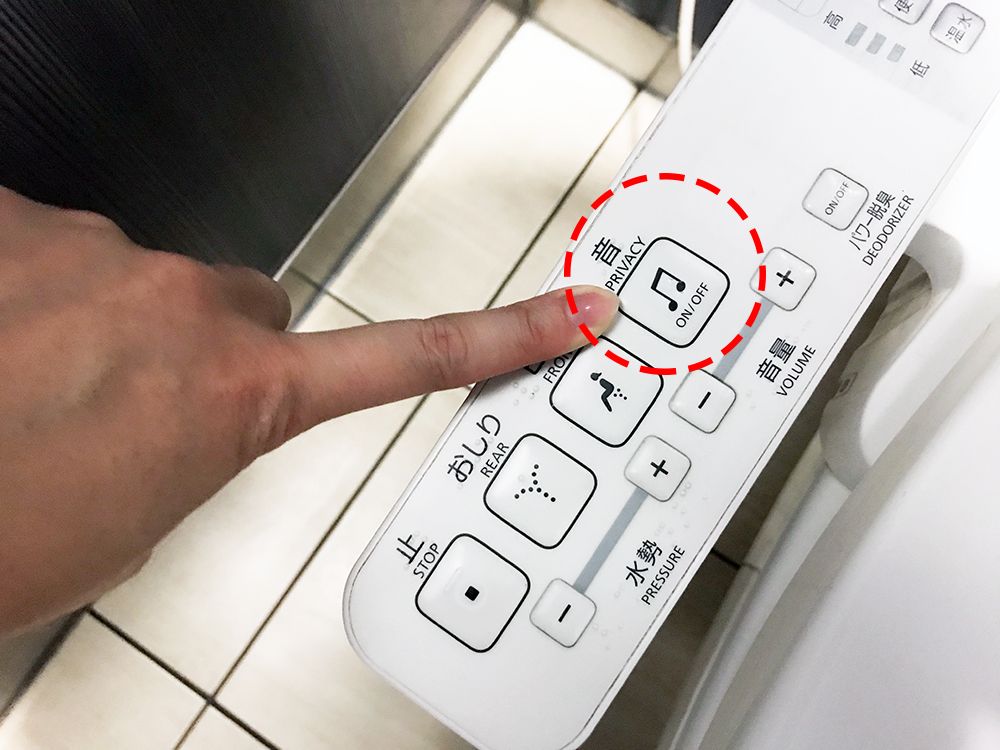
The sound of water flowing will be heard loud enough when this button is pressed, so sometimes some Japanese people are embarrassed to press this button too.
How it Works Today
In modern restrooms, you don’t even have to press a button! Most high-end toilets in department stores and airports are equipped with motion sensors that trigger the sound automatically as soon as you sit down or wave your hand near the sensor.
While the primary goal is privacy and preventing embarrassment, the sound of flowing water also provides a surprisingly relaxing effect in a public space. Interestingly, even though it was designed to help people feel less shy, some Japanese people are still a bit bashful about the sound being heard too loudly!
A Masterclass in Thoughtful Design
The Oto-hime is a perfect example of how Japan uses technology to honor ancient etiquette while solving a modern environmental problem. It is a small detail that makes a big impact on comfort and sustainability. Next time you encounter a washlet in Tokyo, listen for the “Sound Princess”—it’s a uniquely Japanese experience!
Source articles: https://jp.toto.com/greenchallenge/technology/story/07/ https://jp.toto.com/greenchallenge/ecocafe/post02/