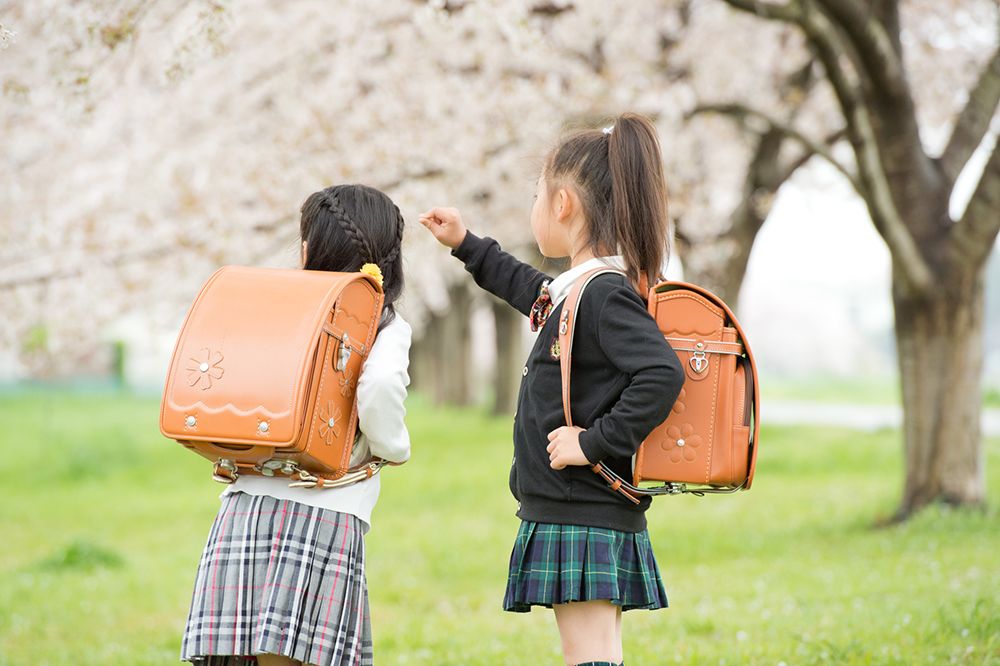
Spring in Japan marks the start of the new school year. You will often see many kids walking with a randoseru—a firm, iconic backpack used mainly by elementary school children. Many people wonder if it’s heavy and why Japanese children carry such a specialized bag. In 2026, this tradition remains as strong as ever, blending high-end craftsmanship with modern technology.
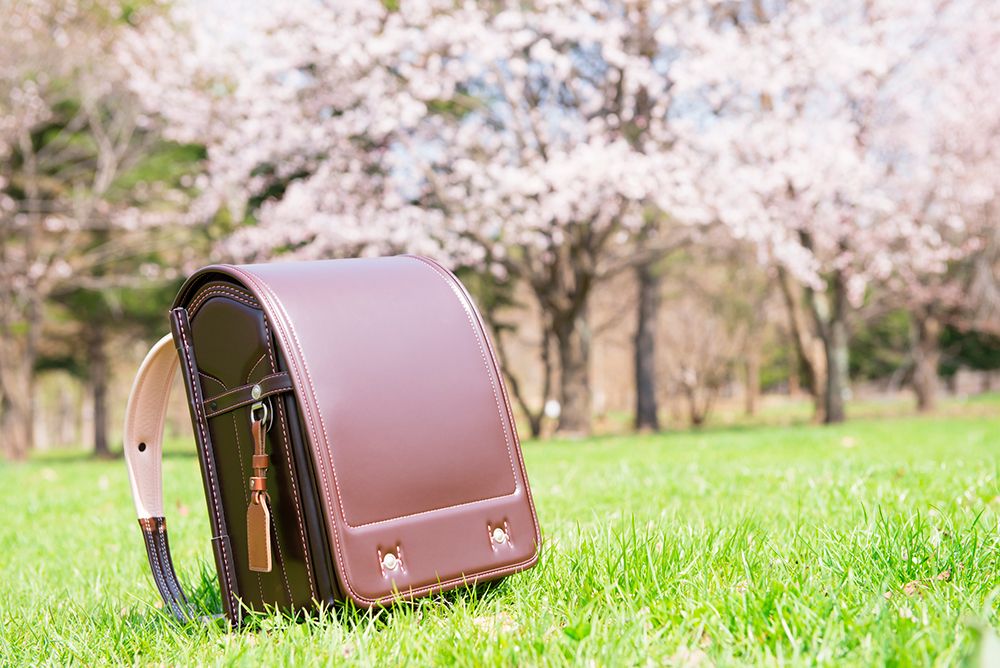
The Randoseru costs 30,000 – 120,000 yen!
The randoseru does not come cheap! Most bags are handmade and, depending on the brand and materials, you might have to shell out anywhere from 30,000 to over 100,000 yen (approx. $200–$800 USD).
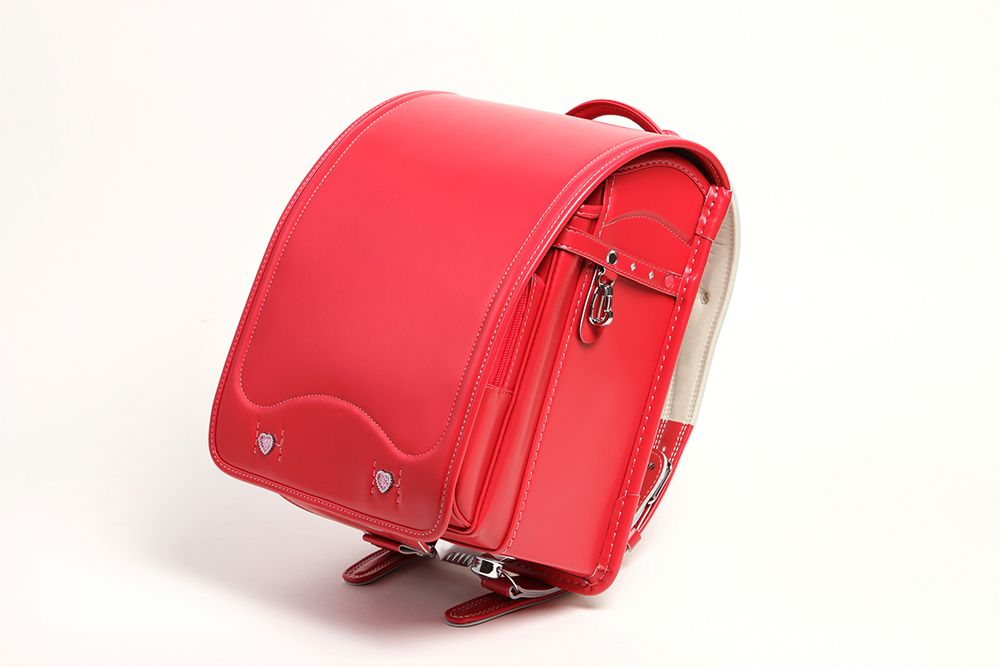
In 2026, luxury models made of premium leather can even exceed 120,000 yen. These bags are a major investment, often gifted by grandparents, and are built to last for all six years of primary school.
So what is the Randoseru?
The origin of the randoseru goes back to the Edo period when Japan was influenced by the West. The name comes from the Dutch word ransel (rucksack), originally used by soldiers. Over time, it evolved into the specialized student bag we see today.
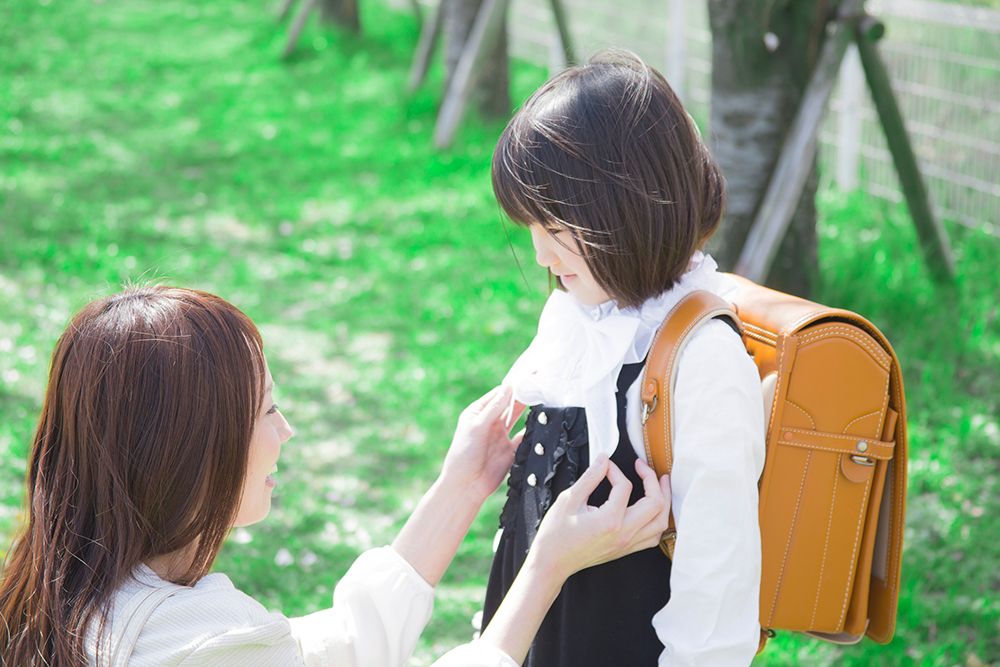
A randoseru typically weighs between 1,000g and 1,500g. While heavier than a standard nylon backpack (approx. 700g), modern 2026 models utilize lightweight, high-performance synthetic leathers like Clarino to reduce the load.
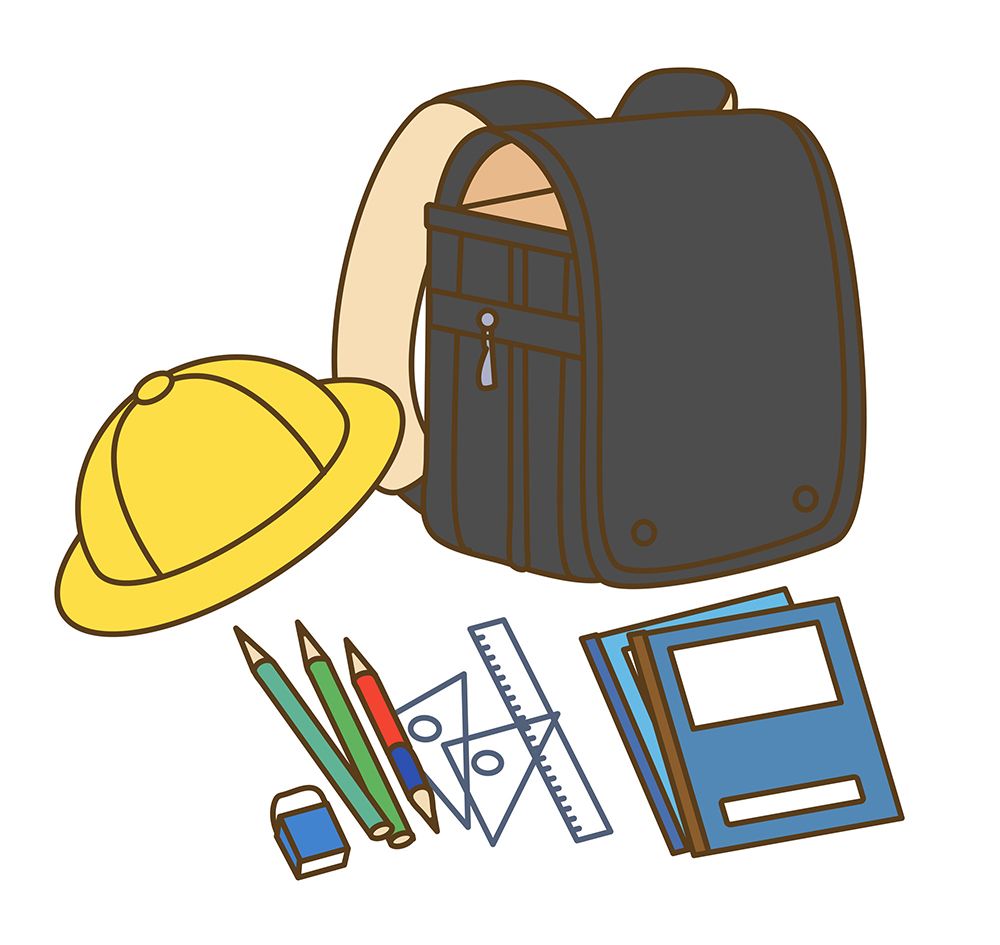
Once filled with notebooks, textbooks (adding 1–2 kg), and tablet devices, the bag becomes quite substantial. However, the rigid structure is designed to keep the weight centered, which many believe helps with a child’s posture.
Ergonomic Design for a 6-Year Journey
The dimensions of a randoseru render it to have a positive effect on posture. One of the key design features is the soft cushioning for the back which reduces the load on the spine as well as adjustable straps that adjust to match the child’s constitution. Since it comes up to the waist, it is easy to move, sit and even lean back without feeling uncomfortable.
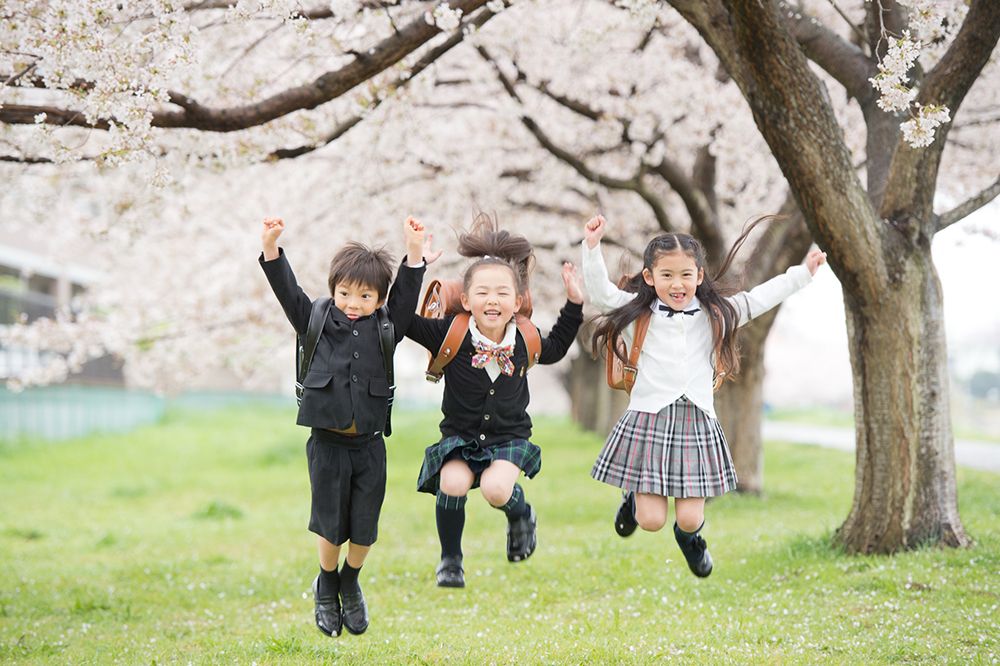
In contrast to a normal backpack, a randoseru does not weigh the child down as the weight is centered.
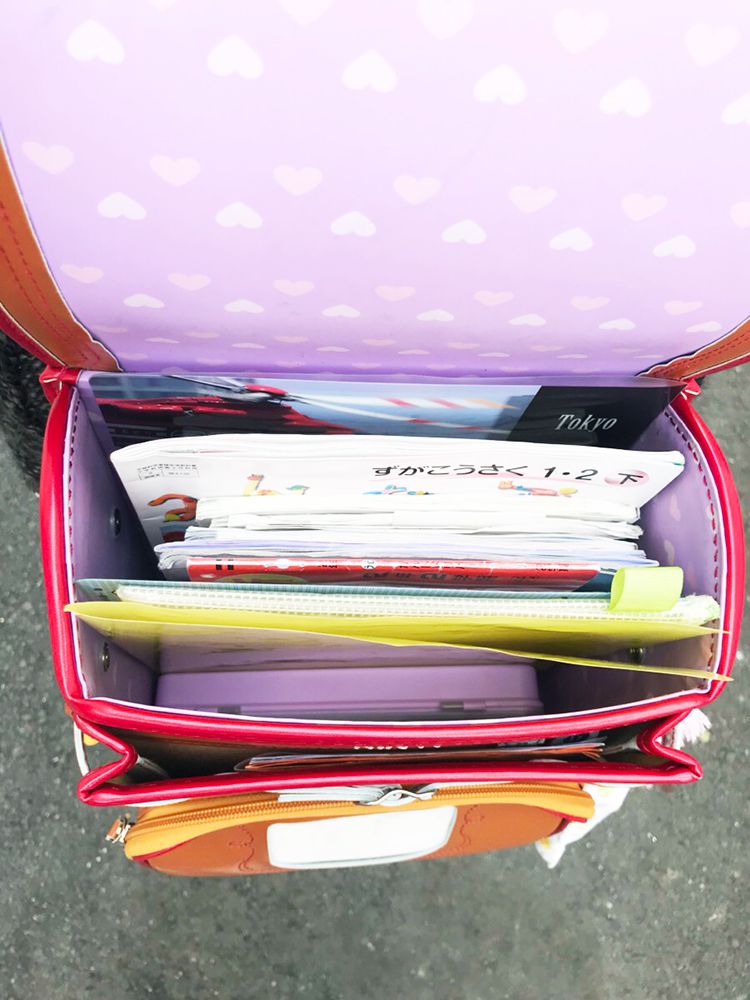
The randoseru has a wide opening and stiff casing makes it easy to access notebooks that do no wrinkle, crease or fold. Other than that, you can attach safety reflectors, mobile phones, as well as jazz up your randoseru with various charms or trinkets of your child’s favorite characters. You can buy clear plastic covers that slip over the bags to keep out rain and to protect the bags from scratches.
One of the major reasons that Japanese children have to carry the randoseru
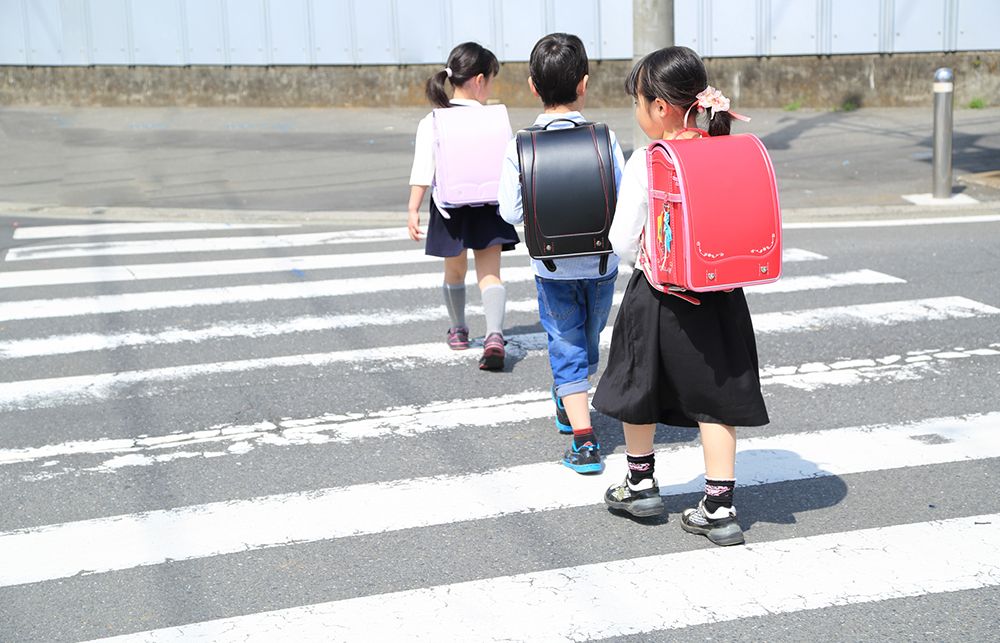
Unlike most Western countries where parents drop their kids to school in a car or children take the school bus, most Japanese children walk to their school or take a train on their own. Having a good bag that balances the weight of all the things they need for school as well as doesn’t negatively affect their posture is important. And above all, the randoseru has a symbolic and emotional value for young Japanese as it represents the start of a new phase in life.