One of the main ingredients required to make excellent sake is fresh, clean water. This resource can be difficult to find within a bustling city, which is why we ventured out to Sawai in Ome City—a riverside area beautifully enveloped by mountains.

Ozawa Sake Brewery (Ozawa Shuzo Co., Ltd.) has stood in the same location since 1702, a time when Japan was still governed by samurai. Although nihonshu is often referred to as “rice wine,” the fermentation process is actually more similar to that of beer than wine.
Getting there
From Shinjuku, take the JR Chuo Line and transfer to the Ome Line up to Sawai Station. The brewery is just a five-minute walk from this quaint little station. In 2026, this remains one of the most scenic day trips from central Tokyo.
The Brewery Tour
Tours of the brewery are offered for free! However, as of 2026, they are extremely popular, so please make sure to book in advance online.
First things first

You will be welcomed by the staff at the back of the family home, a grand structure that instantly transports you to bygone days.

Here, you will learn about the Sakabayashi (or sugidama). This is a ball made of Japanese cedar (sugi) needles hung in front of the brewery to signal the start of fresh production. It changes from green to brown as the sake matures. At Ozawa Sake Brewery, sake is brewed from September to mid-May, with a new Sakabayashi hung every autumn.
Inside the Genroku-kura

When you enter the brewery, you might be surprised by the darkness. The structure is designed to prevent light intrusion to maintain a stable temperature. Inside, you’ll find the awe-inspiring Genroku-kura, a massive wooden structure housing metal tanks. Some tanks hold over 8,000 liters—enough to last one person 120 years if they drank one cup every single day!
Polishing the rice

Next, you’ll learn about rice polishing, the first step of the brewing process. The grain is polished to varying degrees to create different varieties. Their top-tier sake, “Daiginjo Koh,” is made by polishing away 65% of the grain. The leftover rice bran (nuka) isn’t wasted; it’s used to ferment vegetables for traditional pickles.


Kuramamori

This is a unique area where sake from specific years has been preserved. While sake is usually consumed within a year or two of production, seeing these vintage shelves is a true novelty.
Water source

Water is the most important element for premium sake. The brewery’s source is a well that is actually a 140-meter tunnel dug deep into the hill behind the facility. The water is exceptionally clear and low in iron. You’ll notice the entrance is adorned with shide (zigzag paper streamers used in Shinto rituals) to signify its sacred importance.
The tasting

Finally, what you’ve been waiting for. The final step of the tour is tasting the sake. All participants are provided with one cup for free.

Across the road by the river is the Sawanoi-en Garden. In 2026, the sake bar remains a highlight, where you can sample about 12 varieties. Prices generally range from ¥200 to ¥600 per cup.

There is a restaurant serving simple, delicious meals like udon, soba, and tofu specialties.
So how about spending a quiet day in the countryside with sake and the sound of a river for company?
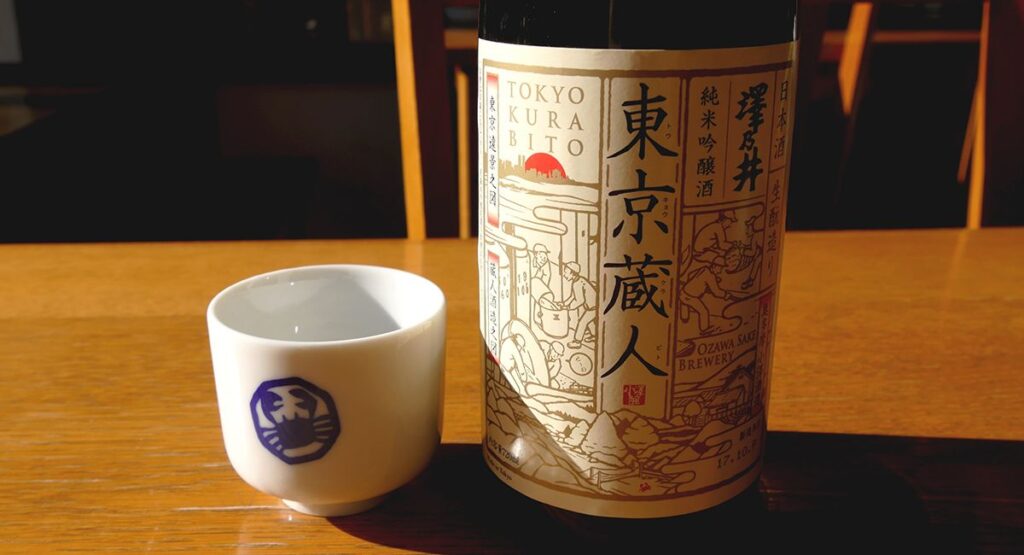
The best time to visit is undoubtedly autumn (late November) for the foliage, or spring for the riverside blossoms. The brewery is a perfect place to pick up a souvenir; a bottle of fresh Sawanoi sake is a gift that family and friends will truly appreciate.
Details Ozawa Sake Brewery (澤乃井-小澤酒造株式会社)
Address: 2-770 Sawai, Ome-shi, Tokyo
Opening Hour: 8:00 am – 5: 00 pm
Closed: Monday (except for National Holidays on Monday, in which case closed on Tuesday)
Bookings: http://www.sawanoi-sake.com/en/about#tour
Sake Tour: 11:00 am, 1:00 pm, 2:00 pm and 3:00 pm (except during brewing season when it held only once a day)
Duration: about 20-30 min