
In Japanese cooking, the phrase “Sa Shi Su Se So” is much more than a simple phonetic alphabet row. It is a brilliant culinary mnemonic that tells you exactly which order to add your seasonings to achieve the perfect balance of flavor.
As of 2026, this “golden rule” is still taught in culinary schools and used in home kitchens throughout Japan. Here is the breakdown of why the order matters so much.
“Sa” Sato(砂糖)
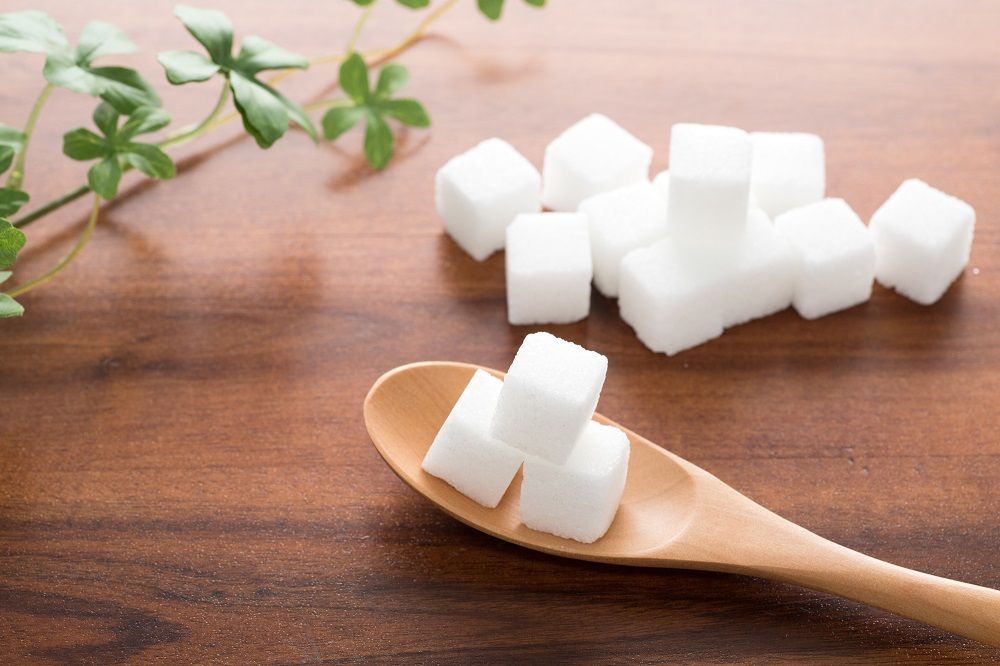
“Sa” stands for Sato(砂糖)which means sugar. Sugar comes first in the order as it is more dense than salt and takes longer to penetrate into the other ingredients.
“Shi” Shio(塩)
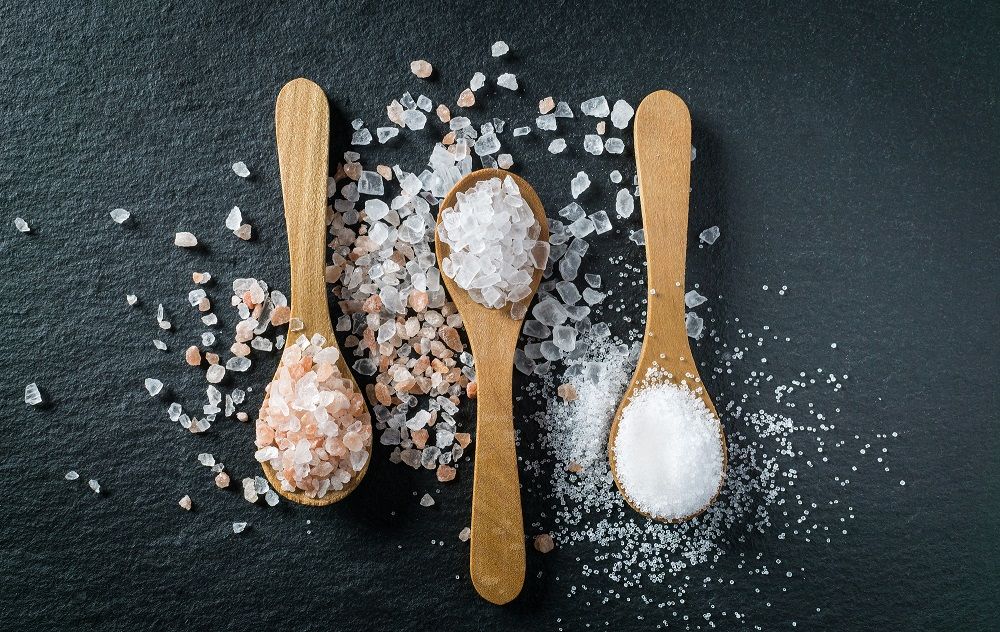
“Shi” stands for Shio(塩)which means salt. Its function is to strengthen the taste of food and is added after sugar to balance flavor. Strong penetration and high absorption of salt makes it necessary to add it earlier than other ingredients. It is also used to soak moisture from vegetables and get rid of smell in fish.
“Su” Su(酢)
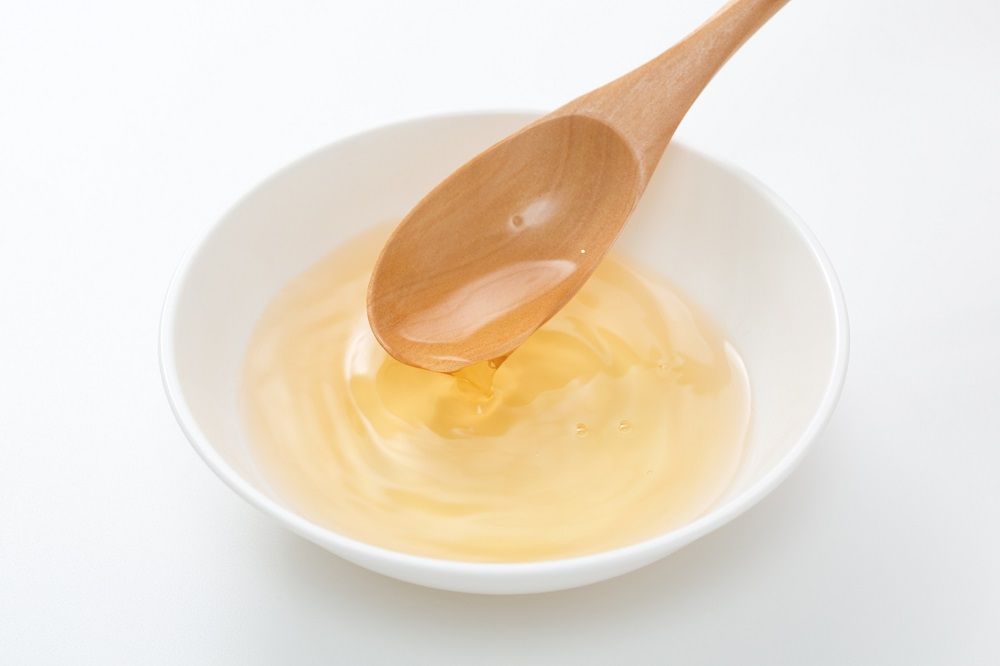
“Su” stands for Su(酢)which means vinegar. Vinegar has a function to prevent food from absorbing too much salt. Further, if you add the vinegar at an earlier stage, it won’t seep into vegetables due to too much moisture.
“Se” Seuyu / Shoyu(醤油)
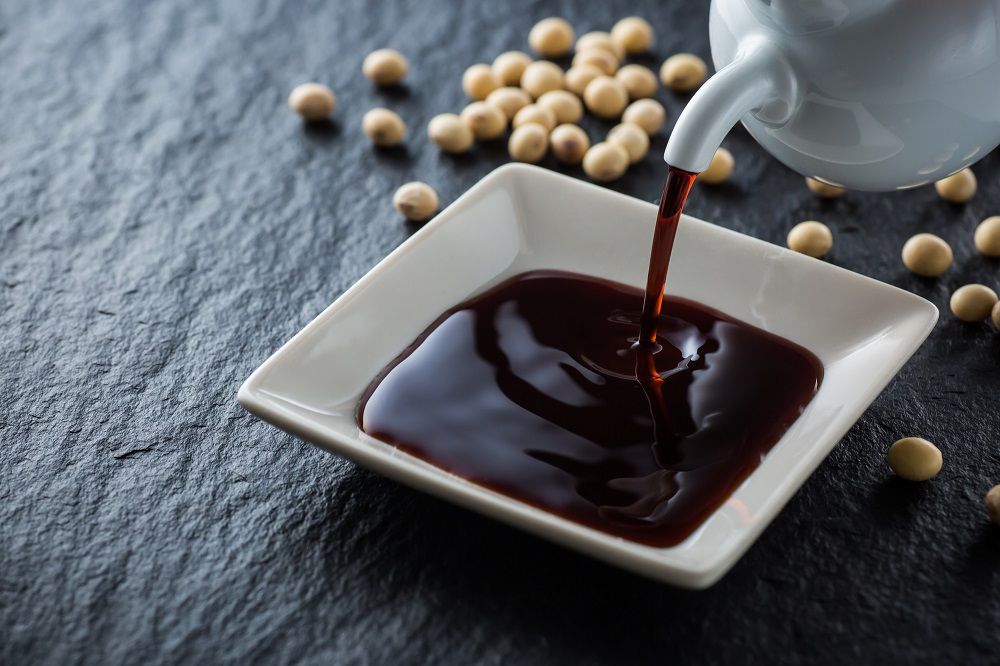
“Se” stands for Seuyu/Shoyu(醤 油)which means Japanese soy sauce. Shoyu is added at the end as its most susceptible to be affected by heat.
“So” Miso(味噌)

“So” stands for Miso (味噌)which means soybean paste. Miso is added at the end of cooking as a final touch, with the intention to enrich the taste of the cuisine. Besides “Sa Shi Su Se So”, Japanese people also often use “Sake” (酒) and “Mirin” (みりん)/Sweet Sake. Sake is usually added before sugar and mirin is added last. Most sauces use at least three of the above ingredients and there are many regional variations. So are you ready to try and cook some Japanese food?
A Scientific Art
We understand the “Sa Shi Su Se So” method is backed by molecular science, but to Japanese home cooks, it remains an intuitive way to layer flavors. By following this simple alphabet, you can turn a basic stir-fry or simmered dish (nimono) into a professional-level meal.