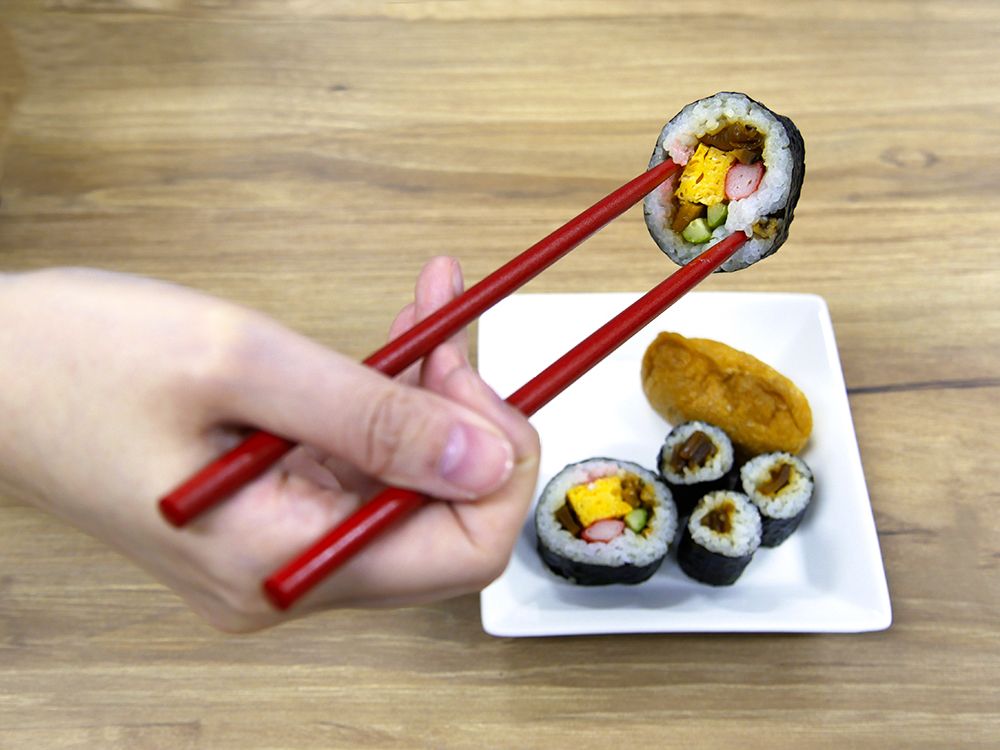
Chopsticks, or o-hashi in Japanese, hold a significant place at the dining table. An essential part of the culinary experience in Japan, chopsticks are remarkably versatile. With practice, you can easily pick up something as small as a pea or even a single grain of rice.
Most traditional Japanese restaurants do not provide spoons, forks, or knives. Unless you want to be the person carrying travel cutlery in your bag, we suggest practicing your technique! However, chopstick protocol varies across cultures. Even if you are experienced, what you consider “normal” might be a major faux pas in Japan. To ensure a smooth dining experience in Japan, here are the essential rules of chopstick etiquette.
THINGS YOU MUST NOT DO WITH YOUR CHOPSTICKS
Tate-bashi (standing)
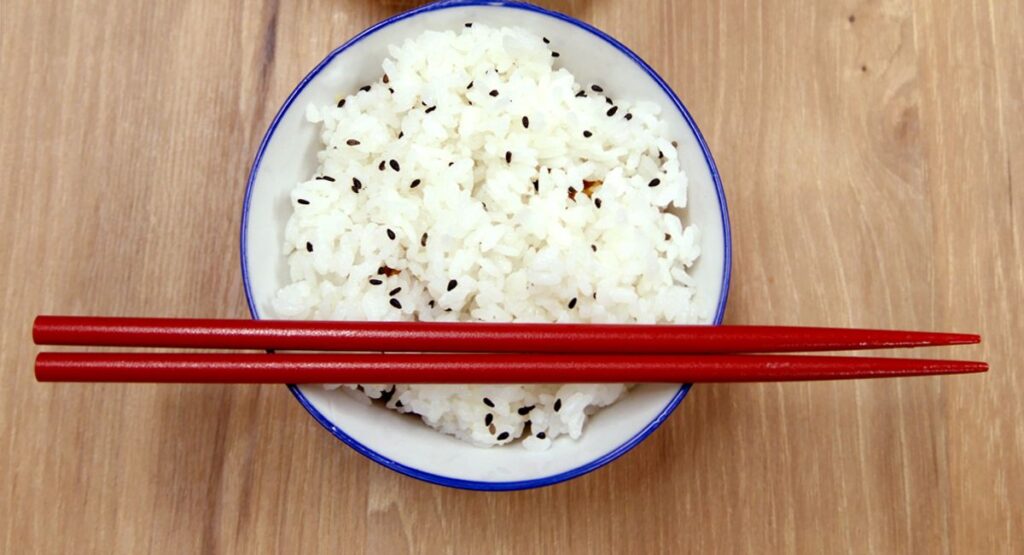
Sticking your chopsticks upright in a bowl of rice. This is considered a breach of etiquette in the gravest sense. In Japan, this is how food is offered to the soul of the deceased during funeral rituals. It resembles the incense sticks used in temple ceremonies and is deeply off-putting to your dining companions.

Sashi-bashi (stabbing)
Picking up food by skewering it with a chopstick. If you are used to forks, you may be tempted to do this. However, chopsticks are meant for gripping, not skewering. Stabbing your food is considered unappealing and risks breaking the food into unappetizing scraps.
Watashi-bashi (resting)
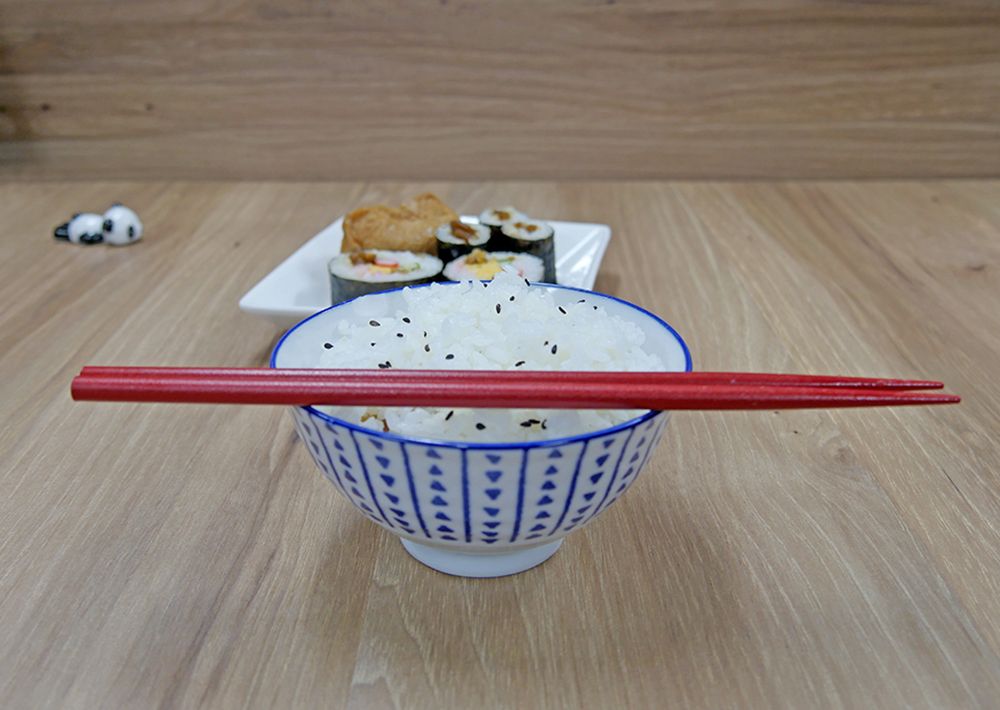
Placing your chopsticks across the top of your bowl. You should neatly place your chopsticks on the hashi-oki (chopstick rest). Placing them across the bowl often signals that you are finished with your meal; doing this while food remains can be seen as rude. If there is no rest, simply fold the hashi-bukuro (the paper chopstick sleeve) into a small tent to create your own.

See how to fold one!
Sashi-bashi* (pointing)
Using your chopsticks to point at someone or waving them in the air. Just as in many other cultures, pointing is bad manners. Waving your chopsticks while talking is equally frowned upon. In many surveys, this is consistently ranked as one of the most annoying habits by Japanese diners.

Yose-bashi (pulling)
Pulling bowls or plates toward you using your chopsticks. Never use your chopsticks to “hook” a dish and pull it closer. Always use your hands to move dishes, or politely ask someone to pass a plate to you.

Neburi-bashi (licking)
Licking or sucking on the tips of your chopsticks. Chopsticks are tools for holding food, not for being held in your mouth. Licking them to get a bit of sauce or stuck food is considered very poor form.

Utsuri-bashi or Watari-bashi (Indecisive picking)
Touching one piece of food and then moving to another. Think of this like “double-dipping.” Once you touch a piece of food with your chopsticks, you should take it. Don’t browse the communal plate with your tips.

Mayoi-bashi (hovering)
Wandering your chopsticks indecisively over various dishes. Mayoi means “to be lost.” Hovering over the table suggests greed or indecision. Make up your mind first, then move in one smooth motion to pick up your food.

Hiroi-bashi or Awase-bashi (passing)
Transferring food directly from your chopsticks to someone else’s. This is the most critical taboo. During Japanese funeral rituals, the bones of the deceased are passed from person to person using chopsticks. Doing this at a dinner table is a shocking reminder of death and should be avoided at all costs.

In 2026, many modern restaurants provide “disposable” chopsticks that are high-quality and eco-friendly. When you pull them apart, do so horizontally (over your lap) rather than vertically to avoid accidentally hitting someone or something on the table.