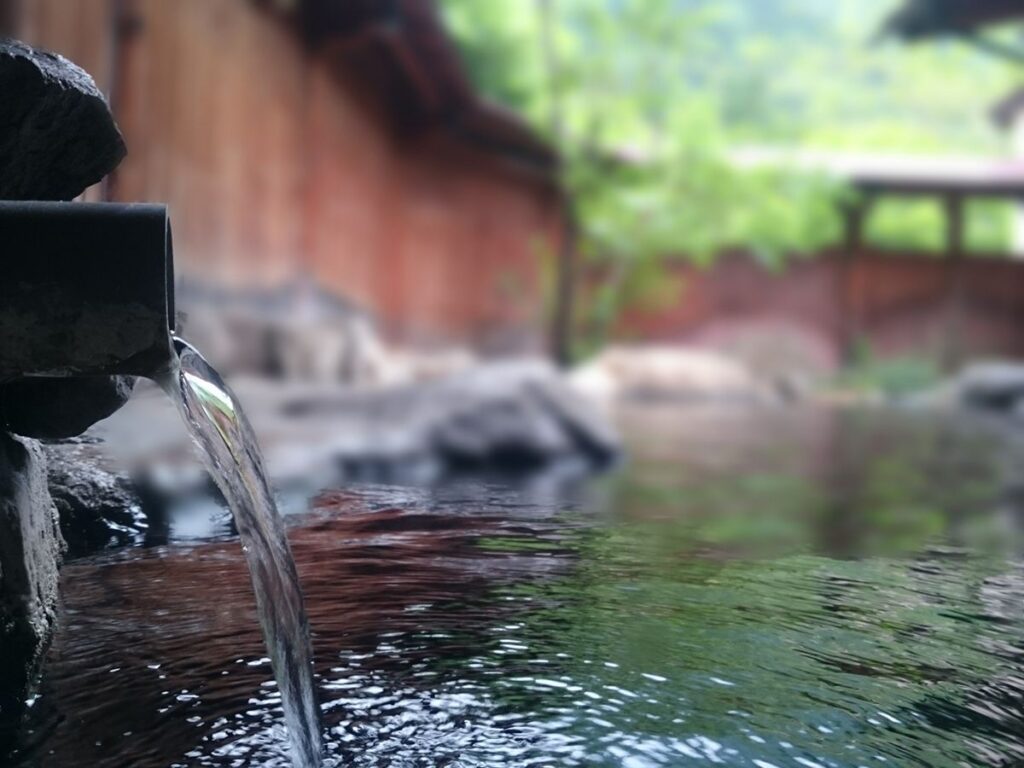
Japanese culture, with its global allure, draws countless international visitors each year. Among the myriad experiences, soaking in hot springs stands out as a quintessential activity eagerly sought after by those exploring Japan. Yet, immersing in an onsen is more than a leisurely dip; it’s an immersion into a deeply-rooted cultural practice. As we seek solace and rejuvenation in these thermal waters in 2026, it’s imperative to observe updated cultural etiquettes and norms. Let’s delve into the essential knowledge every traveler should arm themselves with before partaking in this revered Japanese tradition.
Navigating Onsen Etiquette with Confidence

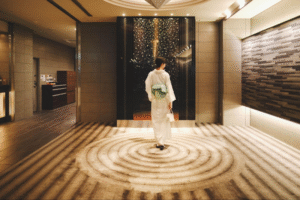
In Japan’s hot springs, embracing nudity is a fundamental aspect of the experience, distinct from the swimsuit culture of traditional pools. While this practice might be unfamiliar, it’s an opportunity to shed inhibitions and revel in a sense of liberation. Adhering to local customs by forgoing swimwear in the baths is the primary sign of respect. To ease the transition, many onsen resorts provide a yukata (light cotton kimono) or bathrobe, providing a comfortable way to move between changing areas and the baths.
Tattoos in Hot Springs: A Modern Shift
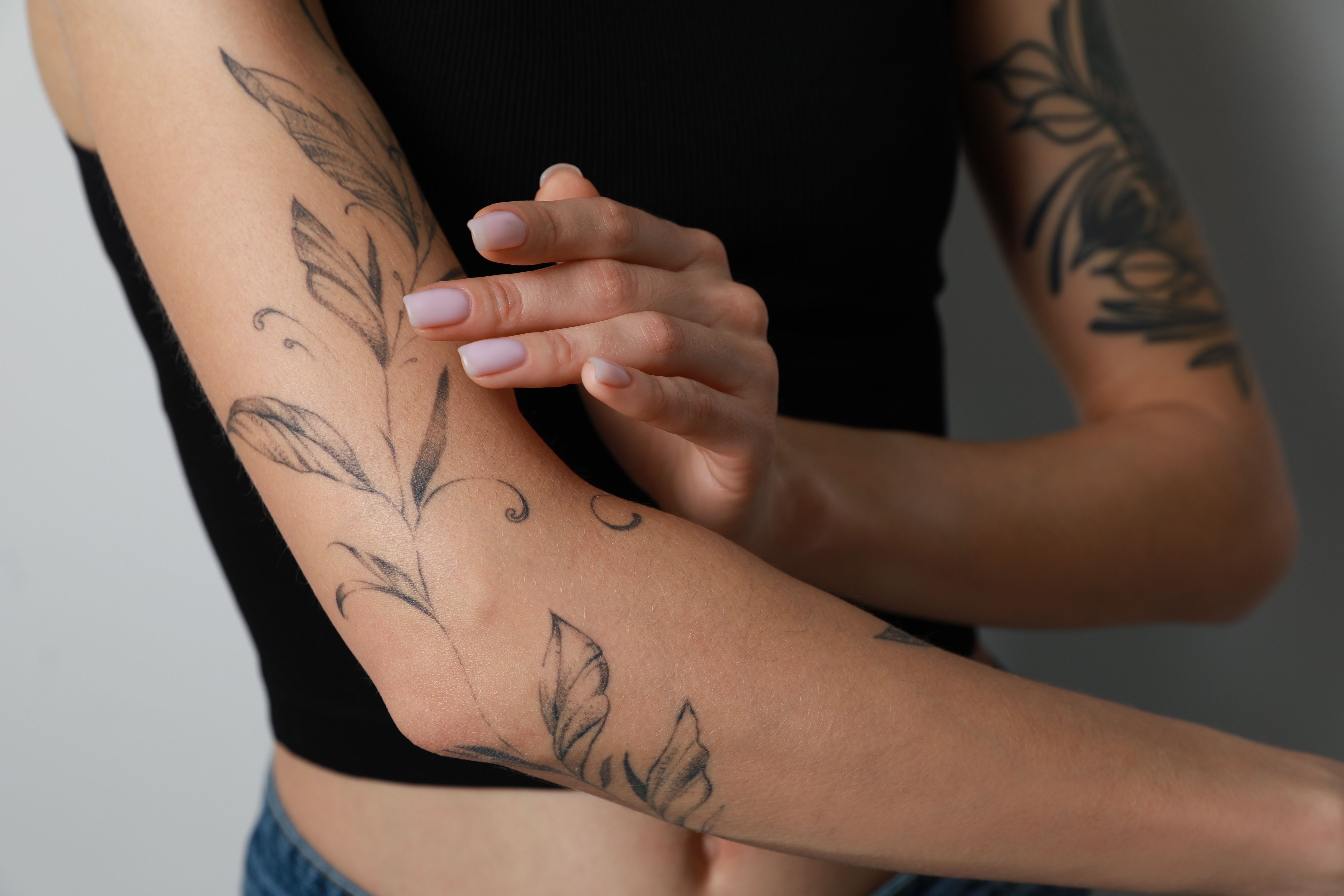
In the serene world of Japanese hot springs, tattoos historically carried a complex stigma. However, in 2026, the landscape is much more inclusive. Many famous onsen towns, such as Kinosaki Onsen and Dogo Onsen, now officially welcome tattooed guests at all public bathhouses. Many other resorts offer solutions like waterproof stickers or patches to cover smaller tattoos discreetly. If you have large-scale body art, it is wise to inquire ahead or book a private “Kashikiri” bath, which ensures you can immerse in the healing waters without worry.
The Art of Bathing: A Guide to Perfect Preparation

Embarking on the onsen journey isn’t merely about diving into the thermal waters; it’s about embracing an art form steeped in etiquette and preparation. Here’s how to refine your approach for an authentic and respectful hot spring experience:
・Pre-Bath Cleansing
Purity is paramount. Before entering the springs, use the provided showers to thoroughly cleanse your body. In modern facilities, sit on the provided stool while washing to avoid splashing fellow bathers.
・Towel Etiquette
Remember, hand towels should never touch the onsen water. Instead, rinse your towel, wring it out, and rest it on your head while bathing. This practice aids in temperature regulation and embodies respect for the communal bathing space.
・Hair Management
Keep your hair neatly tied up to prevent it from trailing in the water, ensuring both personal and communal hygiene, and showcasing consideration for fellow bathers.
・5-8-3 Soaking Method
Hot springs are a sanctuary, not a regular bath. Introduce your body to the mineral-rich waters gradually: start with a 5-minute soak, take a brief rest, continue with an 8-minute immersion, and conclude with a 3-minute dip. This method helps your body acclimate to the hot spring’s unique environment.
・Digital Detox
Mobile phones disrupt the serene ambiance of the onsen. Leave the digital realm behind to truly disconnect and immerse in the tranquility of the moment, respecting the privacy and peace of all guests.
・Silence is Golden
The onsen is a haven of quietude. Speak softly, if at all, and move gently between facilities. Such mindfulness ensures everyone can enjoy the therapeutic calmness of the hot springs, embodying a deep respect for shared spaces.
By adhering to these guidelines, you’ll not only enrich your own onsen experience but also honor the cultural heritage that makes Japanese hot springs a deeply rejuvenating and respectful practice.
Tips for a Safe Experience
・Stay Hydrated and Avoid Being on an Empty Stomach

Post-soak, ease into standing to prevent dizziness—a common side effect of the sudden shift after relaxing in warm waters. Hot springs encourage sweating, a natural yet dehydrating process. Fortunately, drinking water is readily available in public areas, serving as a gentle reminder to stay hydrated throughout your visit.
Equally important is the timing of your meal before entering the hot spring. Bathing on an empty stomach can lead to discomfort or even anemia, while soaking too soon after eating may cause unease. Opt for a light snack or meal, ideally consumed 30 minutes to an hour before your bath, to maintain comfort and enhance your experience.
・Avoid Hot Springs After Alcohol: A Safety Reminder
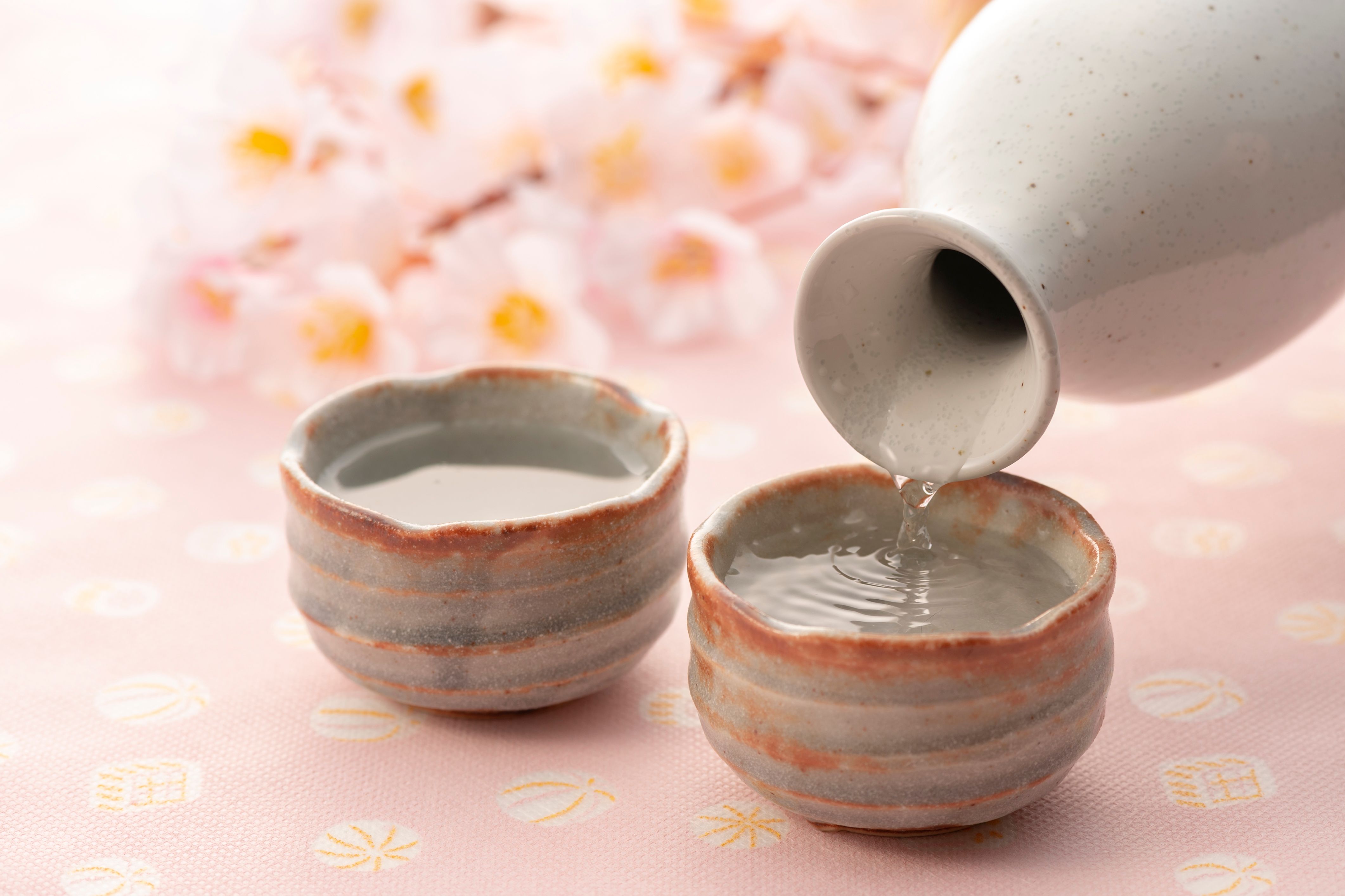
While the image of sipping sake in an open-air bath might seem quintessentially Japanese, thanks to dramas and travel posters, there’s a crucial health consideration behind the scenes. Hot springs and alcohol share a delicate relationship, deeply rooted in both culture and health consciousness.
Directly soaking in hot springs after consuming alcohol is generally discouraged, not solely due to resort policies but for significant health reasons. Hot springs naturally affect your blood pressure and cardiovascular system. Alcohol, on the other hand, accelerates blood circulation, posing potential health risks when combined with the thermal effects of the bath. It’s wise to either moderate your alcohol intake or allow ample time for your body to process the alcohol before indulging in a hot spring bath. This approach ensures a safe and enjoyable onsen experience, aligning with both cultural respect and personal well-being.
An onsen visit is more than relaxation; it’s a chance to immerse in Japanese culture. Embrace local etiquette—cleanse before entering, stay quiet, and respect privacy—to deeply connect with tradition. Following these practices ensures an authentic experience, blending enjoyment with cultural appreciation.