Have you ever tried Japanese drinks? With the global “washoku” (Japanese food) boom, beverages like nihonshu (sake), shochu, and awamori have soared in popularity. If you’ve always wanted to try these authentic spirits but weren’t sure where to start, you’re in luck!
For travelers in 2026, Japan continues its warm hospitality by offering unique tasting opportunities directly at its international gateways.
Try Sake, Shochu & Awamori at airports in Japan

Various campaigns are often held at Japan’s major airports—Narita (NRT), Haneda (HND), and Chubu Centrair (NGO)—to promote the rich culture of Japanese spirits to international visitors.
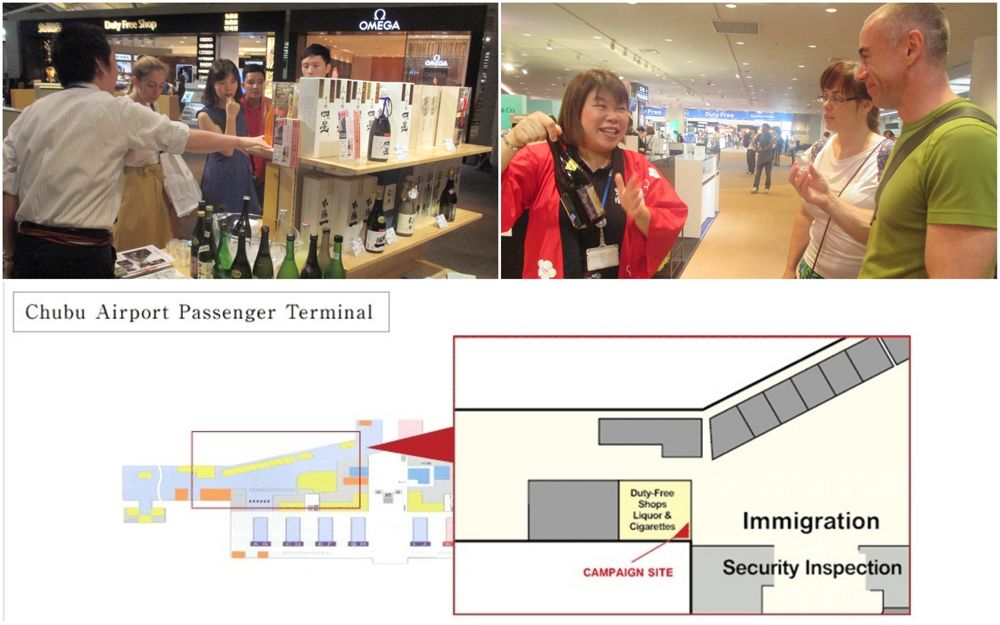
Chubu Central International Airport
Tastings are frequently held on the 3rd floor Passenger Terminal (after passport control) during peak travel seasons.
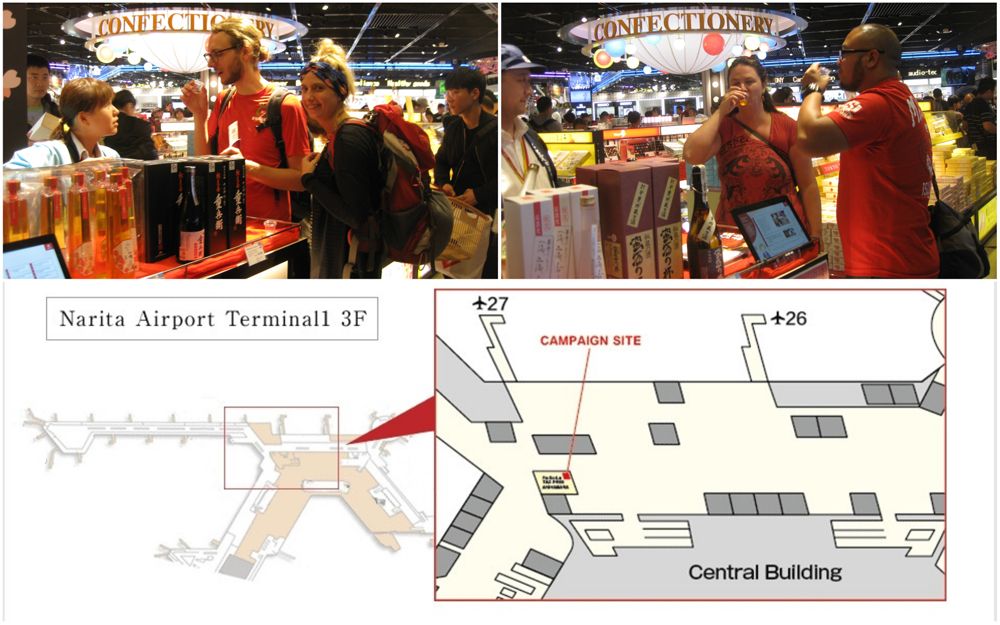
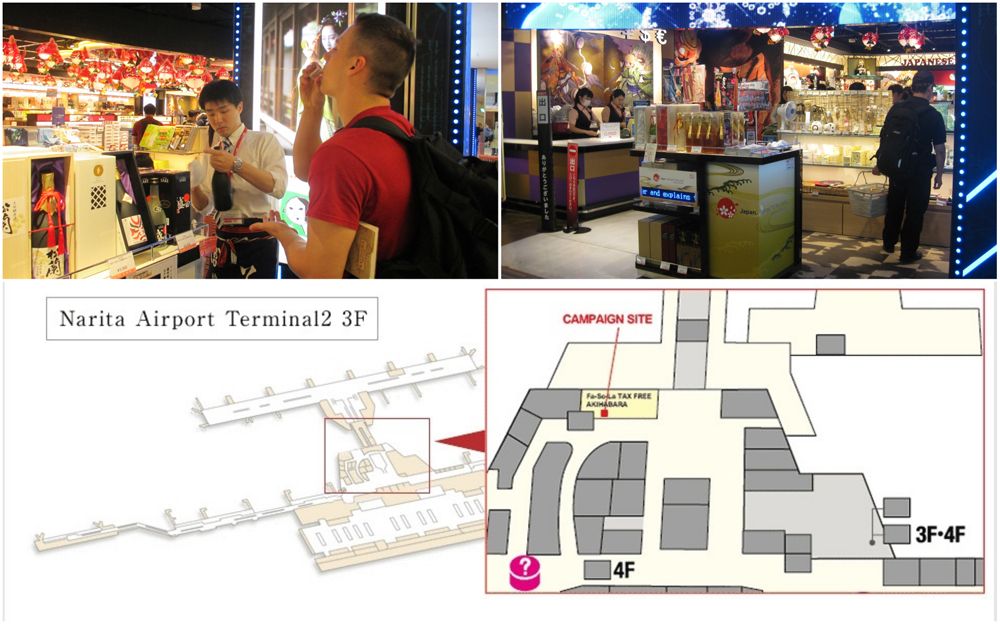
Narita Airport
Check the Fa-So-La TAX FREE AKIHABARA areas. Campaigns often run on weekends (Friday–Sunday), typically between 8:30 and 18:00.
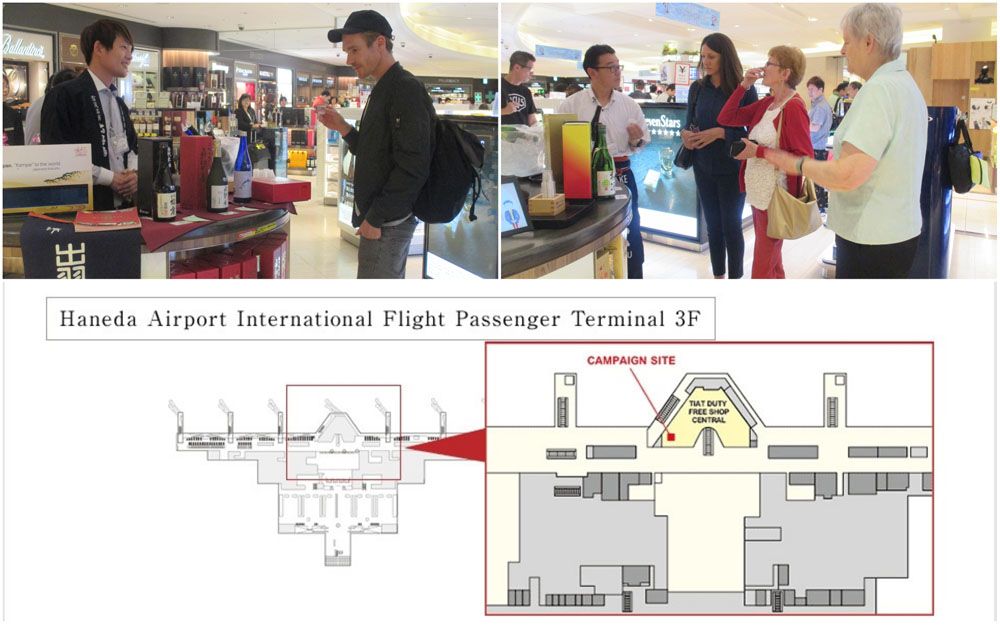
Haneda Airport
Look for the “TIAT Duty Free” and specialty promotional booths. In late 2025 and early 2026, Haneda has been hosting cultural promotion events, such as the Wakuroba sake showcase in Terminal 2.
Travel Tip for 2026: AirJapan is also running a “Sake & Wine Tasting Event” onboard flights from Narita to Bangkok and Singapore throughout January 2026, celebrating the “Shiboritate” (freshly pressed) sake season!
Types of Japanese drinks
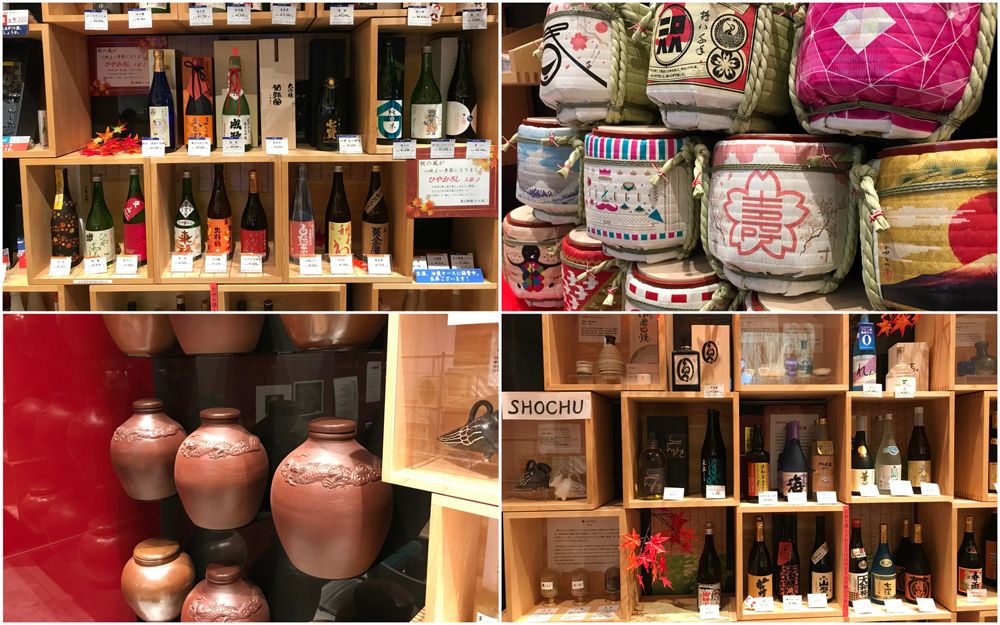
There are generally three types of alcoholic beverages in Japan: sake, shochu, and awamori. Do you know the differences between them? People from abroad often think they are very similar but actually they are different in many ways. Simply, while sake is fermented, shochu and awamori is distilled. Let’s check our the other differences that make these drinks unique.
Nihonshu (sake)

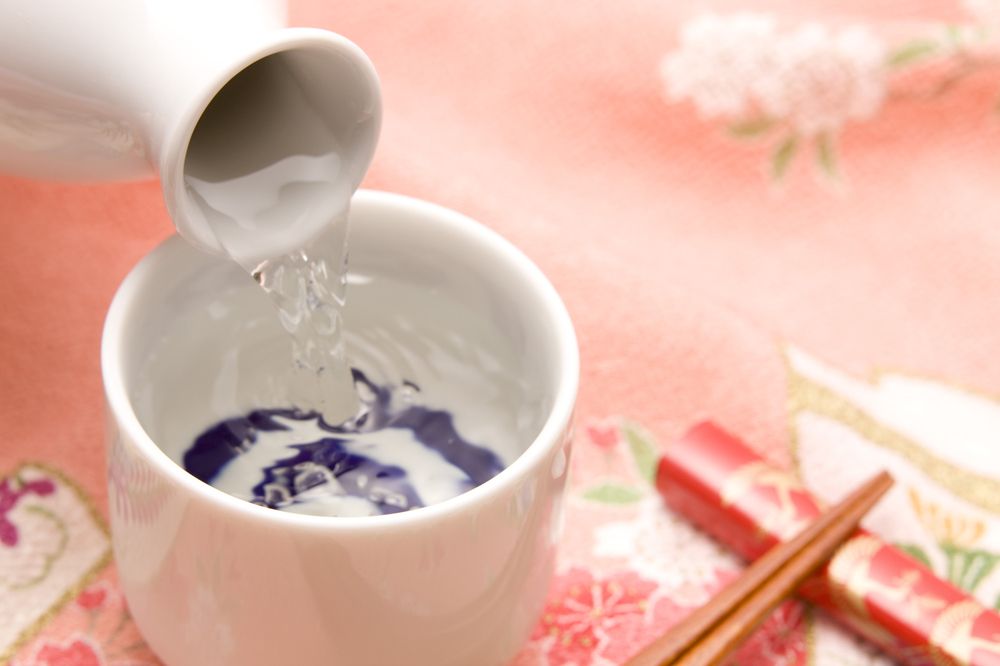
Let’s start from nihonshu, popularly known as “sake.” Depending on how much the rice grain is polished, the type of sake varies. Sake made from rice, water, koji (mold for fermentation) is called Junmai-shu, literally “pure rice wine.” Sake made from rice that is polished to about 30%, water, koji, and a small amount of distilled alcohol is called Honjozo-shu; this sake is more aromatic and has luster. Among Honjozo-shu, sake made using rice polished to at least 40% is called Ginjo-shu.
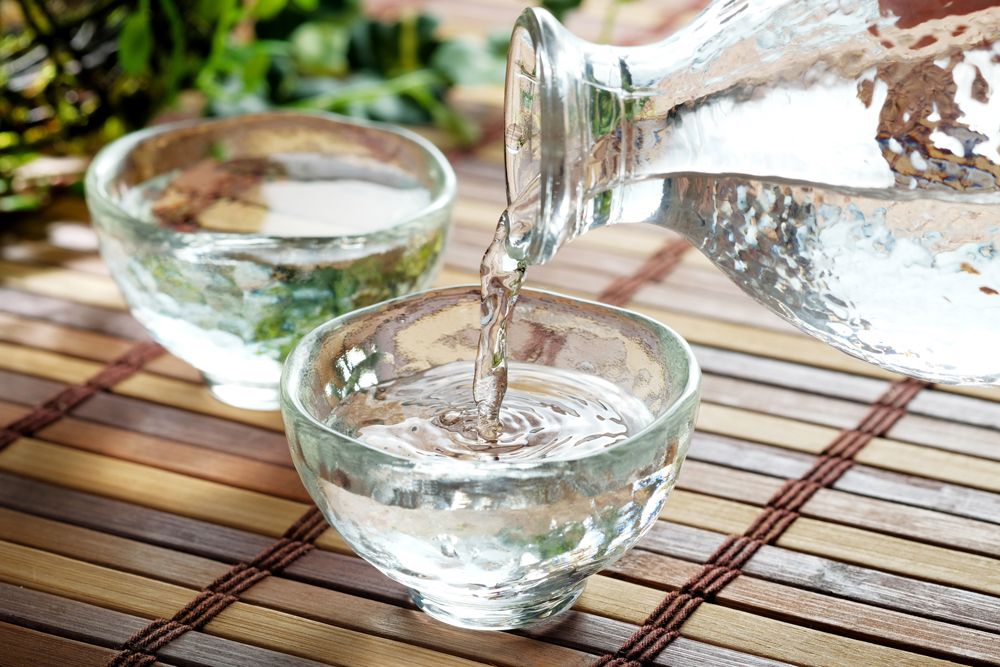
The alcohol content of sake is generally at 15 -16%. People usually prefer to drink it straight. You can enjoy sake either at room temperature, chilled, or warm in the cold winter months.

In Japanese, there is a phrase “sake-no-sakana” meaning snacks that go along with sake.
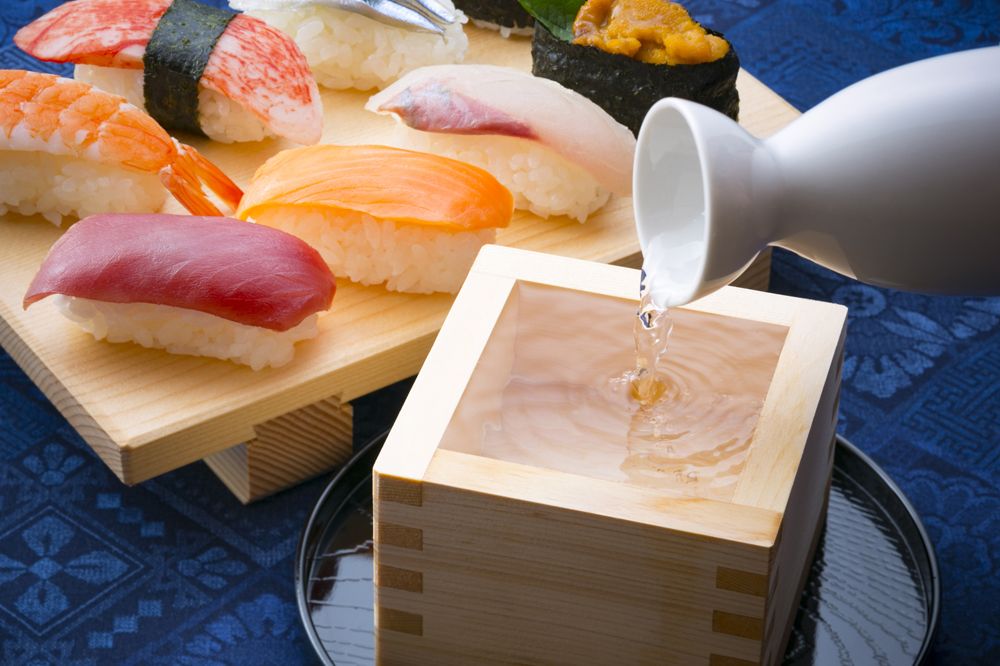
Since there are a variety of aromas and flavors depending on the type of sake such as dry and sweet, it might be interesting to find food pairings that will go well with your favorite sake.
Shochu and Awamori
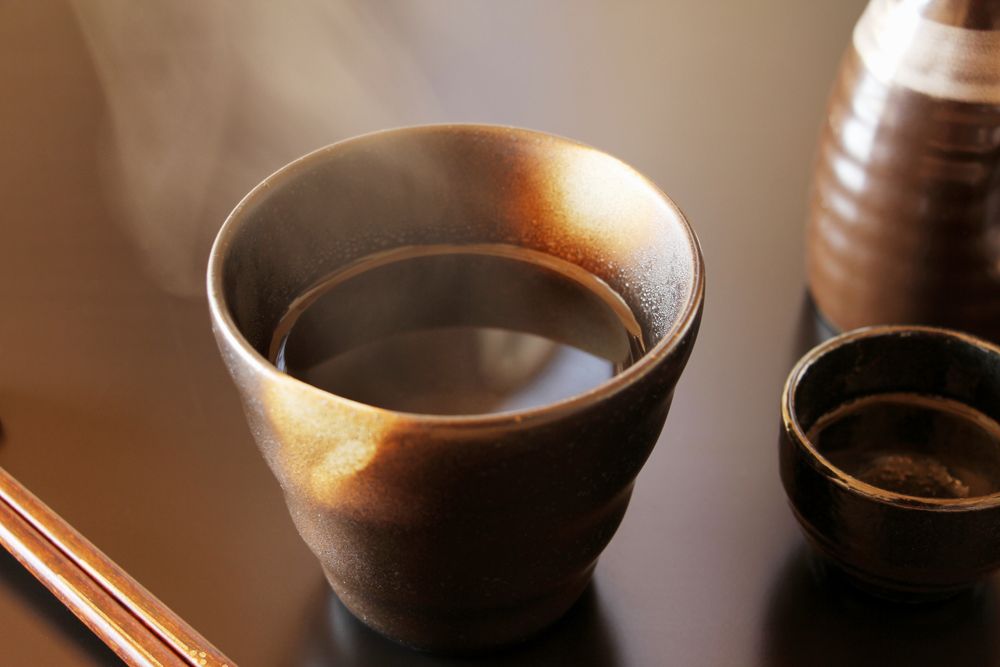
Next, let’s talk about shochu and awamori. Commonly made from rice, potatoes, barley, brown sugar, or buckwheat, each producing region uses different ingredients so that the flavor of each shochu is considerably different. In addition, shochu has an average alcohol content of around 25%. It’s usually mixed with cold or warm water or soda when drinking.

One of the features of shochu and awamori is that they are good for health! They contain no sugar and no purine body. Furthermore, these are said to smoothen blood flow by keeping it thinner. Both shochu and awamori, not only go well with traditional Japanese cuisine but also with international cuisines including Chinese and French. You can fully enjoy shochu and awamori over meals no matter where you are.
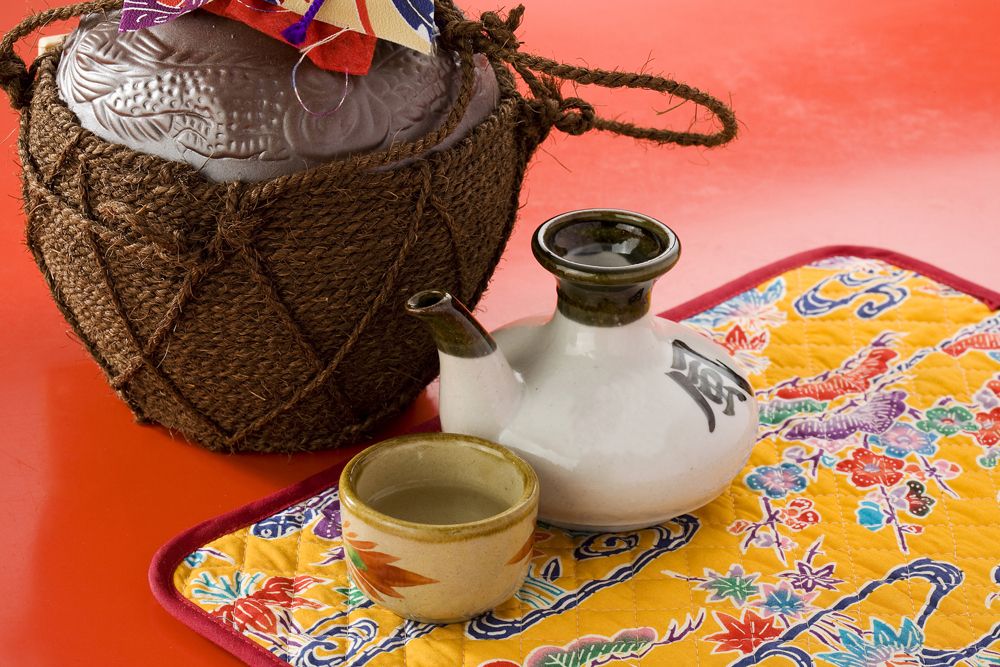
Awamori is a distilled spirit from Okinawa that is made from rice. It usually has a high alcohol content. You can drink it straight or mix with cold or hot water.
Different from Korean Soju

Many people think Japanese shochu and awamori are the same as Korean soju. This is a big mistake. Shochu and awamori are typically made from rice, barley or potatoes, fermented using koji, and then distilled once in a pot still. Therefore, you can catch a whiff of the rich flavor of the ingredients. On the other hand, soju is made from molasses and other ingredients, is distilled several times in a column still and has an added sweetener. Thus, the ingredients and preparation methods between shochu/awamori and soju are quite different.
Visit Breweries and Distilleries
If a quick sip at the airport isn’t enough, Sake Tourism is booming in 2026! Many traditional breweries (sakagura) now offer English-guided tours and tasting rooms.

Sake Tourism is recommended for those who want to know more about the making process of sake, shochu and awamori, and especially, those of you who want to see these processes for real! The best way to know about Japanese drinks is to visit the places where these are made and directly meet their producers. Why don’t you stroll around the birthplace of your choice of sake and enjoy the local cuisine and traditional cultural activities? You can easily search for breweries and visit one at a time that suits you! Sake Tourism is a great way to get in-depth knowledge of this important aspect of Japanese culture.

A Perfect Souvenir
Whether you enjoy your sake chilled in the summer or “Atsukan” (warm) in the winter, these drinks are a window into the soul of Japanese craftsmanship. Grabbing a bottle at the airport is easy, and in 2026, most duty-free shops like Bic Camera even offer additional 3% discounts on sake for international travelers!