
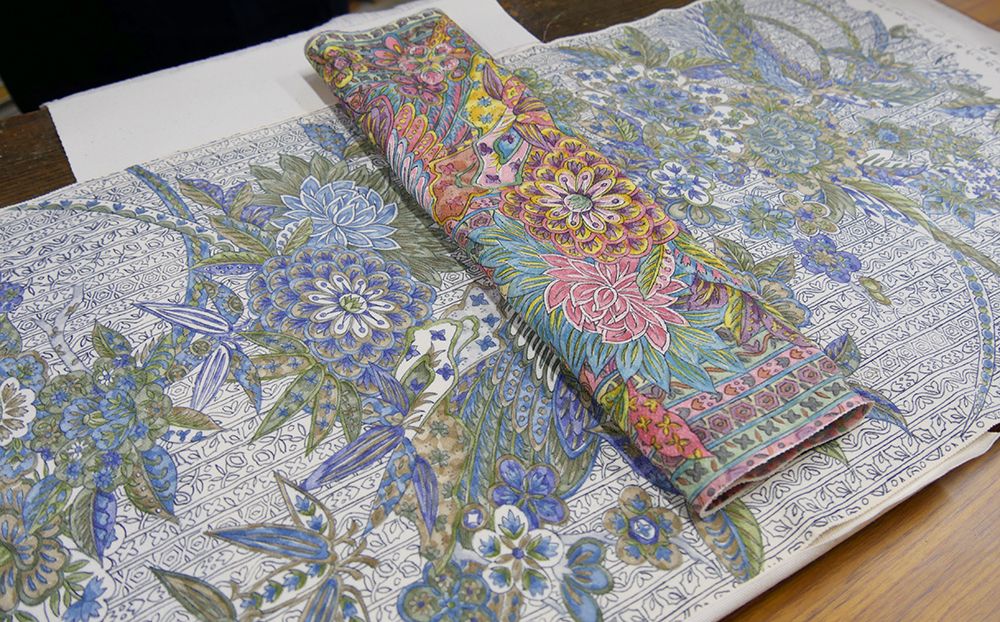
Sarasa is a traditional textile art that is said to have originated in India and arrived in Japan during the Muromachi Period (1336–1573). However, it was only during the Edo Period (1603–1868) that the art form truly flourished in Japan, as artisans began using pigments of vivid colors to create the intricate, exotic patterns now known as Edo Sarasa.
The Intricate Stencil Process
Unlike other dyeing methods that use a single stencil, Edo Sarasa involves a painstaking process of layering multiple stencils to build a design.
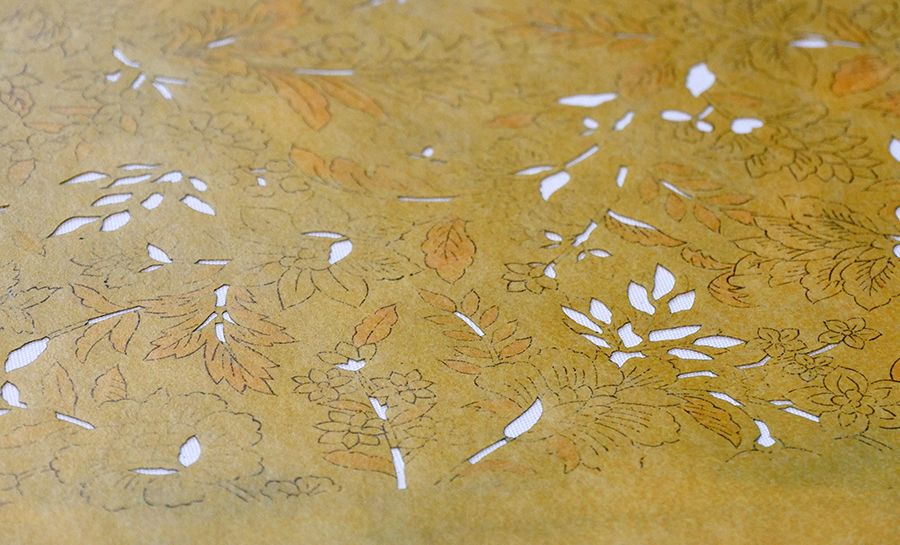
Each color you wish to add to a pattern requires a new stencil pattern.
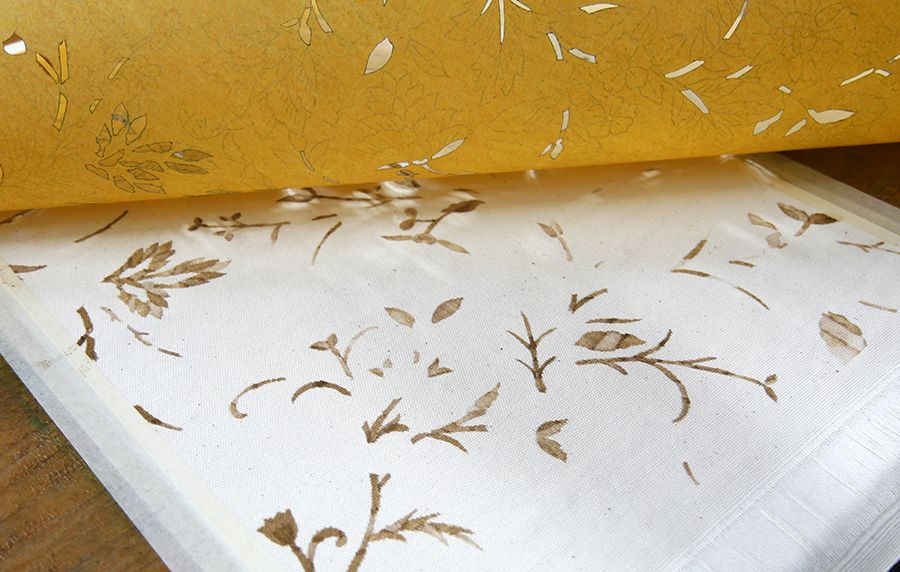
The artisan places the stencils in a particular order and applies dyes meticulously. As you continue replacing the stencils, a colorful pattern emerges. Sometimes designs can be so complex that you can have over 40-50 stencils.
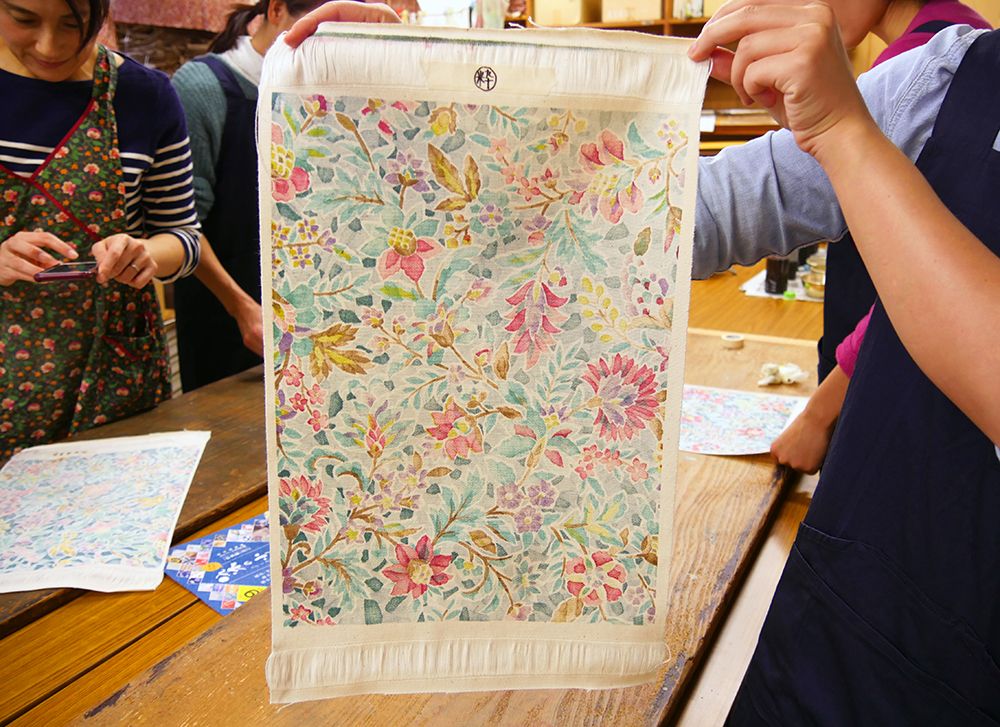
For a detailed process, check the video below where we participated in a workshop at Futaba-en in Shinjuku to make a table mat.
The final product at the end of two hours.
Workshops and Experiences
If you are visiting Tokyo, you can immerse yourself in this history at Some-no-Sato Futaba-en in Shinjuku. This workshop has been a pioneer in preserving dyeing traditions since 1920.
- Hands-on Crafting: You can participate in workshops to make your own items, such as a table mat or a scarf.
- Duration & Cost: Most workshops take about 1.5 to 2 hours. As of 2025–2026, prices typically range from ¥2,000 to ¥10,000 depending on the item (a table mat is approximately ¥2,600).
- Souvenirs: After your session, you can browse their shop for Sarasa-themed items that are both beautiful and functional.
Sarasa Items You Can Buy
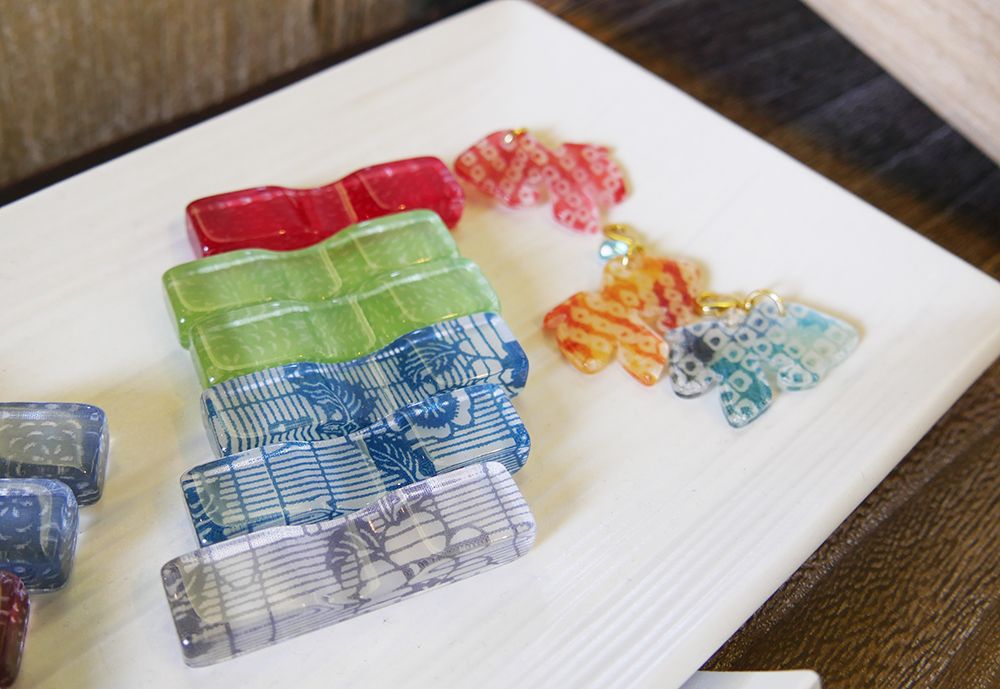
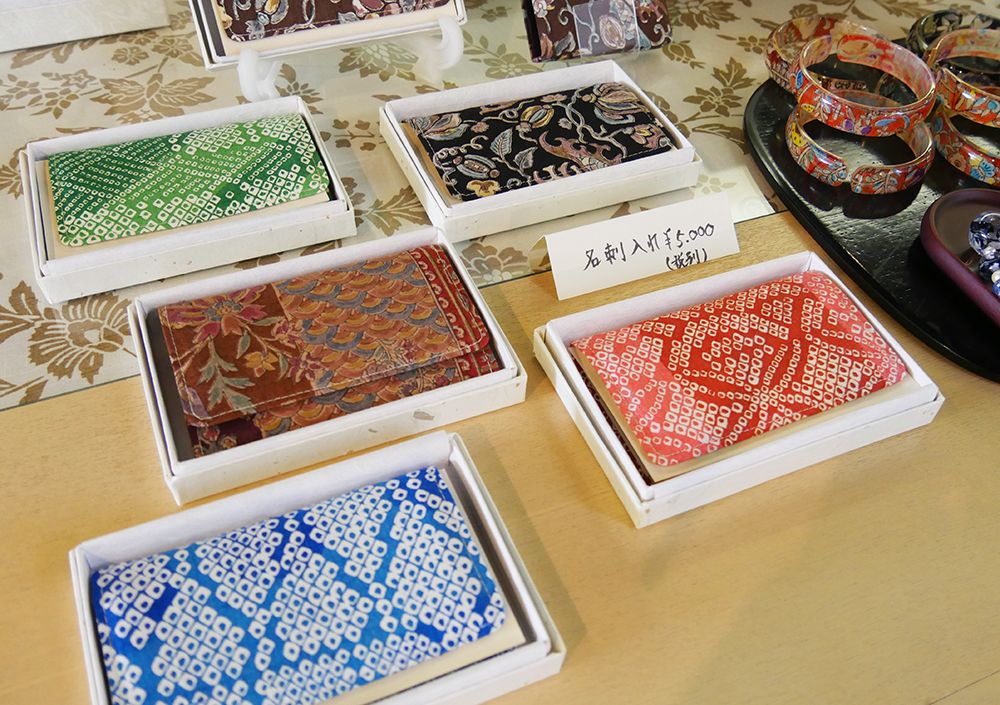
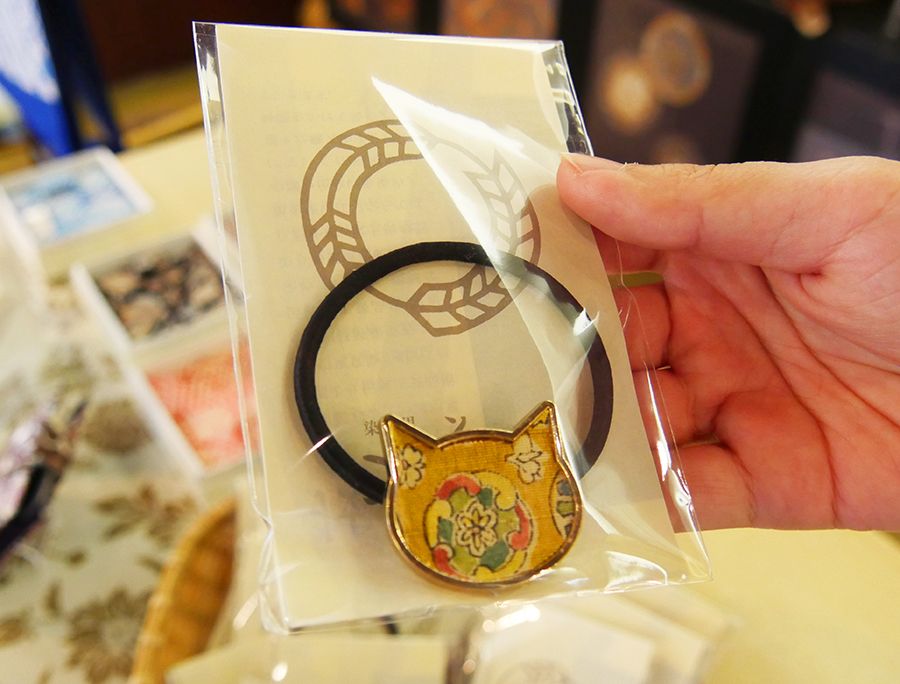
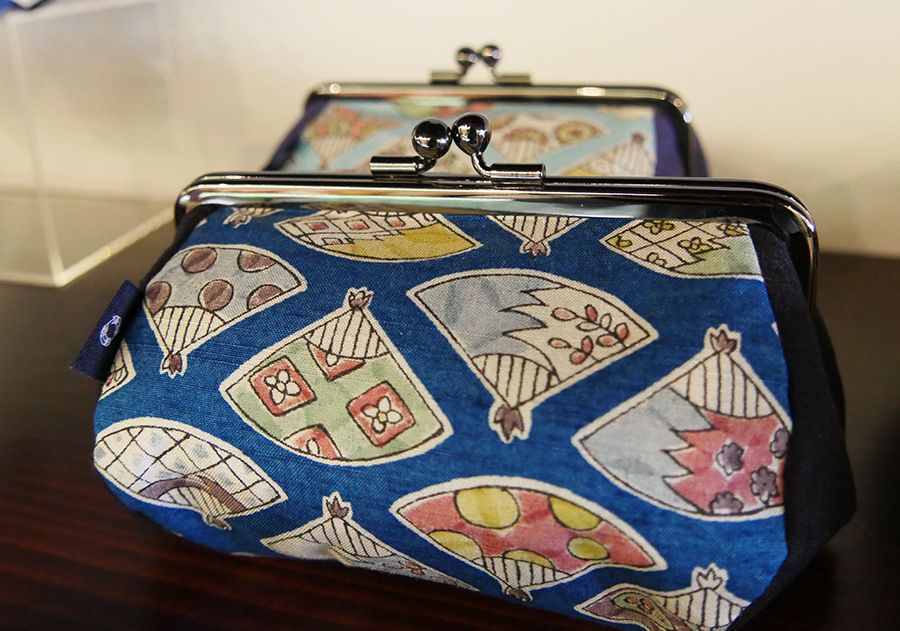
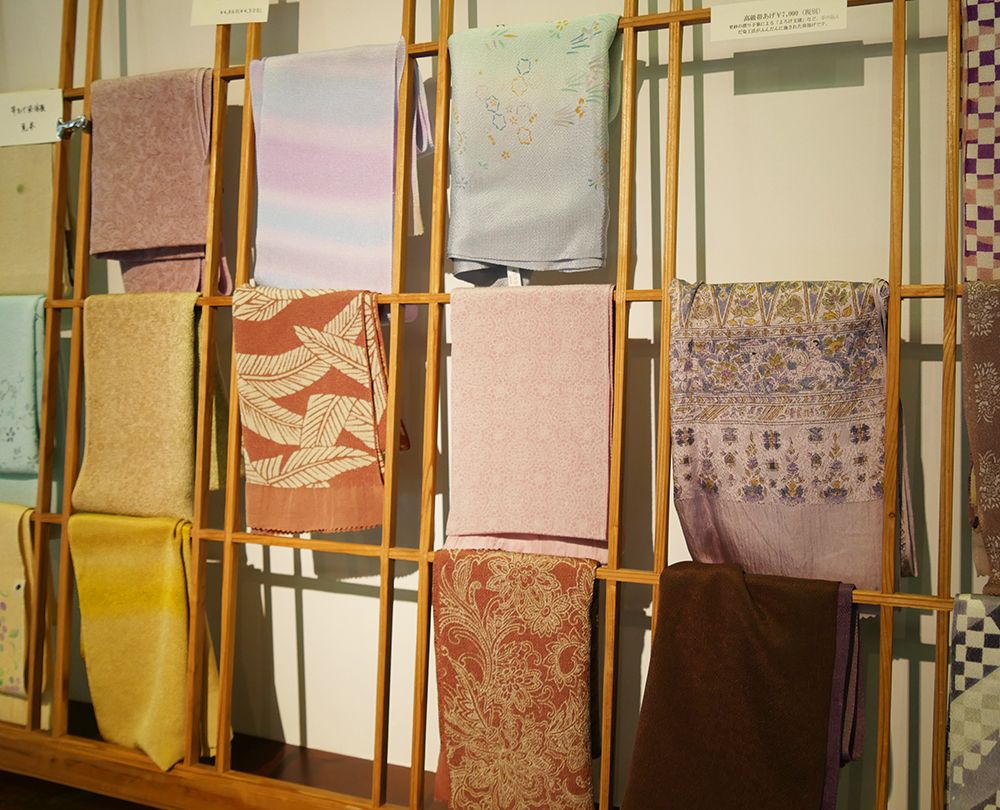
Historically, Sarasa was used primarily for high-end kimono fabric. Today, you can find more affordable and modern applications of the art here.
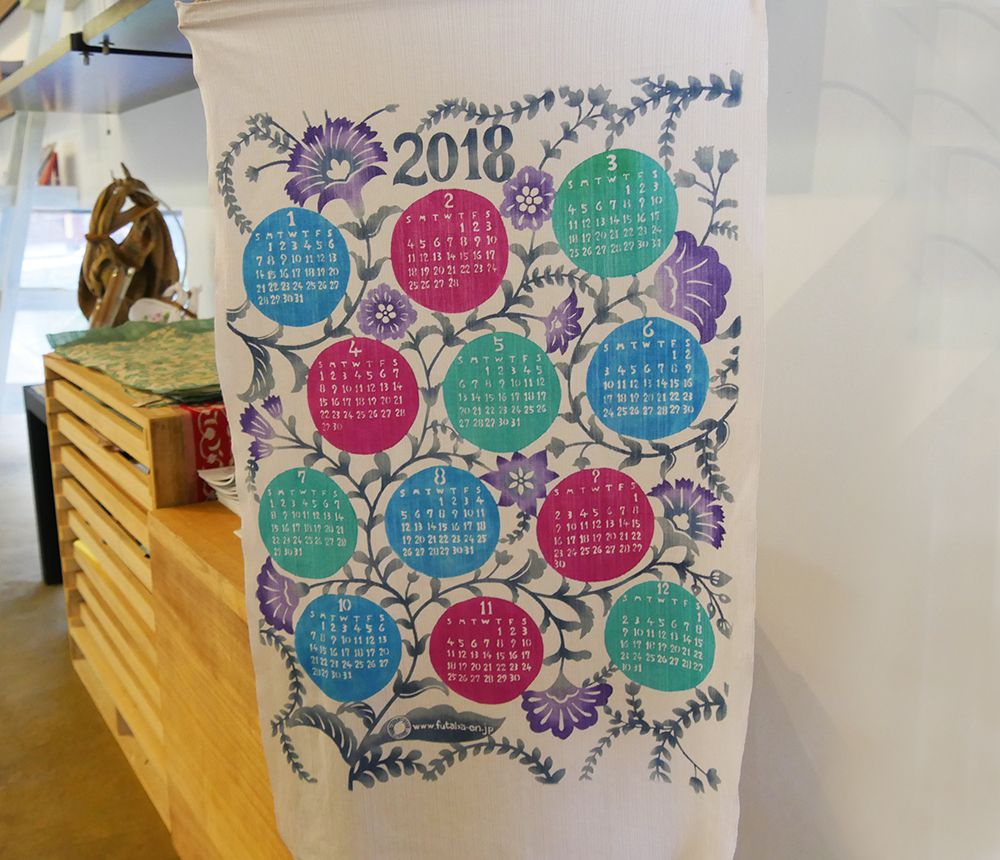
Calendars
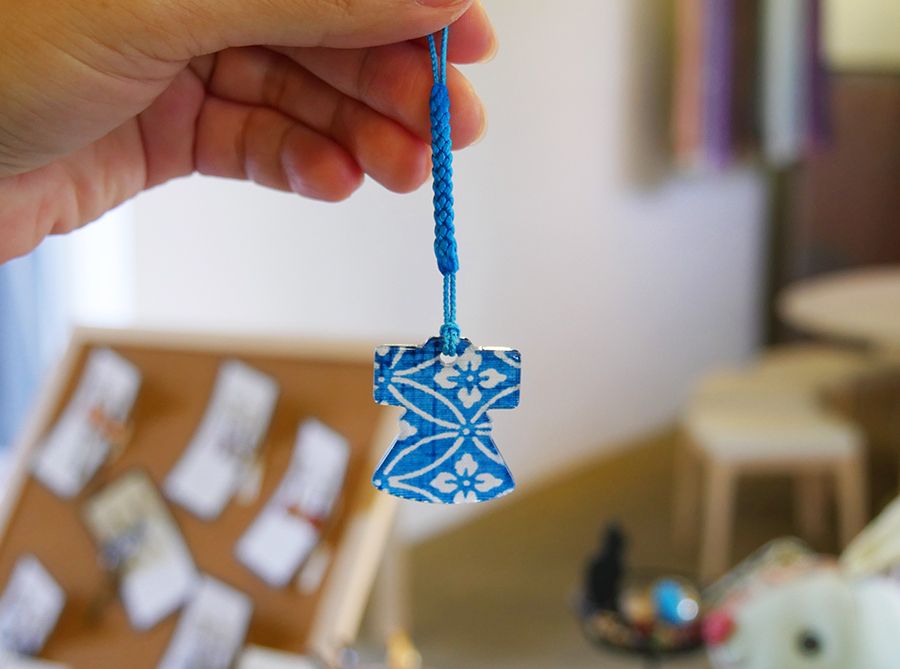
Straps for phones or bags
Chopstick rests
Visiting Card Holders
Hair tie
Pouches
Stoles
Some-no-Sato Futaba-en
Address: 2-3-6 Kamiochiai, Shinjuku-ku, Tokyo
Access: 5-minute walk from Nakai Station (Seibu Shinjuku Line or Toei Oedo Line).
Opening Hours: 11:00 – 17:00 (Closed Mondays)
Create Your Own Masterpiece
Edo Sarasa is a beautiful bridge between Indian origins and Japanese refinement. Spending an afternoon at Futaba-en is a fantastic way to create a one-of-a-kind souvenir while supporting a traditional craft that has survived for centuries.