
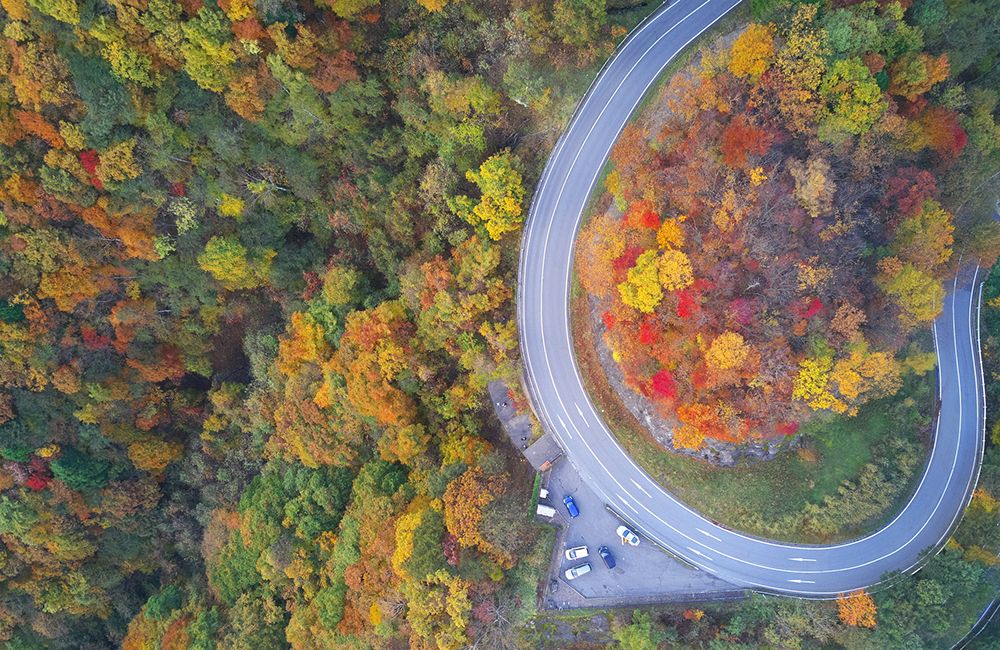
Irohazaka are a pair of two winding routes in Nikko, Tochigi. Zaka (or saka) means slope in Japanese and Iroha refers to the first three letters of the old Japanese alphabet. Now why would a slope be called Iroha? Combined the two roads have 48 hairpin bends – 48 being the number of Japanese alphabets. Each turn is labeled with one of the 48 alphabets.
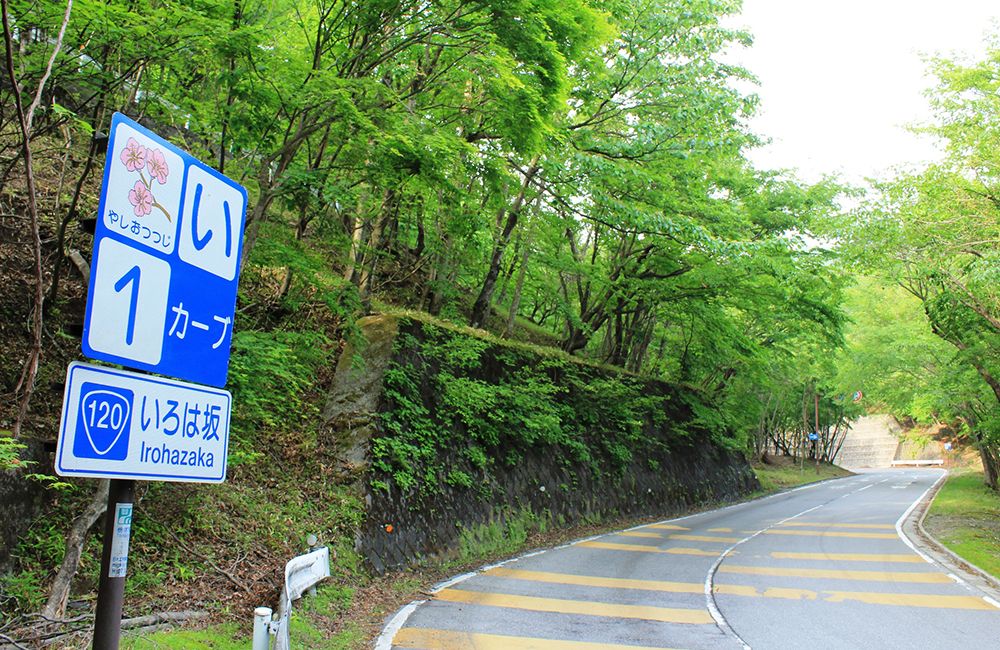
The roads were first built in 1954 and 1965 and have been modernized and made wider but the number of hairpin turns remains the same. The roads are important as the only connecting route from Nikko to Oku-nikko.
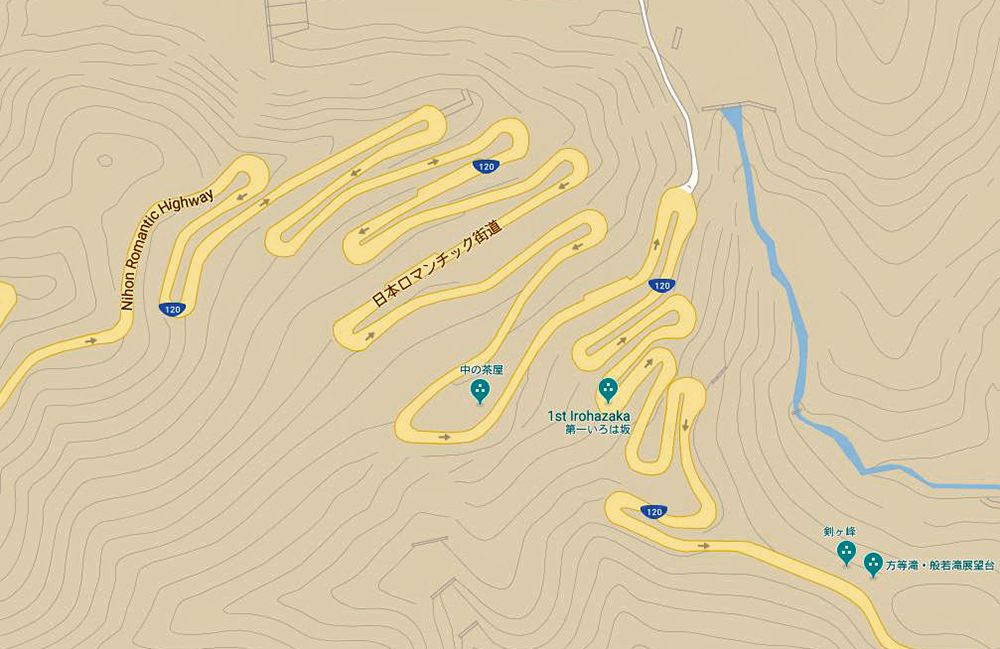
(Photo source: Google Maps)
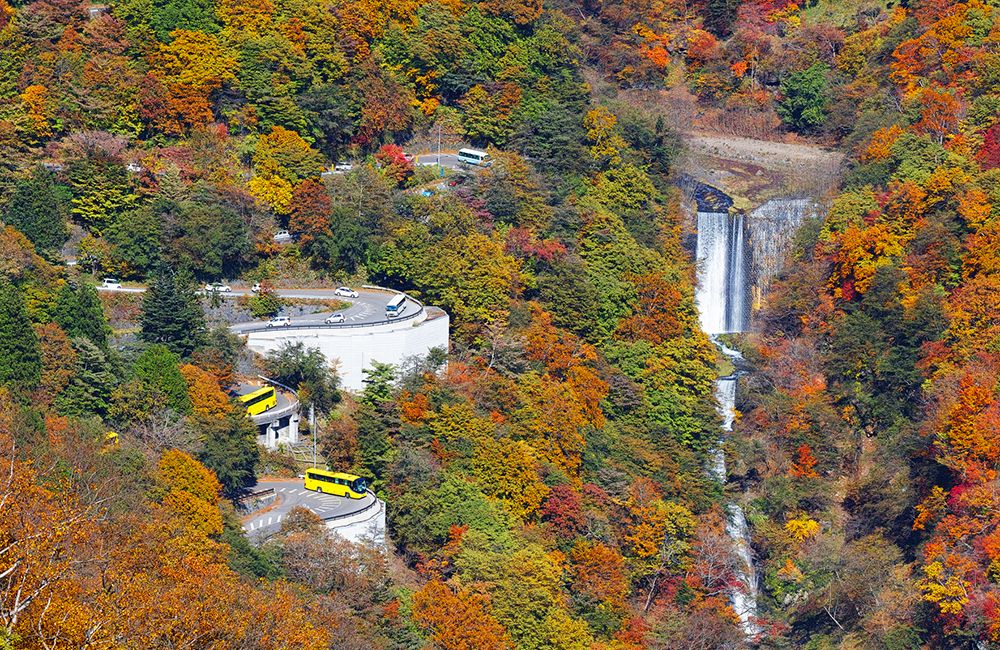
The downslope (1st Irohazaka), which has 28 curves, includes a pit stop to see two waterfalls. The upslope (2nd Irohazaka), which has 20 curves, has the Akechidaira Plateau at the top which offers spectacular views of the valley.
Note for 2026: The Akechidaira Ropeway is temporarily suspended for renovation from January 16, 2026, to August 31, 2027.
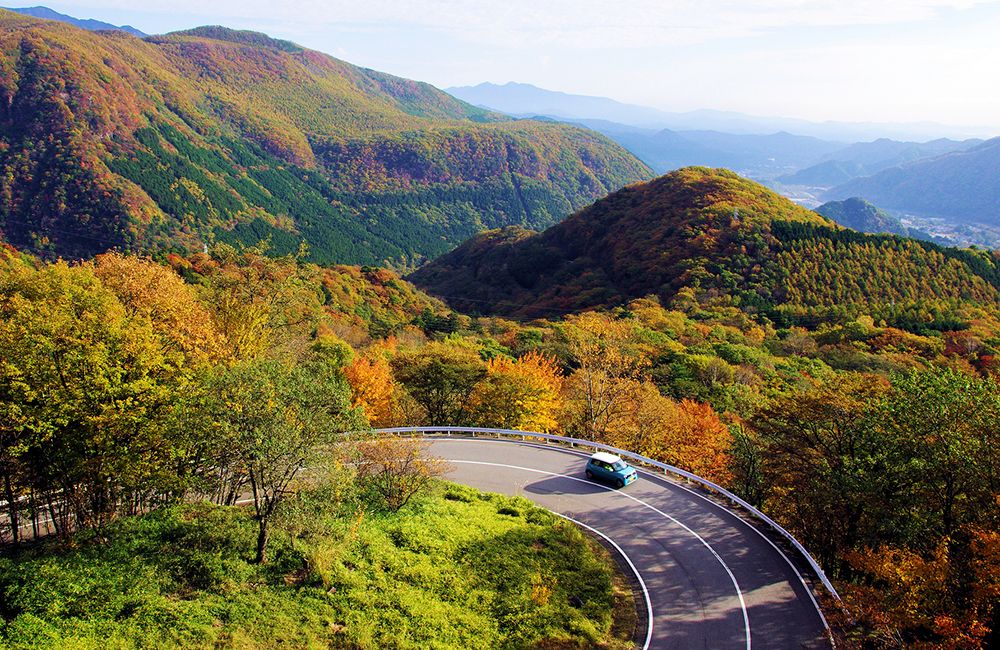
During this time, the observation deck at the very top is inaccessible. However, the Akechidaira parking area remains open, and you can still see Mount Nantai and the surrounding valley from the plateau level!
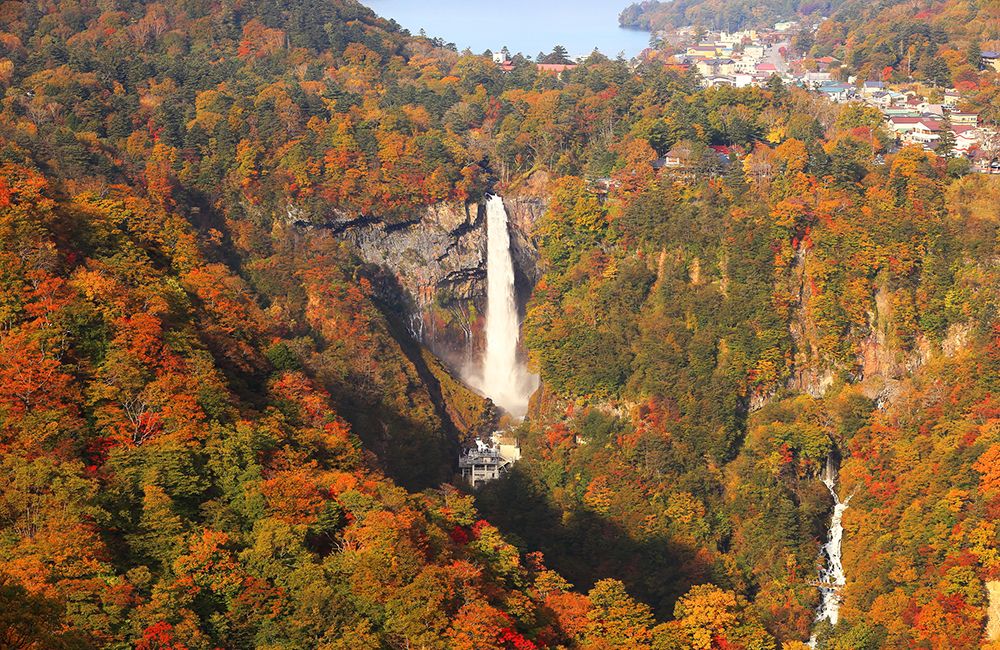
For those looking for a high-altitude panoramic view during the renovation, the Hangetsusan Observation Deck is the best alternative. It offers a stunning vista of Lake Chuzenji and Kegon Falls from a different angle.
From here, you can see Mount Nantai, Lake Chuzenji, and Kegon Falls. This is the best spot to be dazzled by the gorgeous beauty of nature; in summer, the trees are lush green, while in winter, you see a snowy landscape. The most popular time to visit the Irohazaka is in autumn when the foliage starts changing color. Nikko, since it is on a higher altitude than the surrounding areas, is colored in warm hues from mid-October to early November.
The Nikko and Oku-nikko area are covered in kaede (maple), nanakamado (mountain ash or checker tree), tsutsuji (azalea) among others.
Usually driving on any one of the slopes takes about 20-30 minutes but in autumn, it can even take up to 3 – 4 hours on weekends. In 2026, we highly recommend visiting during the week or taking the earliest bus (around 7:00 AM) to avoid the heavy seasonal crowds!

Access: Bus from JR Nikko Station or Tobu Nikko Station up to Akechidaira (40 min). In 2026, most travelers use the Digital NIKKO PASS All Area (approx. 8,000 yen), which can be easily displayed on your smartphone. While you’re in Nikko, don’t forget to check out the UNESCO Heritage Sites of Nikko like Toshogu and Futarasan. An easy day trip from Tokyo that is a must-visit in autumn!