
The Junihitoe (十二単) is one of the most elegant and complex garments in Japanese history. While the standard kimono is a common sight, travelers rarely get a chance to see this “twelve-layered robe” in person.
This traditional attire first appeared during the Heian period (794–1185). In 2026, it remains a highly exclusive garment, worn only by the Imperial Family for the most prestigious ceremonial occasions, such as royal weddings and the Imperial Enthronement.
A glimpse of this elegant Japanese attire
If you look at the characters 十二単, juni means “twelve” and hitoe means “unlined” or “single-layer robe.” Essentially, the Junihitoe consists of twelve single-layered robes worn one over the other.
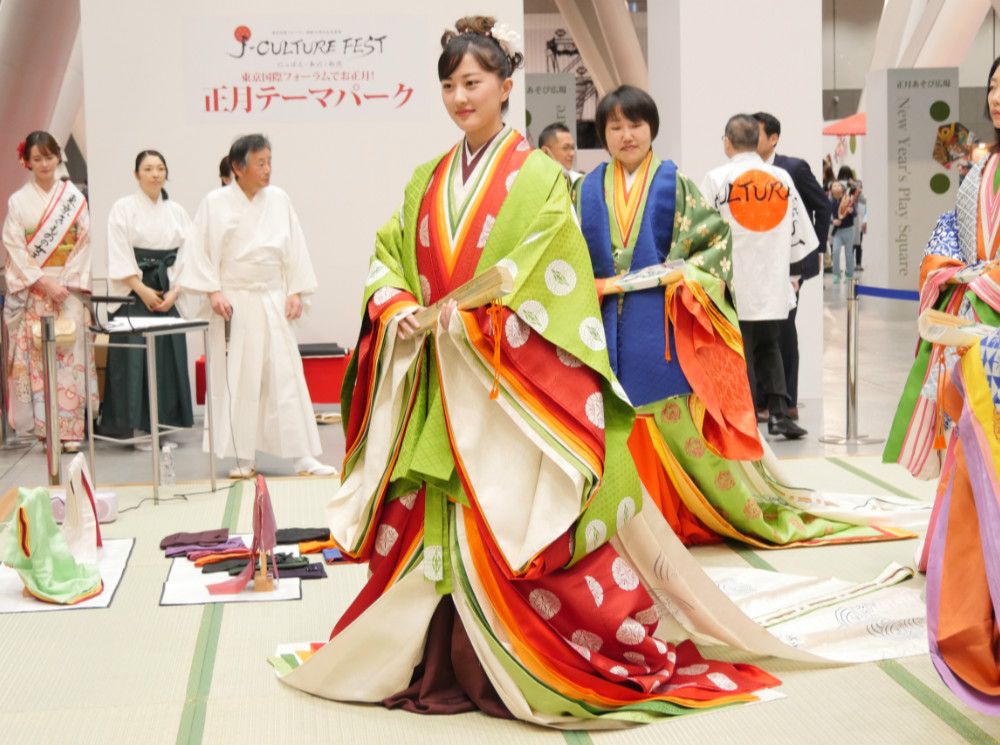
The arrangement and color of each layer are critically important. Because of the high-quality silk and the sheer number of garments, these outfits can weigh up to 20 kg! As the layers overlap, only the borders of the rich, exquisite textiles are visible at the sleeves and neckline, creating a sophisticated color gradient known as kasane no irome.
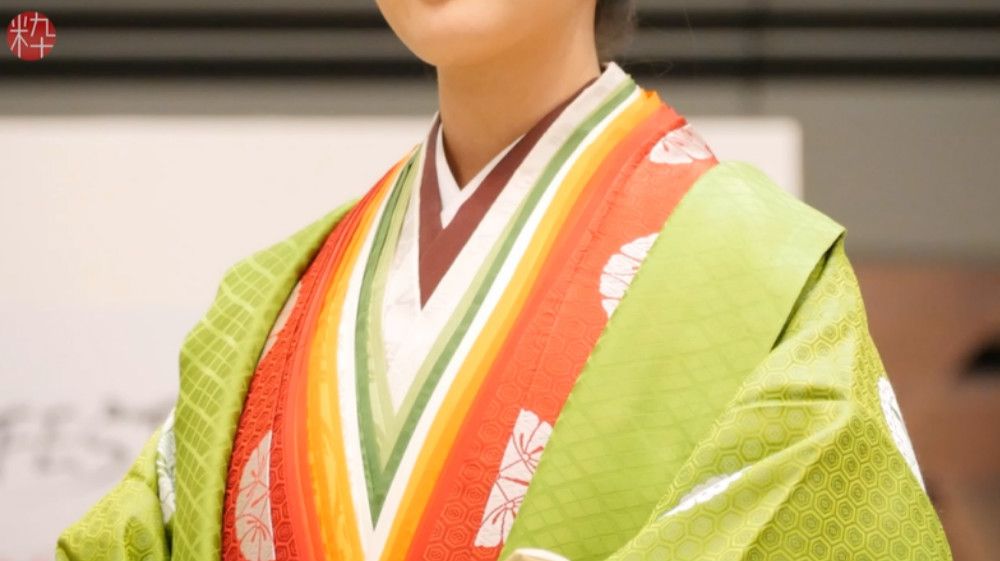

Seasonal Artistry
Although only a small portion of each layer is visible, every robe features seasonal elements. The colors and patterns are meticulously chosen to represent specific flowers, animals, or natural phenomena of the current month. In the past, it is said that some noblewomen wore over 20 layers, which made it virtually impossible for them to walk.
The Evolution of the Junihitoe
The video at the top of this article is that of the modern junihitoe. The original style is actually closer to China’s Sui and T’ang Dynasties official attire. Let’s take a look at the evolution of this amazing outfit.
Asuka Period (538 – 710)
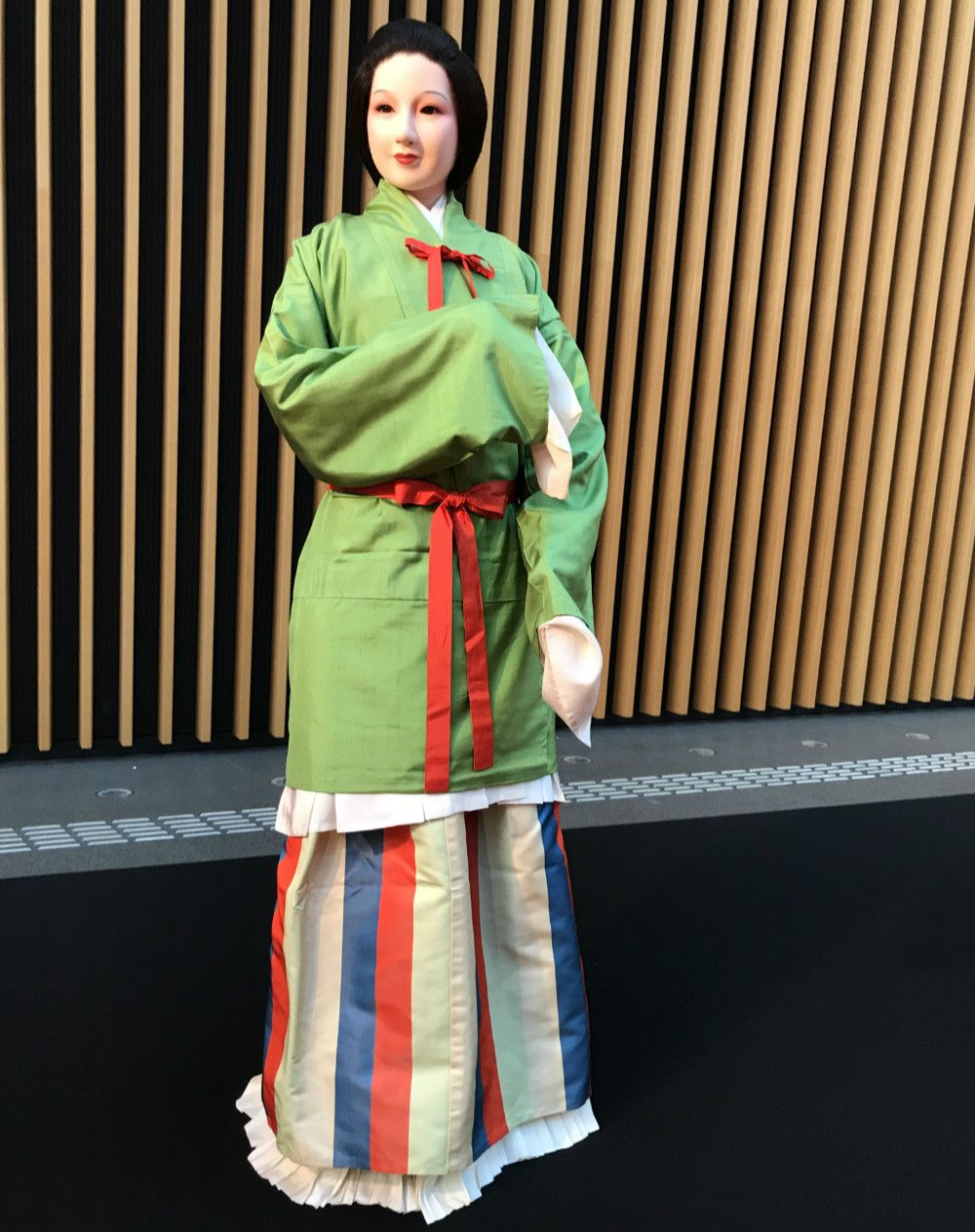
Nara Period (introduction to Chinese T’ang dynasty)
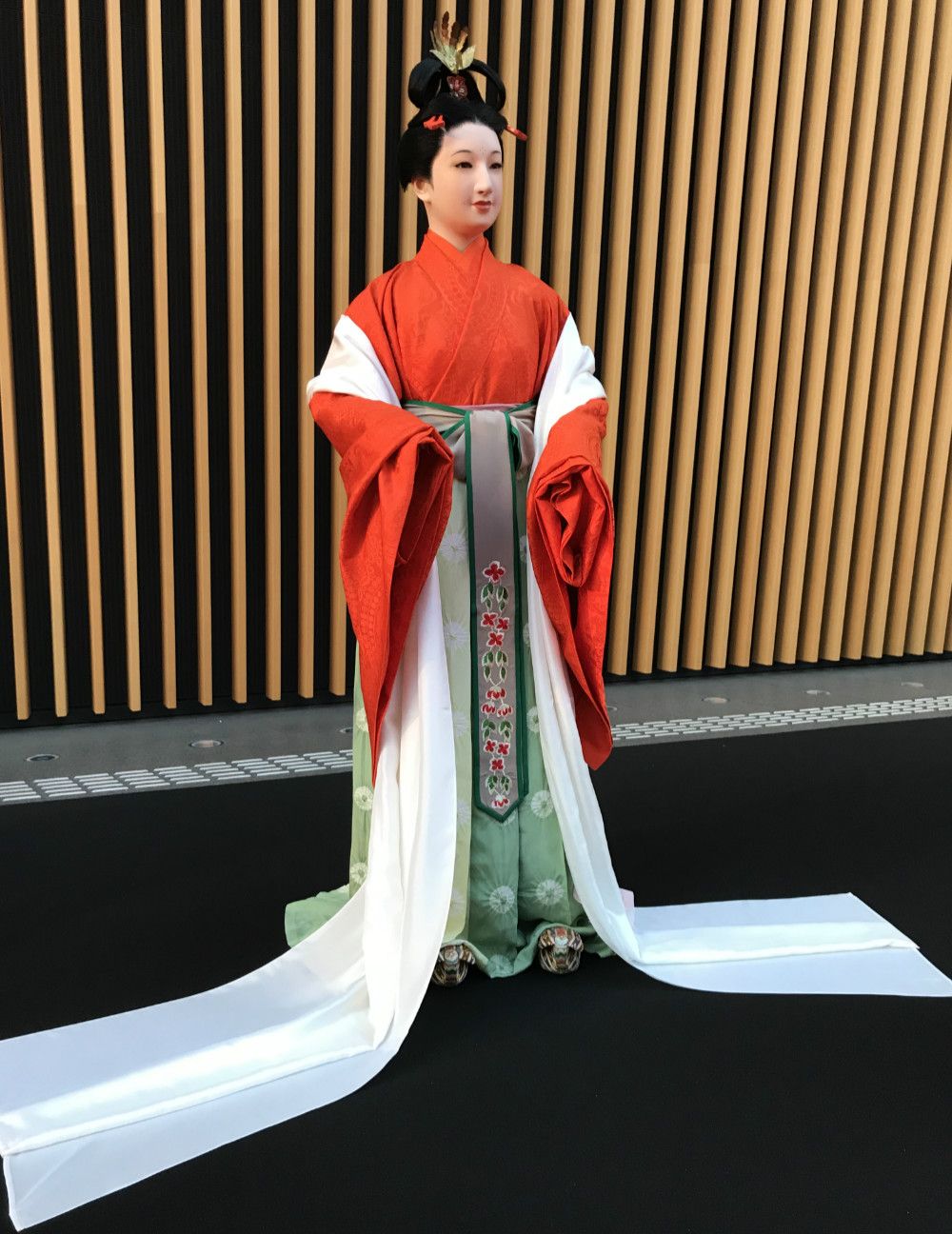
Early Heian Period
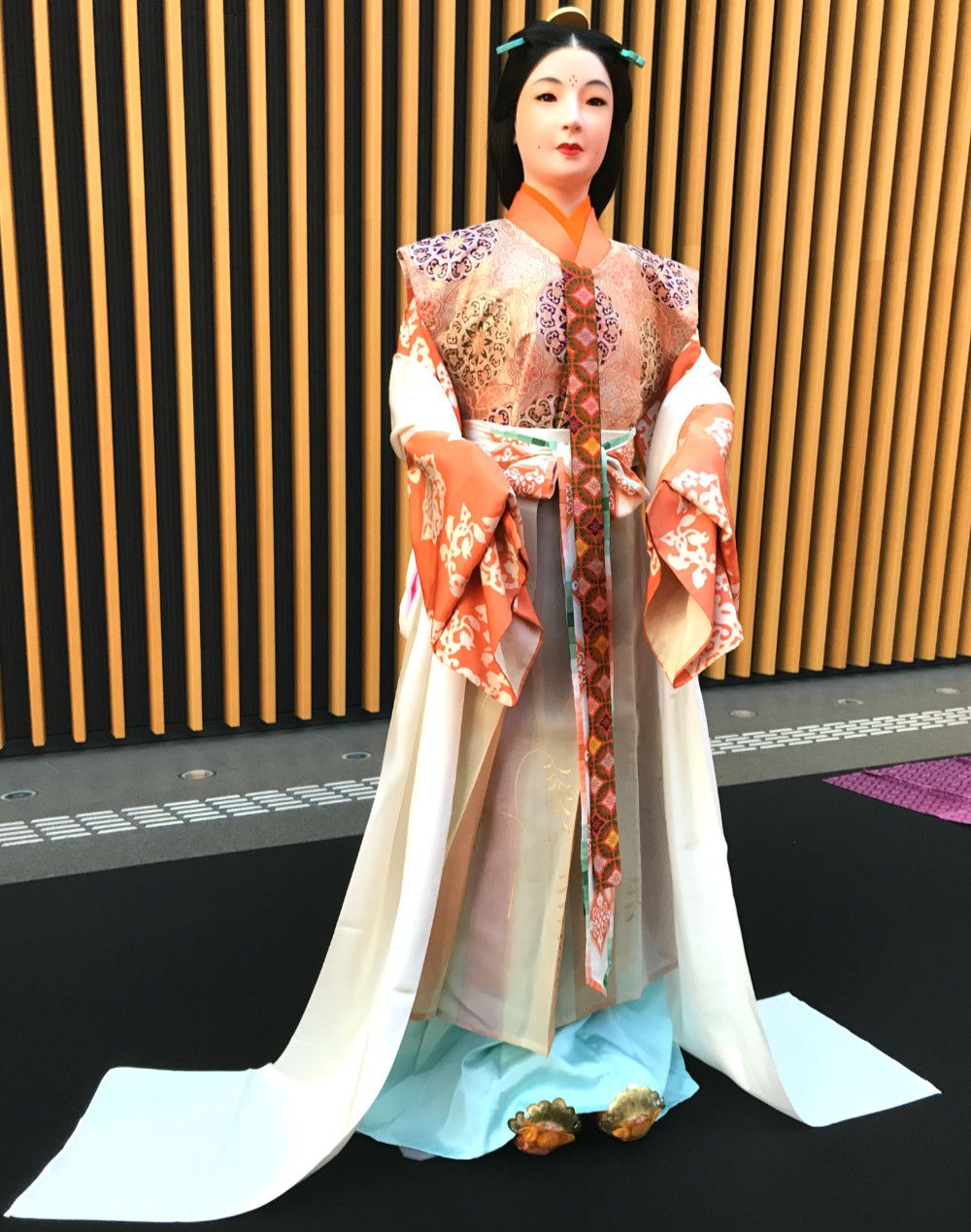
Mid Heian Period (formation of the unique Japanese junihitoe)

Heian Period (Insei system, an Emperor abdicated but retained power and influence; a period of luxury)

Early Edo Period (evolved into a dress for aristocrats)
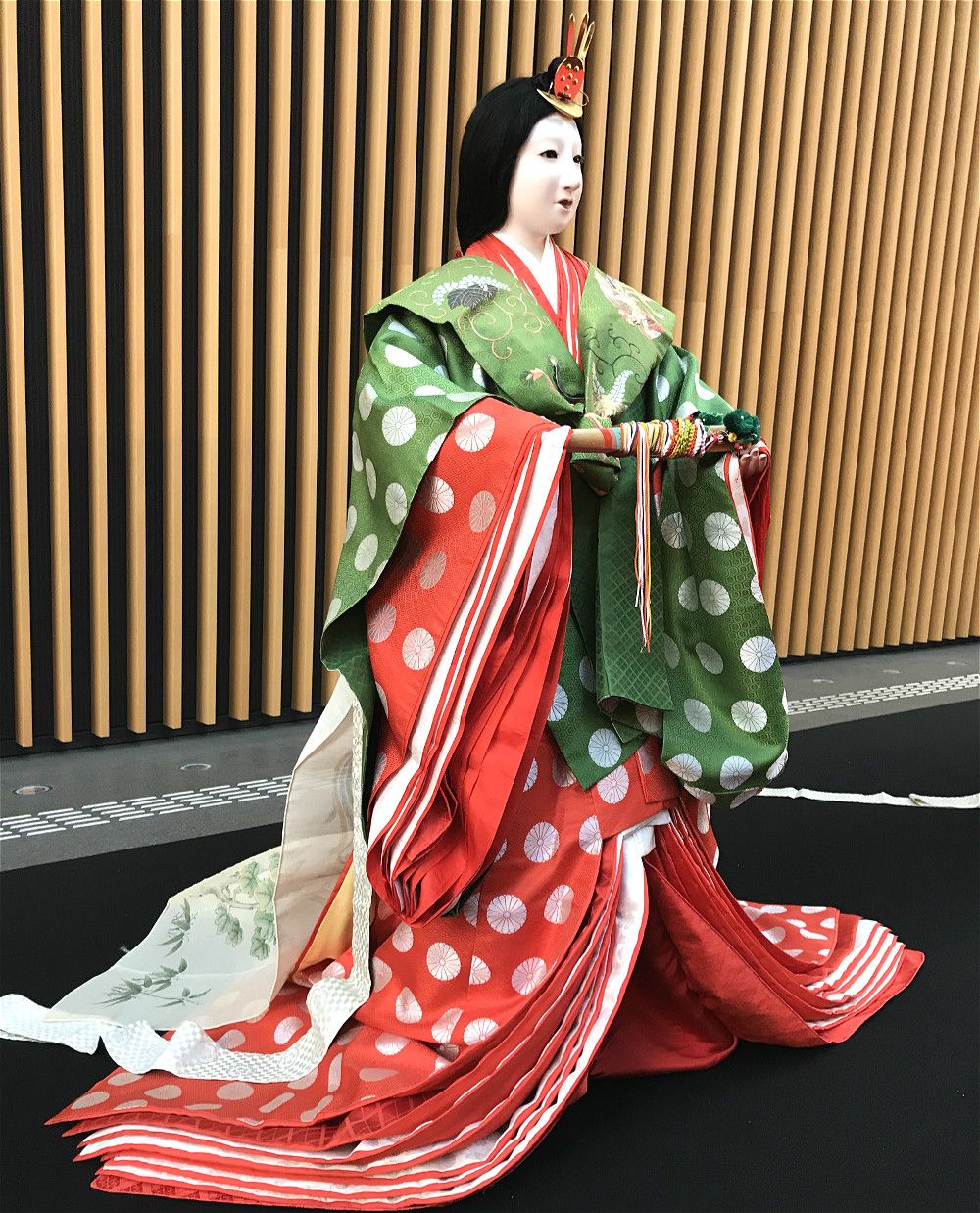
Late Edo Period (hairstyle was changed to match that of the masses)
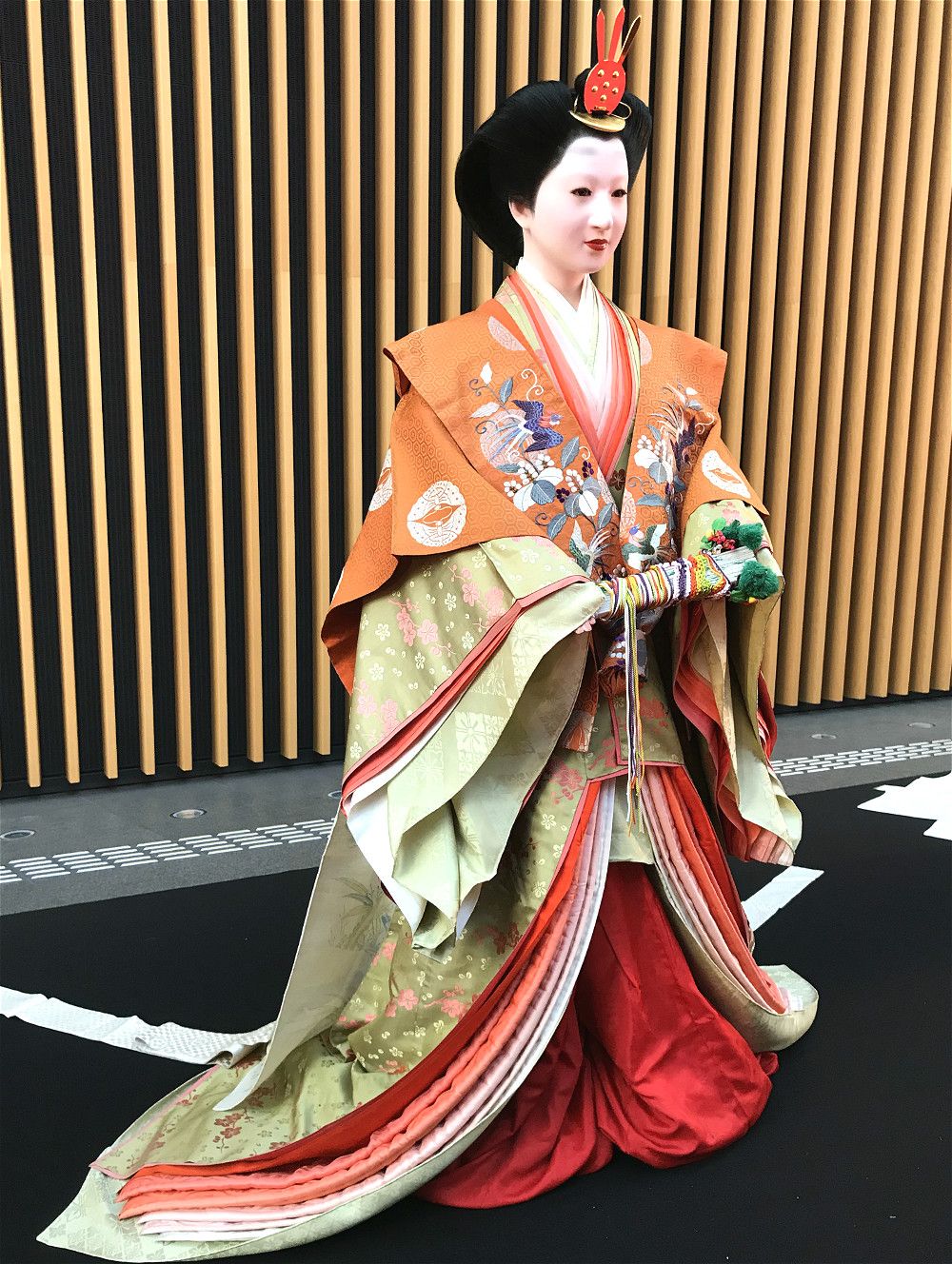
Present Day (worn for ceremonial occasions by nobility)

It is almost impossible to see this lavish garment in this day and age. The next time you would see it is probably when a new Emperor ascends the throne. Even though this attire has lost its charm and usefulness in everyday life, we hope it is preserved and valued as an important aspect of Japanese history.