

A friend recently visited Japan, and out of curiosity, I took a look at her passport to see the immigration stamp. I was quite surprised by what I found!

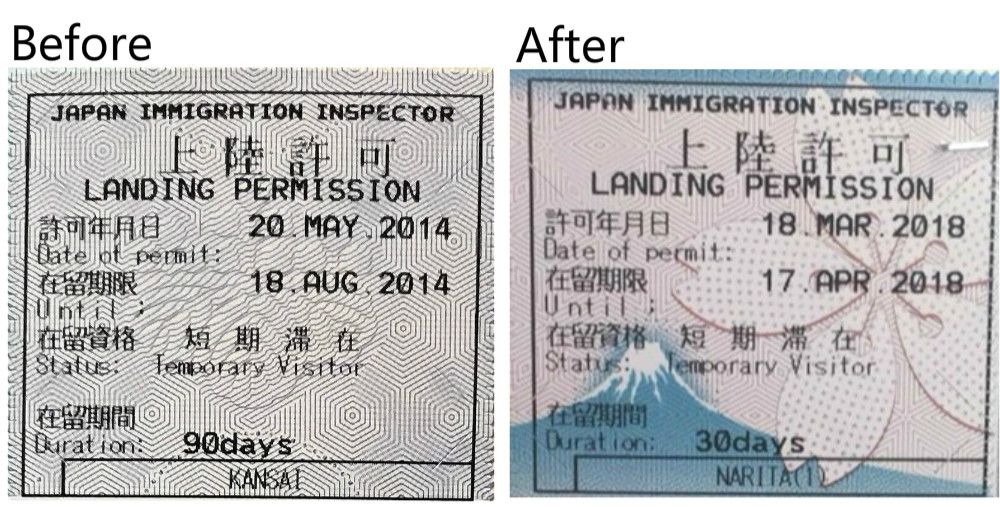
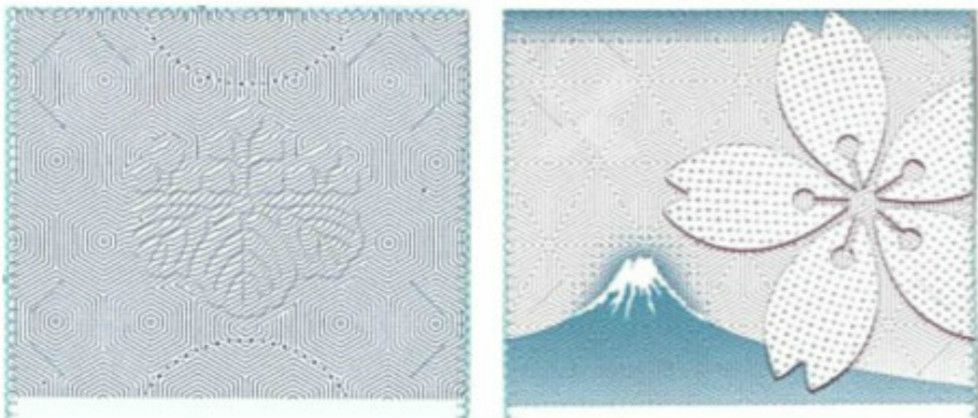
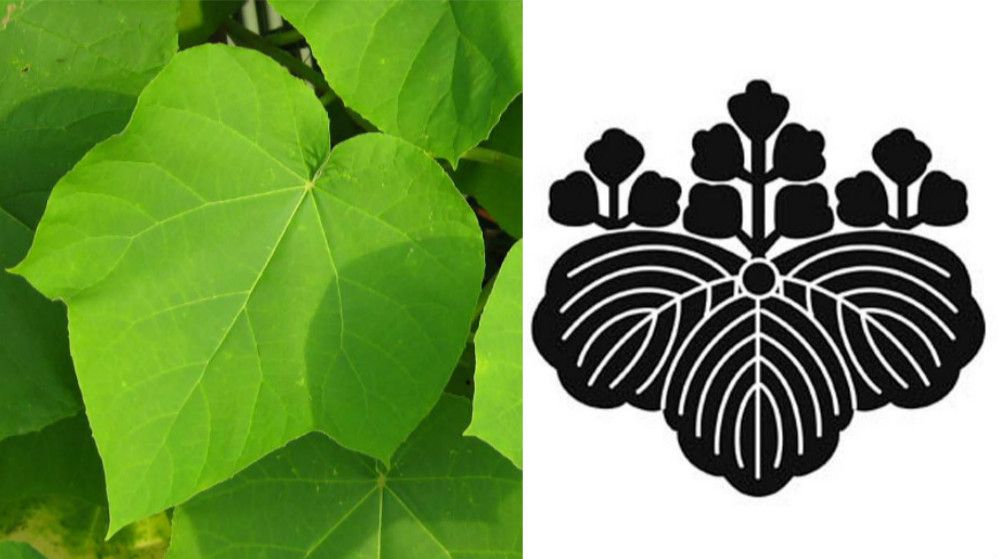
You may ask what is so special about a simple sticker. Actually, this small “Landing Permission” label, applied to your passport during immigration procedures, recently underwent a significant redesign. In 2026, those who have visited Japan multiple times over the years might notice that the classic design has shifted from the Paulownia Crest (the Government Seal of Japan) to a beautiful illustration of Mt. Fuji and cherry blossoms.
The Meaning Behind the Change
In early 2018, the Japanese government announced this change from the Kirimon (paulownia emblem) to the more globally recognized symbols of Mt. Fuji and sakura. While this might seem like a trivial aesthetic update, it reflects a shift in how Japan presents its national identity to the world.
The History of the Paulownia Crest (Kirimon)
In Japan, the Kikumon (chrysanthemum seal) is the ancestral symbol of the Imperial family. However, the Kirimon (paulownia seal) also has deep imperial roots.
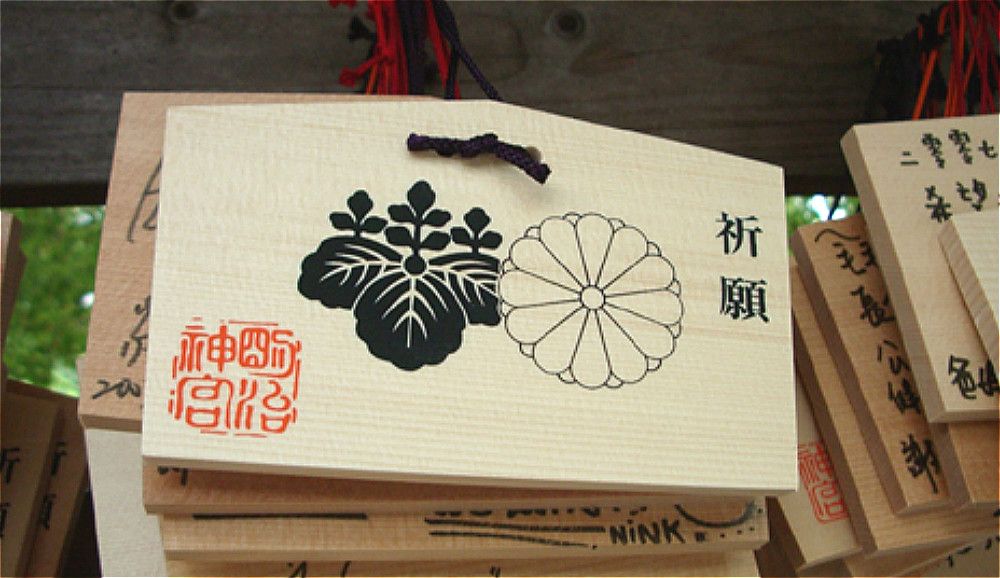
It is said that the pattern was influenced by a Chinese legend stating that the phoenix perches only on a paulownia tree. This inspired the emperors of the Kamakura period to adopt it.

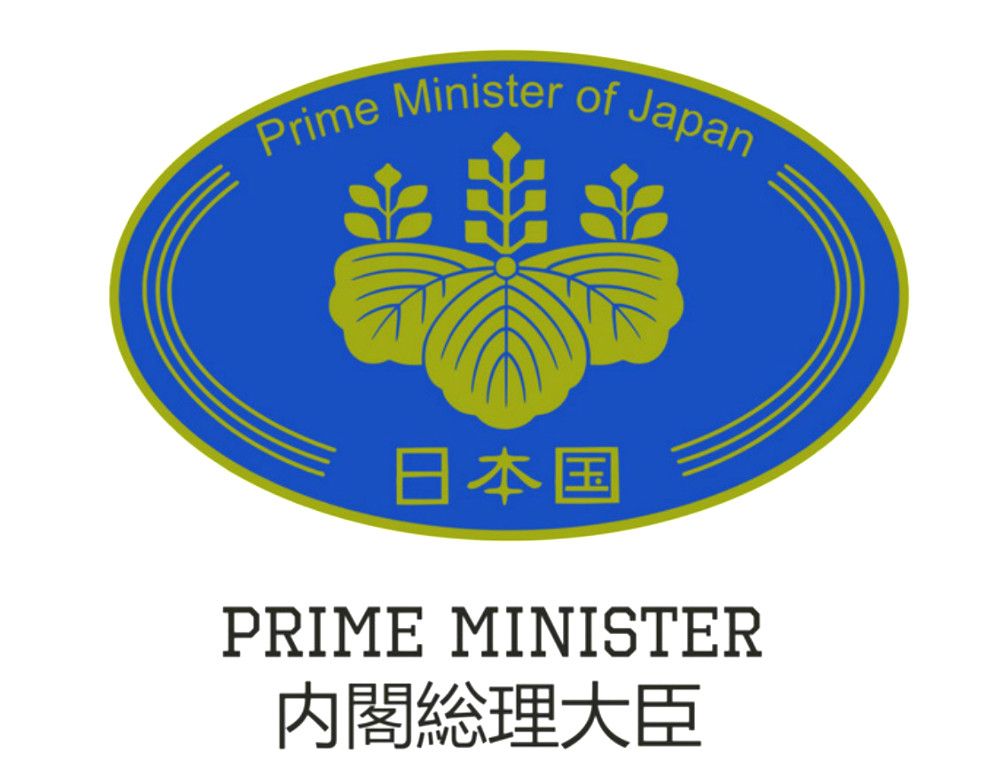
Since the Meiji Period, the Kirimon has served as the official emblem of the Prime Minister and the Japanese government. You can still see it today on the wooden doors and ema (votive tablets) at Meiji Jingu Shrine in Tokyo.
The Rise of the Cherry Blossom (Sakura)
While the chrysanthemum is the symbol of the state, the cherry blossom is far more widely recognized as the symbol of Japan by international visitors.
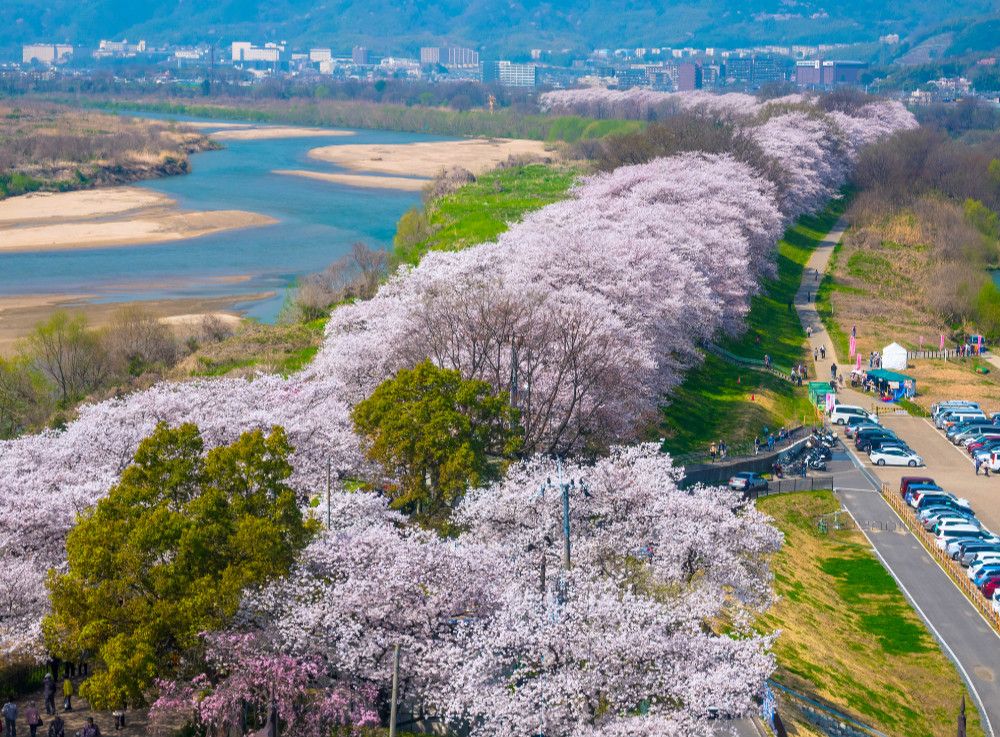
More than 80% of cherry blossoms in Japan are the Somei Yoshino variety. This hybrid was cultivated in the Edo Period in Komagome, Tokyo. Unlike native trees, they are clones, meaning they all bloom simultaneously—a trait that became a symbol of national unity during Japan’s modernization.
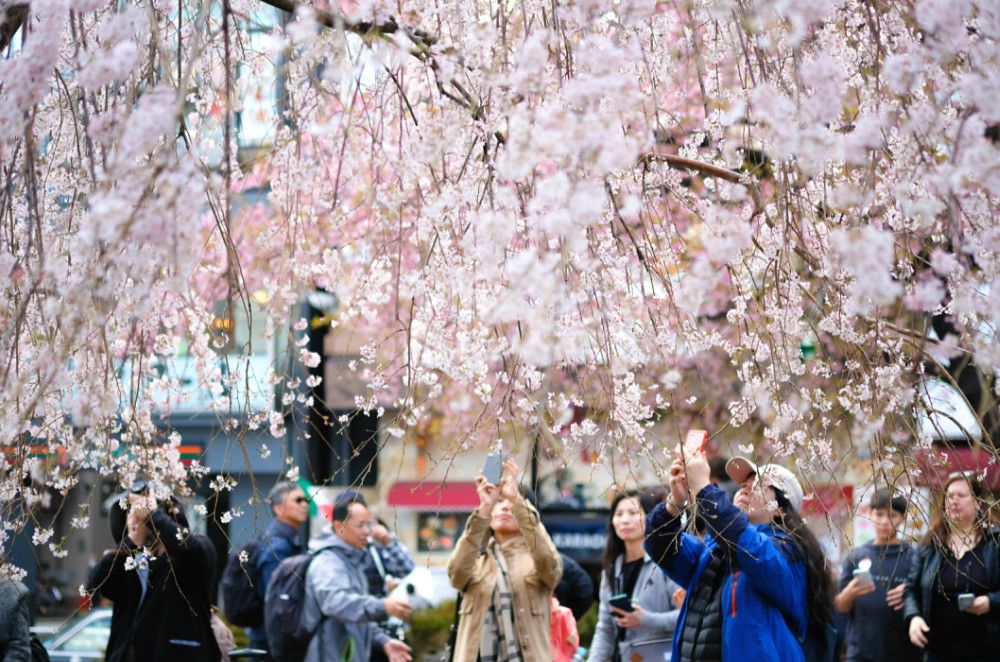
Native cherry blossoms, like Yamazakura, see leaves and flowers at the same time and have varying bloom periods.
Why the Change Matters
Japan is currently focused on a national policy to attract more international tourists. While the Kirimon has a long and prestigious history, it is relatively unknown outside of Japan. By using Sakura and Mt. Fuji on immigration stamps, the government is leaning into symbols that are instantly recognizable and beloved by travelers.
While it is a bit regrettable to see the historic Kirimon disappear from the passports of foreign tourists, the new design serves as a beautiful first welcome to the country, celebrating the “unforgettable” icons of Japanese nature.