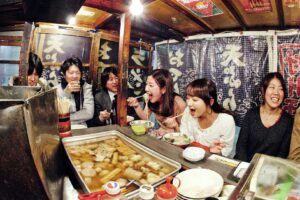

Sensoji Temple is a must-see place for most tourists who come from abroad to visit Tokyo. Once a year, the area surrounding Sensoji holds the Sanja Matsuri (三社祭), historically one of the most vibrant and intensely crowded festivals in the country.
About Sanja Matsuri
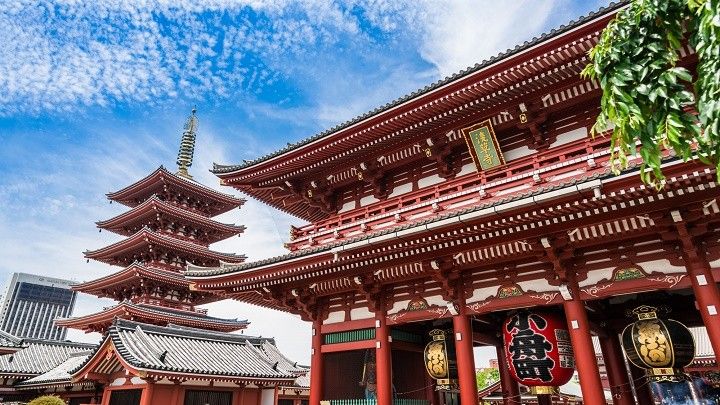
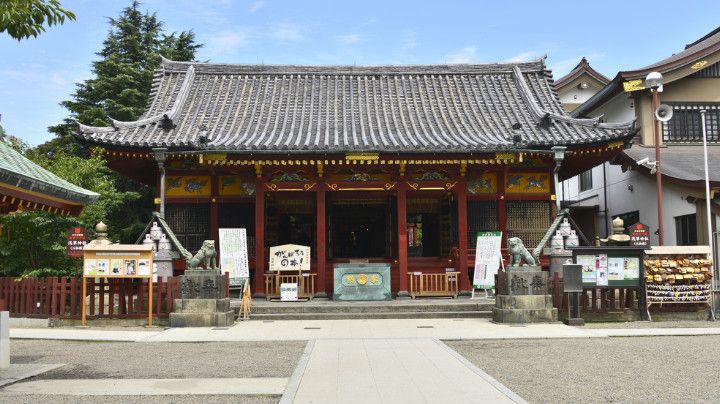
The Origin of the Name: Standing next to Sensoji is Asakusa Shrine, which enshrines the three gods (Sanja-sama) associated with the founding of the temple: the two fisherman brothers who found the Buddha statue in the Sumida River in 628, and a sage who recognized the statue’s value. This is where the name “Sanja Matsuri” comes from.
Like other festivals, you can observe authentic Japanese ceremonies and parades. The highlight of this festival is the mikoshi (decorated portable shrines) parade, during which bearers carry the mikoshi around and occasionally jostle with each other. This dynamic energy is a traditional way to express the wild passion of the festival’s origins in the Edo period. If you are thinking about participating in this festival, please be safe and stay together with your family and friends.
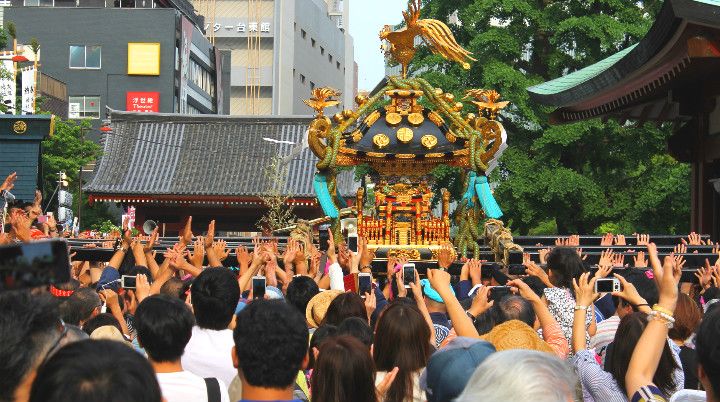
In this festival, you can still see how people of Edo used to passionately celebrate festivals. During these three days, 1.85 million people visit here. If you are thinking about participating in this festival, please be safe and stay together with your family and friends.
Highlights of Sanja Matsuri
1. Beautiful parade
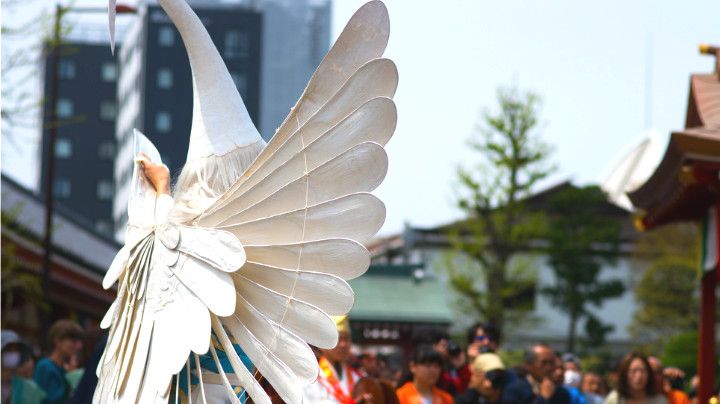
Although Sanja Matsuri is known for the wild mikoshi parades, it starts with a quiet dignified ceremony on the first day. A Daigyoretsu (large procession) takes place on the streets. This is followed by “Ohayashi” musicians who play flutes and drums. Then come the beautiful heron-hooded dancers, dancing “the dance of the heron” as they walk through the streets of Asakusa.
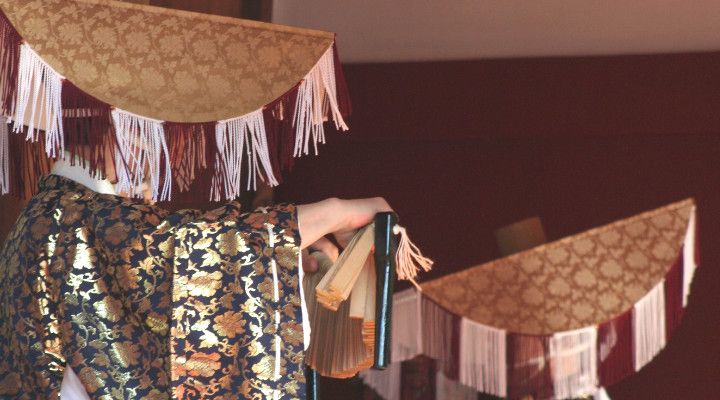
The Binzasara Dance, a traditional dance considered an intangible cultural property by Tokyo city, is also performed to pray for a good harvest.
2.Yoimiya: The Evening Mikoshi Viewing
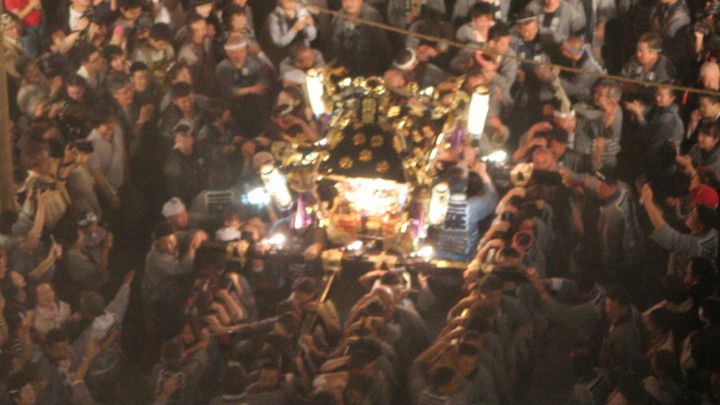
The main mikoshi parades take place on Saturday and Sunday. If you won’t be able to come to Asakusa on the weekend, you can view the famous mikoshi during Yoimiya (宵宮), which starts in the late afternoon on Friday, the first day of the festival! This is the only day when you can see a mikoshi procession in the evening, animated by many locals wishing to get a first look.
3. More than 100 mikoshi in Asakusa: Local mikoshi procession
On the second day of the festival, the local mikoshi depart to parade around the city. More than 100 big and small mikoshi, that come from more than 40 districts, walk around the crowded areas of Asakusa after being purified at Asakusa Shrine.
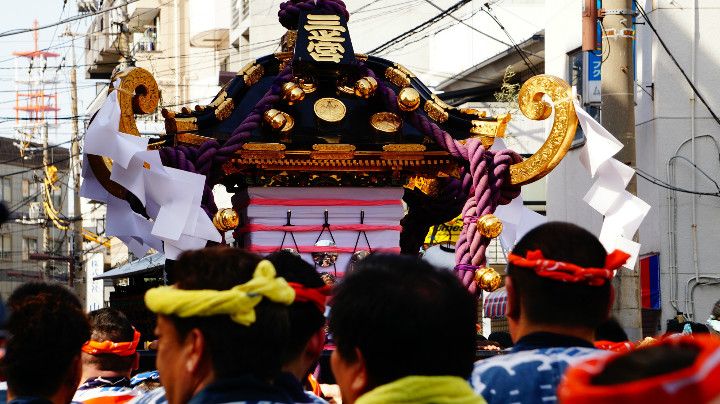
Since each group of mikoshi bearers tries to show that their mikoshi is the best, they are very competitive! It is such a dynamic show that the procession has a reputation for being truly “wild.”
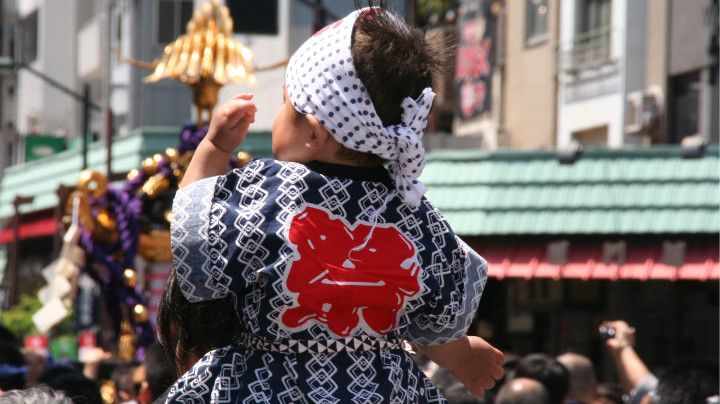
You can wait at Asakusa Shrine where the mikoshi parade starts. Some people, however, enjoy walking along with the mikoshi that they like. Some groups are composed of only men, while others are mixed or women’s only.
4. The Main Procession & The “Jostling”
On the third day of Sanja Matsuri, the main event of the festival, the Main Procession takes place. “Miyadashi” is a spiritual event when three mikoshi leave Asakusa Shrine. Since it is a great honor to carry these three mikoshi, many people jostle to carry them. The large crowd of people try to take the few places available to carry mikoshi. No wonder things get out of hand!
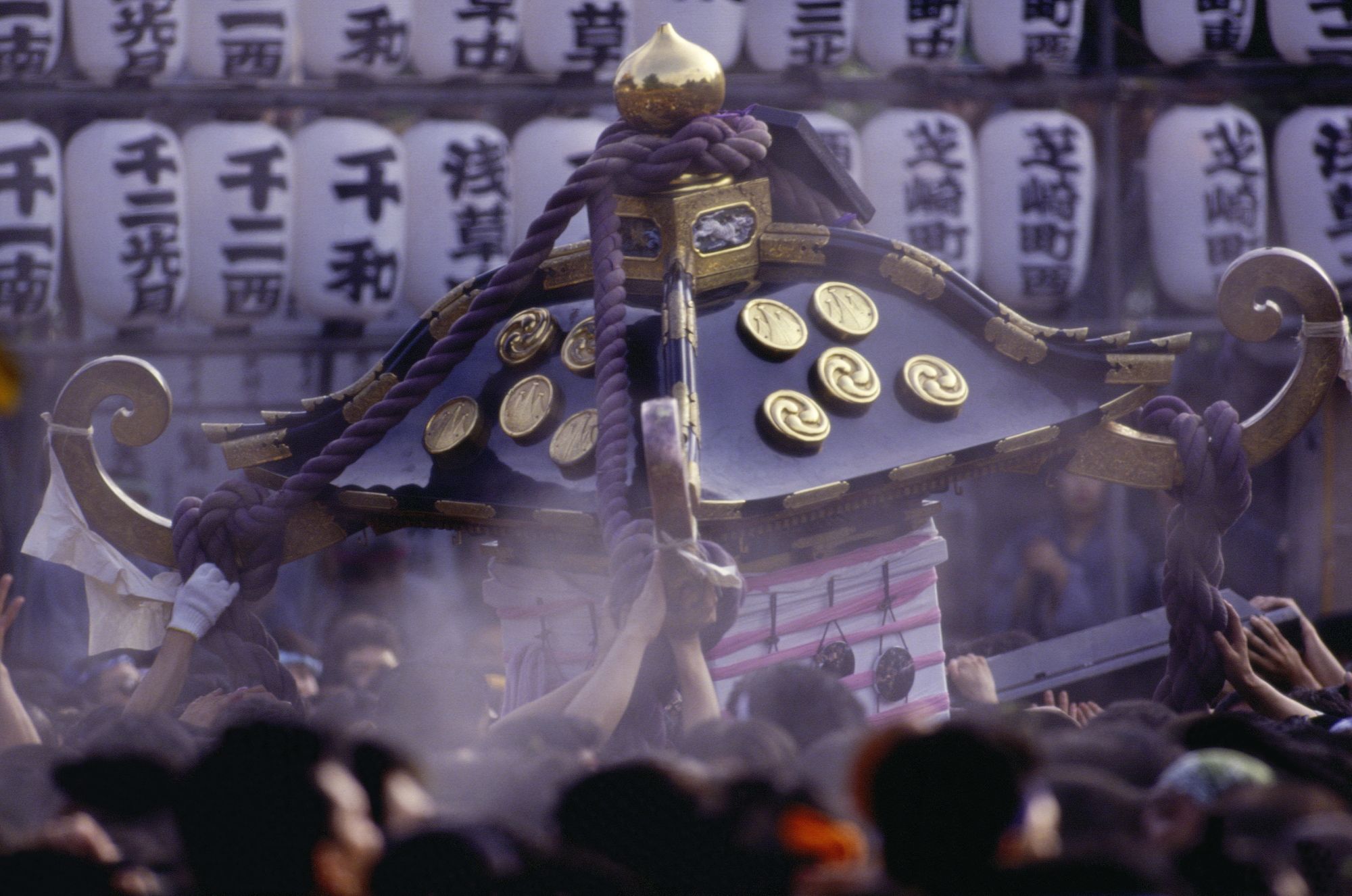
Even if you can get a place near the carrying bar of mikoshi, other carriers gather around to take your place. That’s how mikoshi are taken out of the shrine.
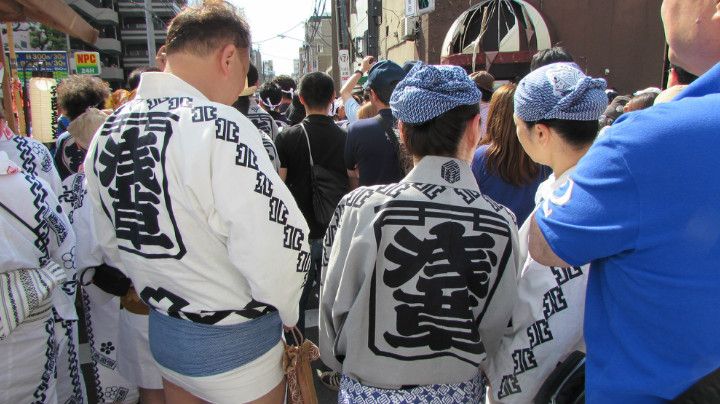
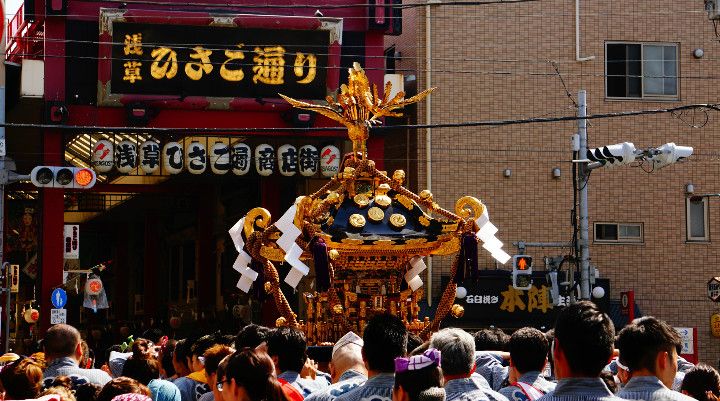
After parading around the city, the mikoshi are brought back to Asakusa Shrine. This ceremony, when the gods return to the shrine from the mikoshi, signifies the end of the Sanja Matsuri at Asakusa Shrine.
5. Street stalls
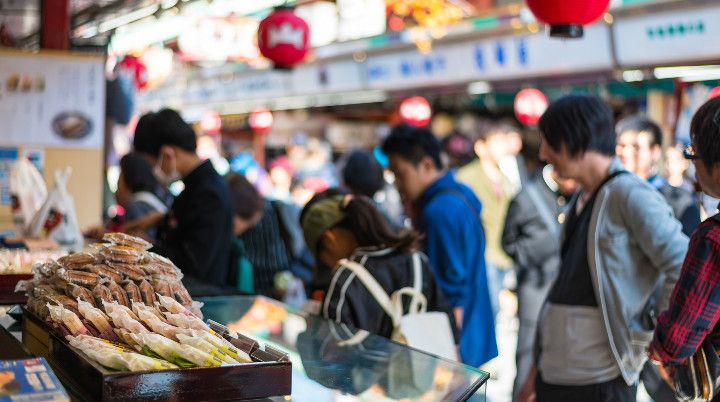
During Sanja Matsuri, many street stalls (yatai) are opened. From Kaminarimon to Umamichi street, a special “Matsuri Plaza” is created, particularly on the last day of the festival, packed with street food.
Period and Schedule
The festival is organized over three days on the nearest weekend to the 17th and 18th of May each year. The 2026 festival is expected to run from Friday, May 15th to Sunday, May 17th.
Witness the Spirit of Old Edo
The Sanja Matsuri is one of the biggest expressions of traditional Edo spirit left in Tokyo. Expect massive, passionate crowds, especially on Sunday morning during the Miyadashi, but the energy and spectacle are unmatched. Plan your route and enjoy this historic cultural event!