If you’ve been to an izakaya in Japan and ordered sake, you must have noticed how its poured into a chokko (small cup) till it overflows into a masu (wooden open box) or a tray. In this feature, we talk about two important customs when it comes to serving sake.
Origin of Mori koboshi (盛りこぼし)
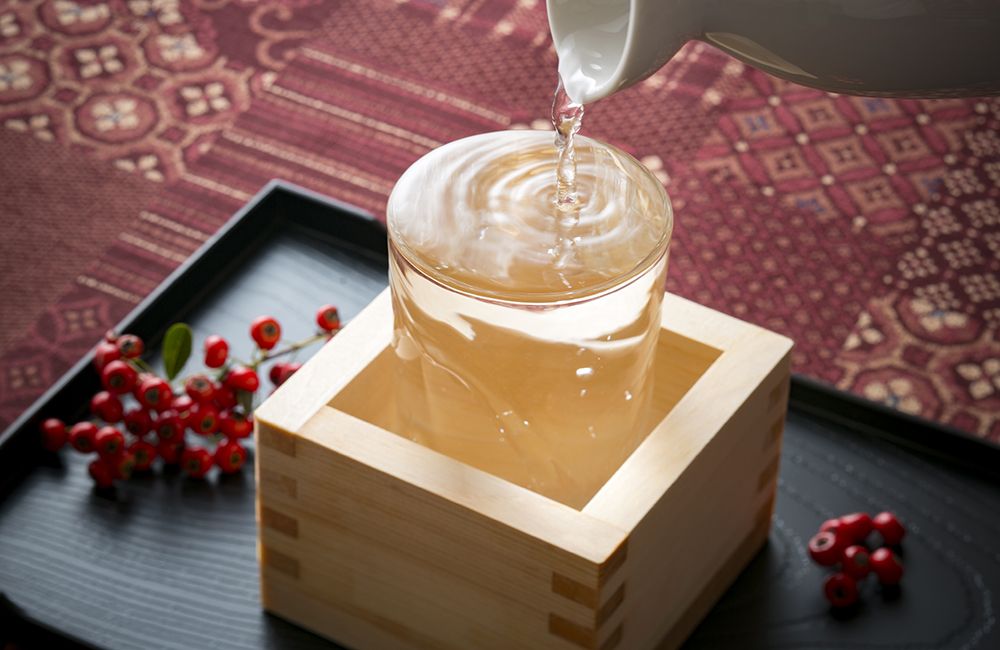
Mori koboshi (盛りこぼし) refers to placing a box or a tray under a glass and pouring enough sake to purposely overflow the glass. Mokkiri (もっきり) refers to the act of drinking the sake served in the glass as well as that overflown into the wooden box (masu, pictured below) or tray.
This tradition started when sake (Nihonshu) was sold in quantities of 1 go [ichigou (1合), approx. 180 ml]. Sometime over the years, sake cups in izakaya weren’t large enough to hold 180 ml, and so the amount poured needed to be adjusted. That is when masu or trays were placed under the cup, and the overflowed amount would be equal to 180 ml.

Another reason for this style of pouring is to show the spirit of omotenashi or hospitality that is deeply rooted in Japanese culture. Many izakaya continue this tradition so that customers feel that they have been given extra value or a special service.

Is there any etiquette for drinking the overflown sake?
Many people probably wonder about this too. How should I drink the overflown sake? The glass is filled to the brim, and you might spill some if you pick it straight up. The next problem is how you would drink the sake in the masu or tray. Should you pour it back into the glass or drink it straight from the tray? The fact is there is no single proper way to drink it, and you can choose any one of the popular methods below.

First, drink the sake from the glass. You usually take your time with sake rather than gulping it like a shot. Smell the aroma and sip a little at a time.
● Purposely spilling the sake from the glass Since it can be tricky to lift a glass filled to the brim up to your face, you can purposely tip a little bit of sake into the masu.
Pour the sake from the tray/masu into the glass. When the sake in the glass starts to diminish, pour the sake from the tray/masu into the glass and continue drinking.
Drink directly from the tray/masu. It isn’t considered bad manners to drink straight from the tray/masu either. Many believe that the masu (wooden box) in fact enhances the aroma of the sake.

How many ways can you drink sake?
When you order a sake in an izakaya, you will often be asked how you would like to have your sake. One of the joys of drinking sake is that it can be savored at various temperatures. Sake is usually available both hot and cold, which makes it a perfect drink for any season. The different temperature classifications are as follows:
- Reikan, chilled sake (冷酒) (5–15°C)
- Hiya, served at room temperature (冷や)
- Nurukan, served warm (ぬる燗) (~40°C)
- Atsukan, served hot (あつ燗) (~50°C)
Isn’t it fantastic that you can enjoy a drink of sake in so many ways. Make sure to check out the different varieties of sake made using rice from different prefectures of Japan and compare tastes 🙂
The Art of the Slip
Understanding the mori koboshi ritual transforms a simple drink into a cultural experience, representing Japanese omotenashi (hospitality). Whether you prefer the warmth of Atsukan or the crispness of Reikan, the versatility of sake makes it the perfect beverage for any season. Next time you visit an izakaya in Japan, impress your friends by confidently choosing your temperature and mastering the elegant art of the overflow!