
When visiting a hot spring or swimming pool in Japan, you may notice signs prohibiting people with tattoos from entering. While tattoos are often seen as fashionable in other countries, they have historically carried a “taboo” status in Japan. However, in 2026, this culture is in the midst of a significant shift. While many traditional hot springs (onsen), gyms, and ryokan (Japanese-style inns) still maintain restrictions, society is becoming more open to international travelers with ink. To understand why, we must look at the deep and complicated history of Japanese tattoo culture.
Tattoo Culture in Japan
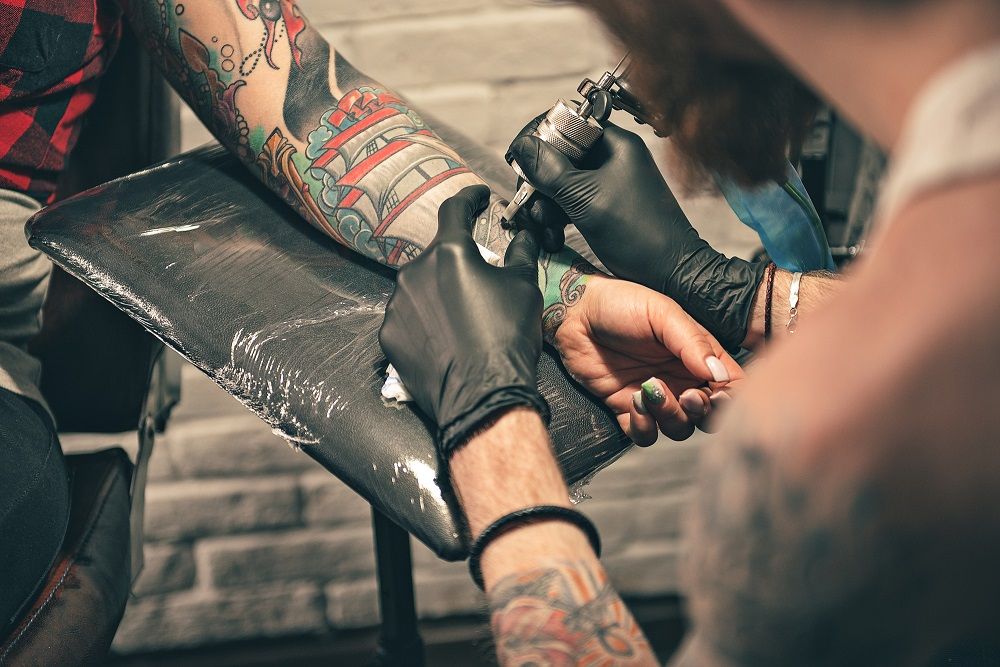
In other countries, tattoos are considered fashionable and cool, but in Japan, tattoos have a complicated background. In Japan, there are two different types of tattoos: Japanese-style tattoos called Wabori, and Western-style tattoos called Youbori.

Wabori tattoos are inspired by Buddhism and Shintoism, and most Wabori tattoos have motifs of legendary Buddhist and Shinto creatures, or Japanese flowers such as cherry blossoms. Influenced by Buddhism, Buddhist monks in the Edo period tattooed themselves with Buddhist teachings as a sign of their loyalty to the Buddha. This type of tattoo is also considered an antidote to danger and evil spirits.
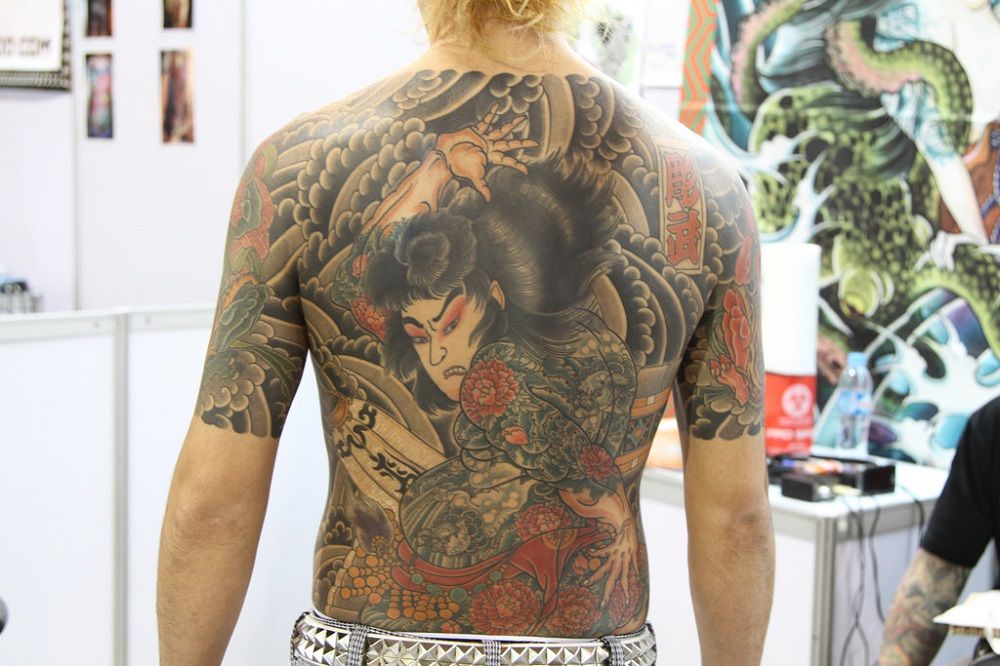
(Source: Binder.donedat, flickr)
The tattoo culture in Japan was adopted in the Ryukyu kingdom located on the island of Okinawa. A tattoo called ‘Hajichi’ is inscribed on the back of the hands of women who live in the Ryukyu kingdom to protect them from danger. Besides the Ryukyu kingdom, the Ainu tribe, which is a Japanese aboriginal tribe from Hokkaido, also has a tattoo culture. One of the traditional Ainu rituals involves tattooing the mouths and hands of Ainu women with black ink- a ritual practiced even today.
Why Tattoos Have a Bad Impression in Japan?

There are several reasons why Japanese people have a bad impression of tattoos. In the Edo period, tattoos were used to signify an inmate, with benefits to distinguish them from ordinary people. Each region had a different way of tattooing inmates, but mostly the tattoo was painted on the forehead or arms of prisoners.

In addition to prisoners, prostitutes in the Edo period, called ‘Yujo’ tattooed themselves with the name of their regular customer as a sign of their loyalty. This tattoo is referred to as ‘Irezumiko’, which starts with the customer’s name and ends with the kanji character 命 (inochi), which means life, so this tattoo means “I give my life to ‘name’.”

(Source: Fortune Johnny – flickr)
Tattoos are also used by members of the Yakuza (Japanese gang members) to prove their loyalty to their organization. Usually a Yakuza’s body is covered by a large Wabori tattoo, and tattoos are not only a symbol of their loyalty to the organization, but tattoos also show their sacrifice for the organization.
Japanese Society’s View in 2026

Society is changing! A landmark Supreme Court ruling recently declared that tattooing is an artistic act, not a medical one, legally protecting tattoo artists. While tattoos are still not common in corporate “salaryman” culture, they are increasingly seen as a form of self-expression among the youth.
Facilities that Forbid Tattoos
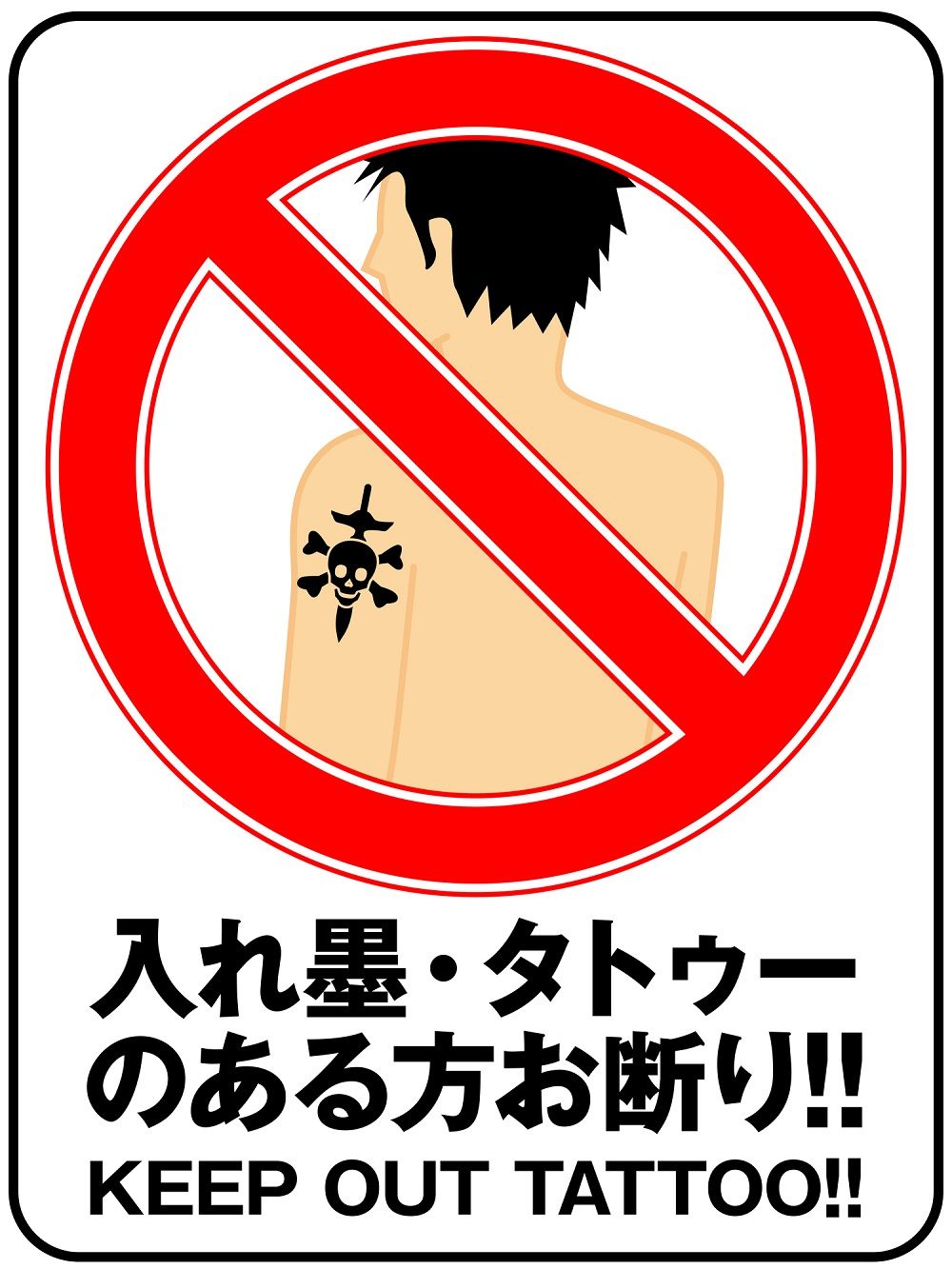
Many public facilities still forbid visible tattoos to ensure all guests feel “comfortable” according to traditional standards. However, the rules are much more flexible in 2026:
- The Sticker Rule: Many gyms and modern onsens now provide waterproof concealing stickers. If you can cover your tattoo with a small patch, you are usually allowed to enter.
- Tattoo-Friendly Towns: Destinations like Kinosaki Onsen and Beppu have become leaders in welcoming tattooed travelers to their public bathhouses.
- Private Baths: Many travelers now book Kashikiri (private) baths or rooms with private open-air tubs to enjoy the hot spring experience without worry.
Are Tattoos Illegal in Japan?

Absolutely not. Having a tattoo is 100% legal in Japan. While it may still create limitations for some jobs or specific high-end facilities, international tourists are rarely treated with anything but the usual Japanese hospitality. As long as you are respectful and check for “Tattoo Friendly” signs (or use covering stickers), you can enjoy the best of Japan’s culture!