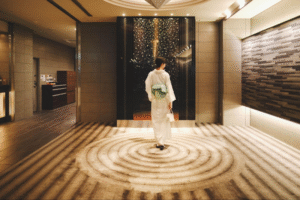

One of the most mysterious and intriguing Japanese cultures is Geisha. Japanese Geishas are not just young women; they are professionals who have been trained and taught since a young age to master the arts, so they are also skilled at playing chess, writing Japanese calligraphy, and performing other traditional Japanese arts. It can be said that Geisha is a mysterious and beautiful living art.

Usually, you’d see Geisha when watching a Japanese movie or when walking in Kyoto, and when you see them, you’d wonder why their faces are painted white, right?
在 Instagram 查看這則貼文
The Purpose of the White Makeup (Oshiroi)
Apparently, there is a history of why Geishas painted their faces white. In ancient times, there was no electricity in Japan, and most facilities were only lit by candlelight. Since candlelight was not bright enough, Geishas painted their faces white (using oshiroi) to enhance their skin tones and to contour their faces, making their faces more visible and recognizable.
Another reason why they painted their faces white is to help hide their true feelings and facial expressions. The main role of Geisha is to entertain and serve the guests, so they use the thick white makeup to maintain emotional neutrality in order to keep the guests happy, entertained, and not offended.
Although electricity did not exist in ancient times, the Geisha culture, including the costumes, has existed since then.
Honoring Tradition
The stark white face of the Geisha serves a dual purpose: practical and psychological. It is a tradition born out of the necessity of low light and maintained today to symbolize the Geisha’s dedication to service and the performance arts. Observing this unique beauty provides a direct link to the cultural history of Japan’s ancient entertainment districts.