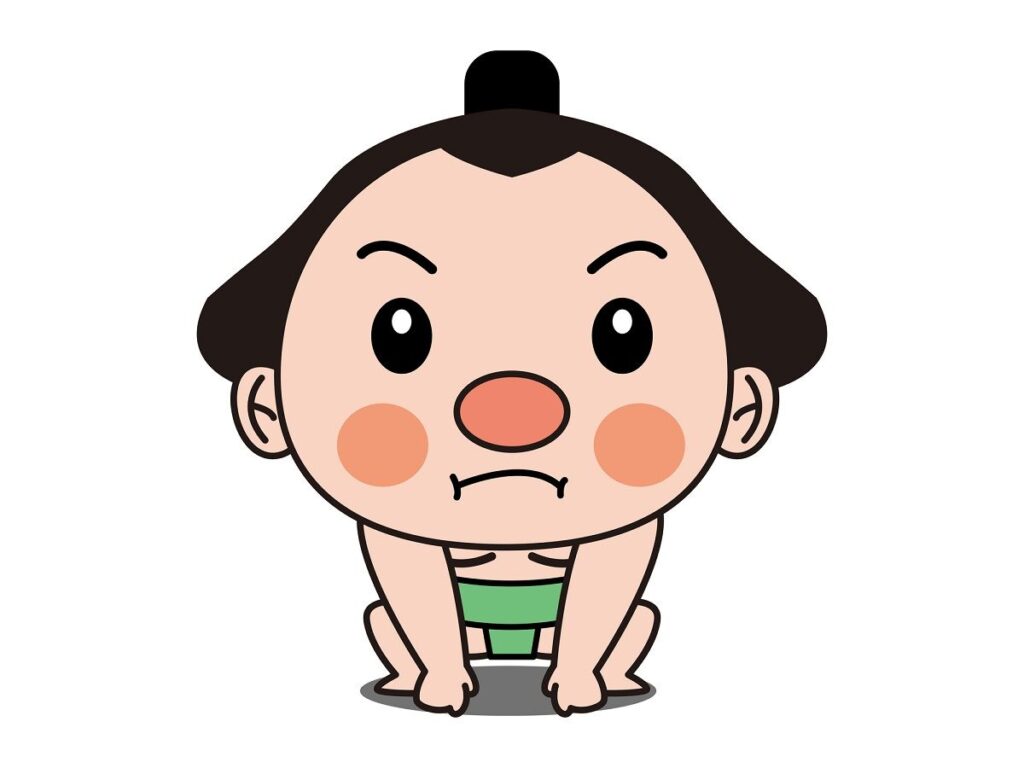
Ever wondered why sumo wrestlers in Japan always compete in a mawashi, the belt-like loincloth? As you may be aware, sumo wrestlers (rikishi) can only compete in a match wearing this thick fabric. Let’s dive into the history and ritual behind this iconic attire!
What is a Mawashi?

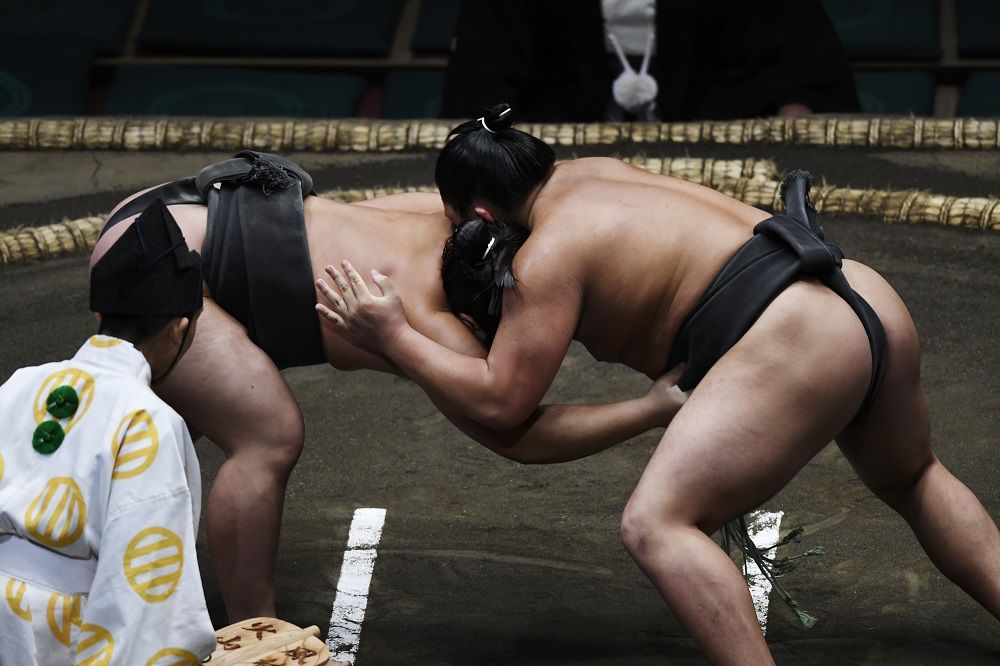
Mawashi is a cloth belt wrapped around the body of a sumo wrestler that also functions as shorts. These days, Mawashi is made of a silk only during bouts whereas while training sessions, cotton ones are used. During bouts, matching stiff fronds are hung from the front. These are called sagari. It is the choice of the rikishi (wrestler) to tie his mawashi tightly or loosely depending on what kind of advantage he would have over his opponent.
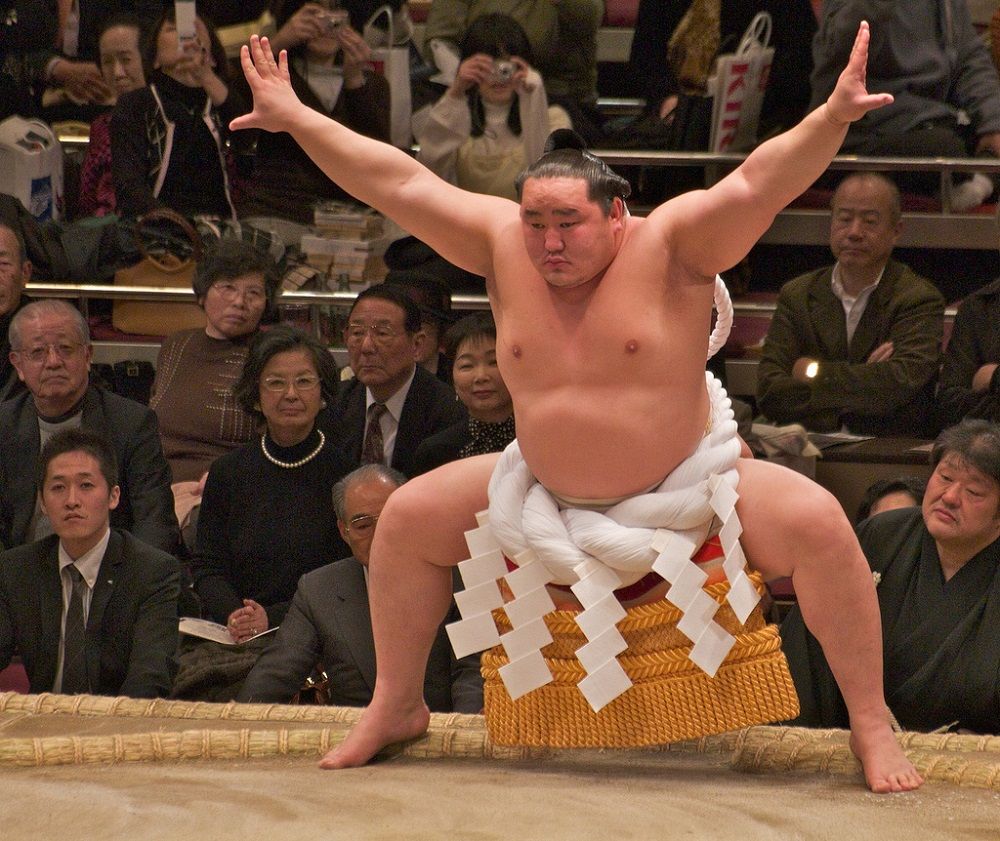
The Decorative Kesho Mawashi
During the Edo period, wrestlers actually competed in Kesho Mawashi (化粧まわし), which looks like a long, heavily decorated apron. Today, these beautiful silk garments—often costing millions of yen—are only worn during the “Ring Entry Ceremony” (Dohyo-iri). The designs are often eclectic, featuring symbols of the wrestler’s hometown, sponsors, or powerful animals like dragons and lions.
Why do sumo wrestlers only wear a mawashi and nothing else?
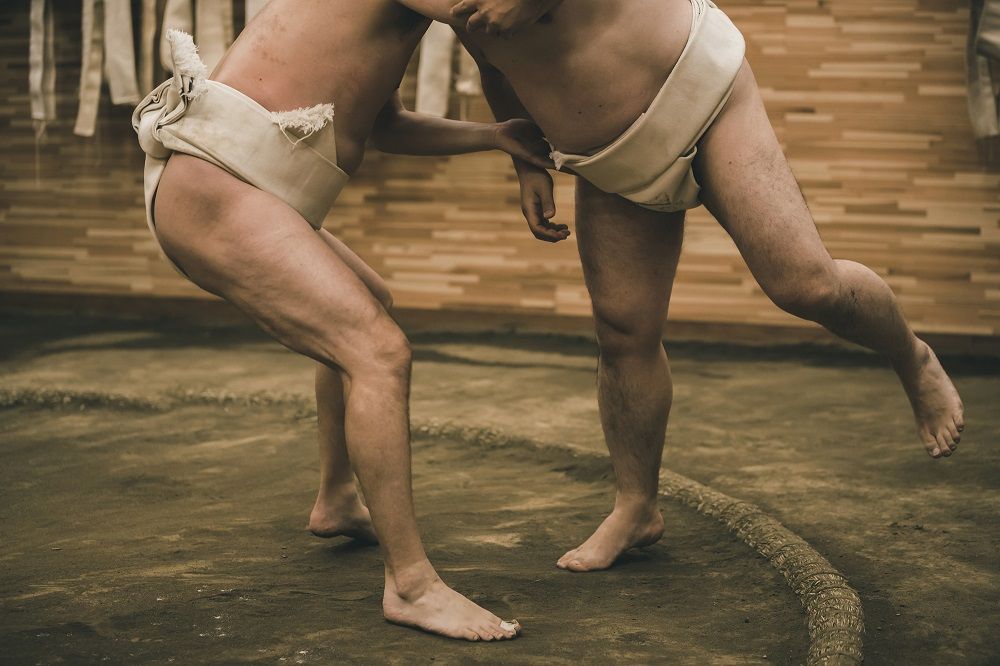
You must be wondering why sumo wrestlers compete without clothes; there are actually several reasons for this tradition. Sumo is often associated with rituals in Shintoism, and sumo matches are actually performed to show gratitude to the Gods and Goddesses of Shinto. By wearing nothing but a mawashi, there are fewer chances for wrestlers to cheat (apparently). Competing without wearing clothes is considered a way for wrestlers to show Gods and Goddess Shinto that they are not cheating.
In the ancient Olympics, wrestlers similarly competed in just a basic loincloth. Even today, Turkish oil wrestling and Mongolian wrestling matches are conducted in a similar fashion with the aim of proving that no weapons were hidden and no fraud was committed. After reading this article, you finally know why sumo wrestlers compete without wearing clothes, but did you know that salt is also used in sumo matches?
More Than Just a Sport
Sumo remains one of Japan’s most protected cultural treasures. Every element, from the way the mawashi is tied to the purifying salt thrown into the ring, carries centuries of meaning. The next time you watch a grand tournament, you’ll know that the mawashi is not just a uniform—it’s a symbol of transparency and religious tradition.