

When you see samurai hair, you might have wondered why their heads are half-bald, right? This distinctive hairstyle is called chonmage, in which the hair above the forehead is partly shaved and the rest of the hair is tied up.
History and function of chonmage
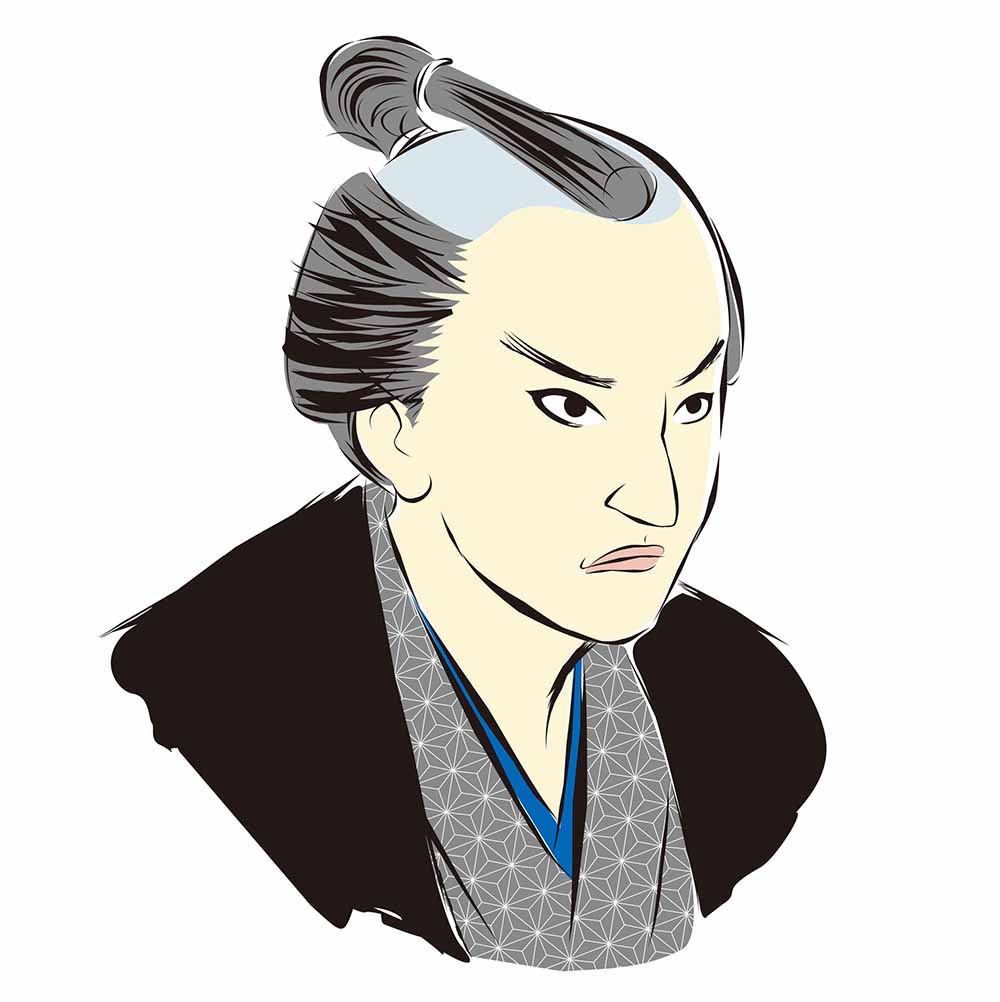
The chonmage hairstyle first appeared in the Nara era. While it was eventually adopted by the samurai class as a formal style, the hairstyle was also followed by other Japanese in that era. What makes a samurai’s chonmage and other people’s chonmage different is the shape, which is usually adjusted to their social status. Since samurai warriors were considered the society’s upper class, chonmage eventually became a symbol of social status. Many artists also portrayed the lower class with messy hair in that period.
Then, what is the function of chonmage?
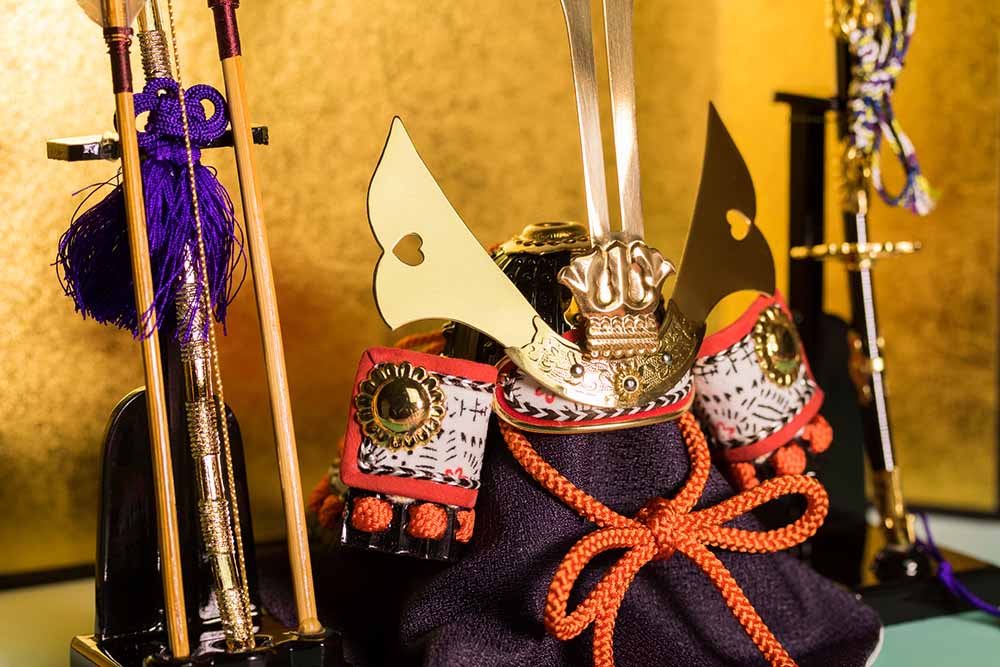
Samurai warriors use kabuto (a helmet made of iron) when fighting. The shaved forehead ( sakayaki ) was designed to prevent the helmet from trapping heat and to provide a comfortable anchor for the helmet. The tied knot (mage) helped stabilize the heavy kabuto. This proves Japan has always been an innovative country!
Chonmage in the modern era

In the modern era, chonmage is considered an old trend, but you can still see this unique hairstyle when watching a sumo match. Sumo wrestlers’ long hair is tied up like a chonmage; what makes the difference is that the top of their heads is not bald like samurai warriors. Sumo wrestlers with higher status usually have oicho-style chonmage, where the ends of the top knot are shaped like a fan.

The Enduring Legacy of the Top Knot
If you are interested in trying the chonmage hairstyle, how about trying the modern version of it, which is also known as the samurai bun hairstyle, which actually looks great if it fits your face shape. Well, now you know what chonmage is, right? After knowing the history and function of chonmage, are you now interested in trying that hairstyle?