
Kanazawa, Ishikawa Prefecture, is the largest city in the Hokuriku area, and it was one of the most prosperous regions in Japan back in the Azuchi Momoyama Period. Kanazawa was the seat of the second most powerful feudal clan after Tokugawa, the Maeda Clan. Therefore, Kanazawa culture has been extremely elegant since ancient times, not to mention it is home to one of the three famous gardens, Kenroku-en, as well as the elegant and understated luxury of the Higashi Chayagai, an area lined with tea houses. Considering the history and love for culture, there are bound to be some famous treats in the region. In this feature, we introduce the most popular Komokaburi.
Decoding the Name: Komokaburi
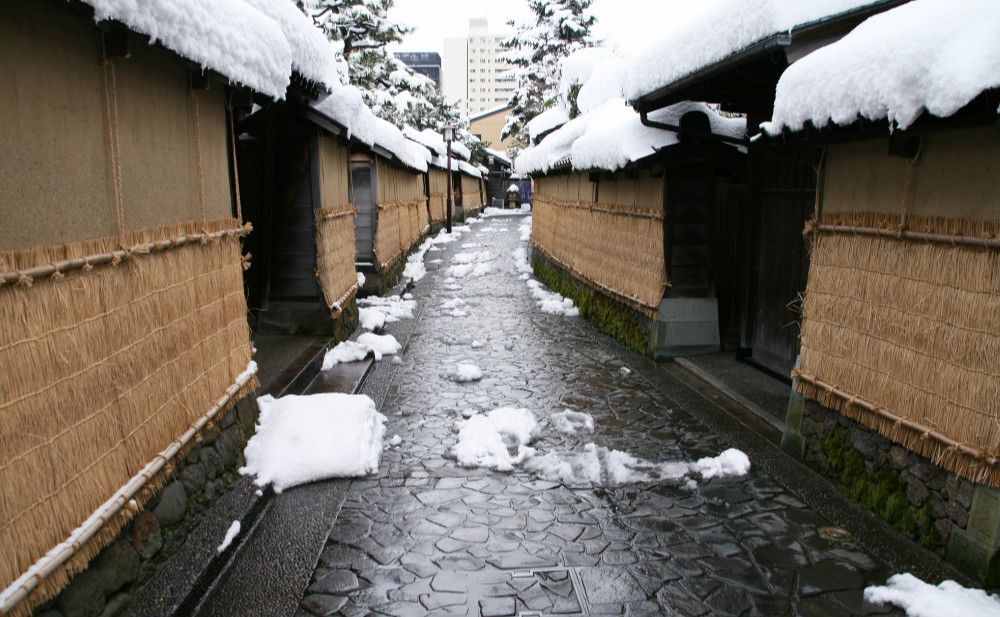
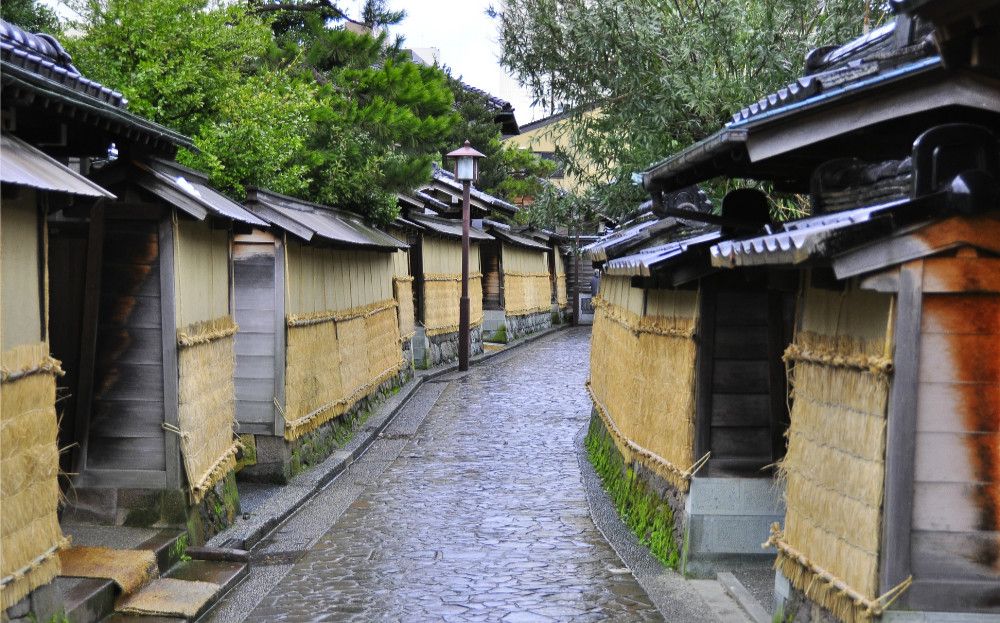
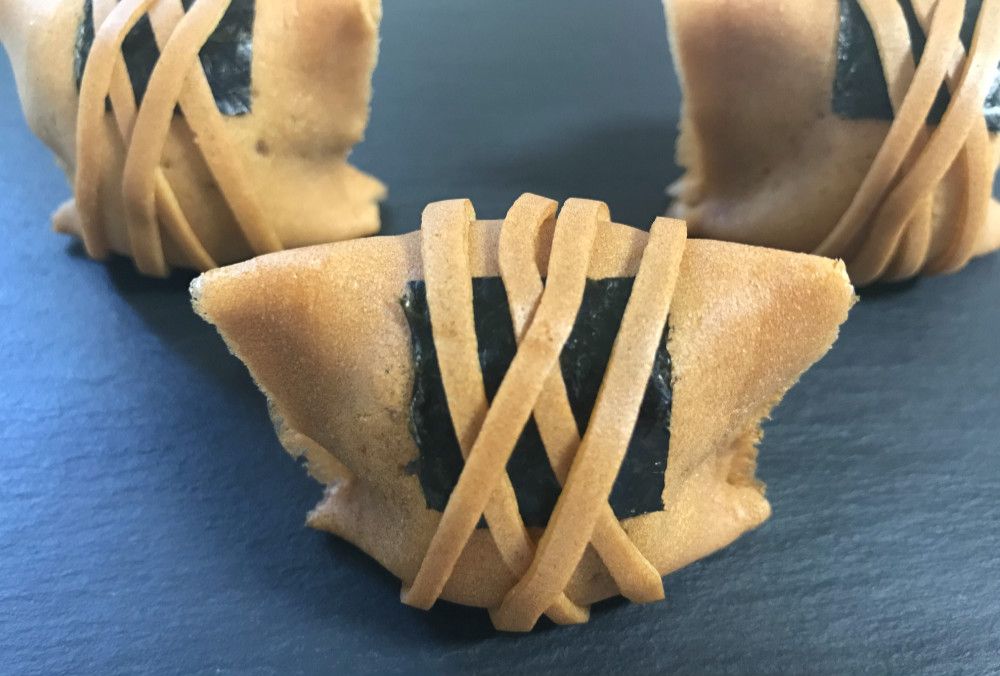
First, the name itself is interesting. 薦被 (KOMO-KABURI): The first character (Komo) means “recommendation” as well as a screen made using grass that covers the outer walls of houses in the Kanazawa area from the extreme cold of winter. Kanazawa is also known for yuki-dzuri, another winter feature here, that protects trees from breaking due to the weight of the snow.
Kaburi, the second character, means to cover.
The Unique Creation Process
The most fascinating aspect is how this treat is created. We have added a video at the end of this feature so you can see the precision that goes into making this wagashi.
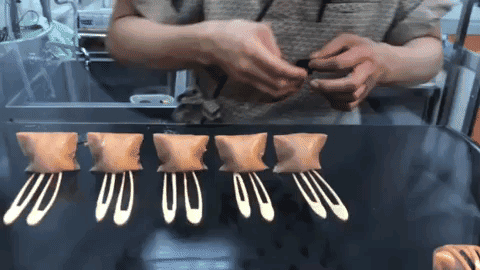
When on the pan, the pancake-like batter is made to look like a bunny.
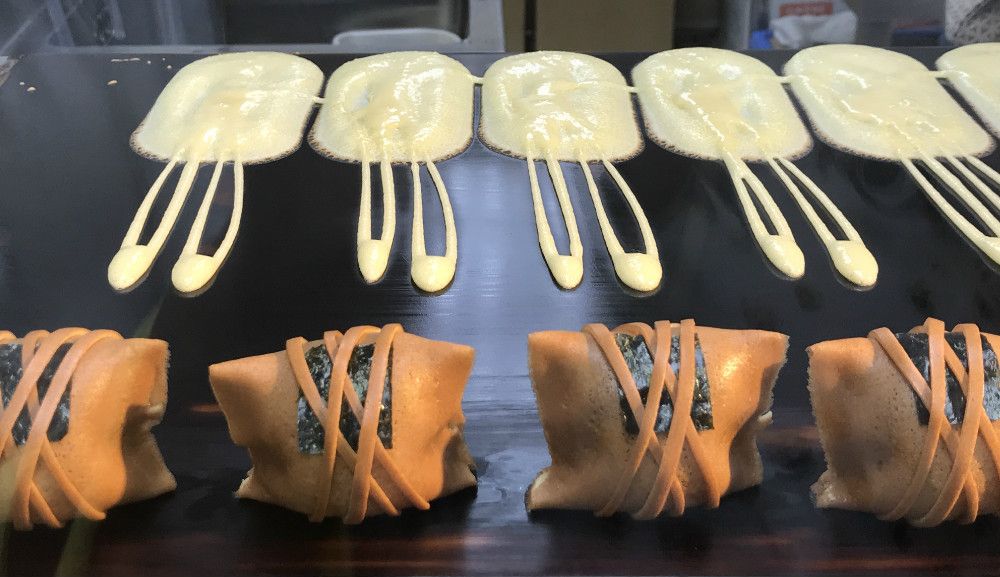
Once one side is cooked, anko (red bean paste) and a whole chestnut are placed on the batter.
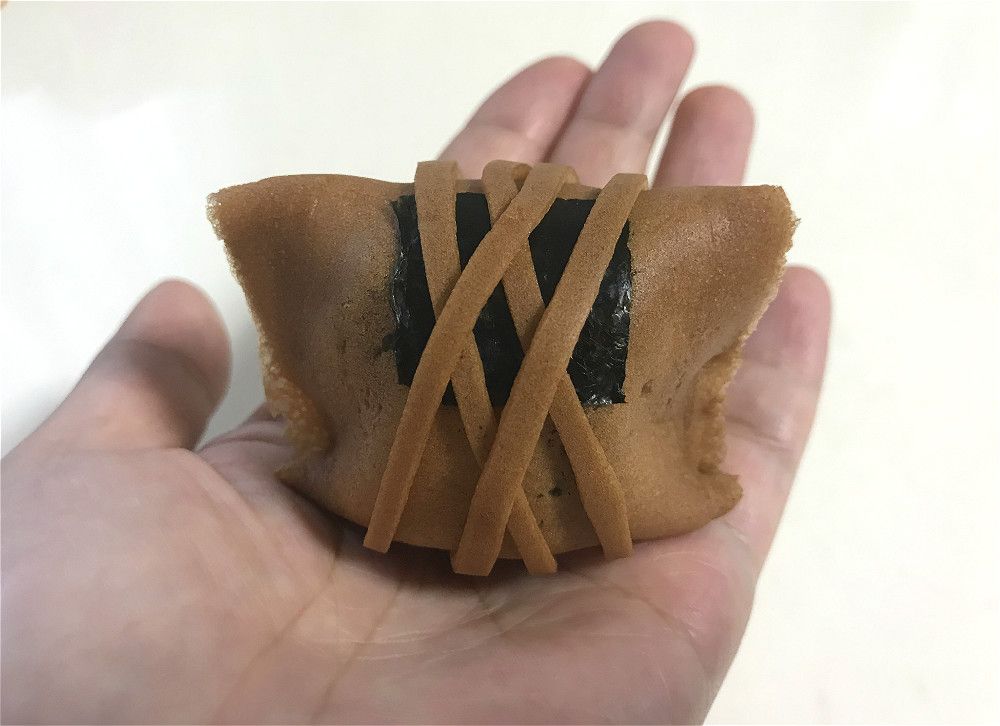
Finally, the stuffing is wrapped tightly and the bunny ears are wrapped over with a thin sheet of seaweed.
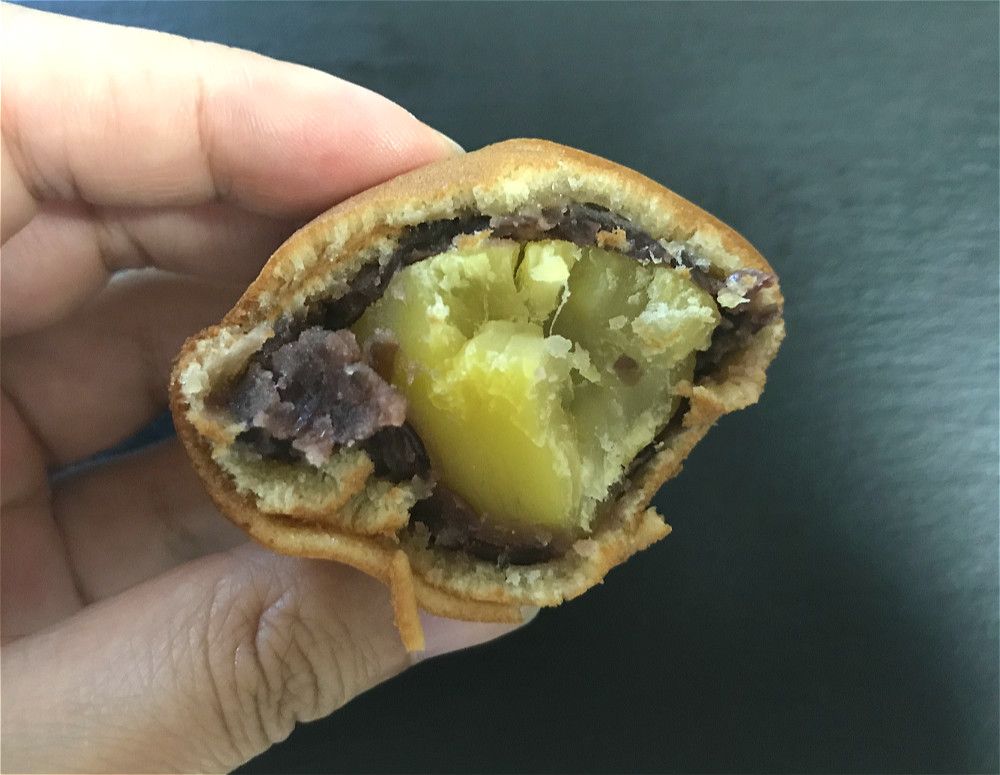
If you visit Kanazawa, don’t miss a chance to watch how it’s made!
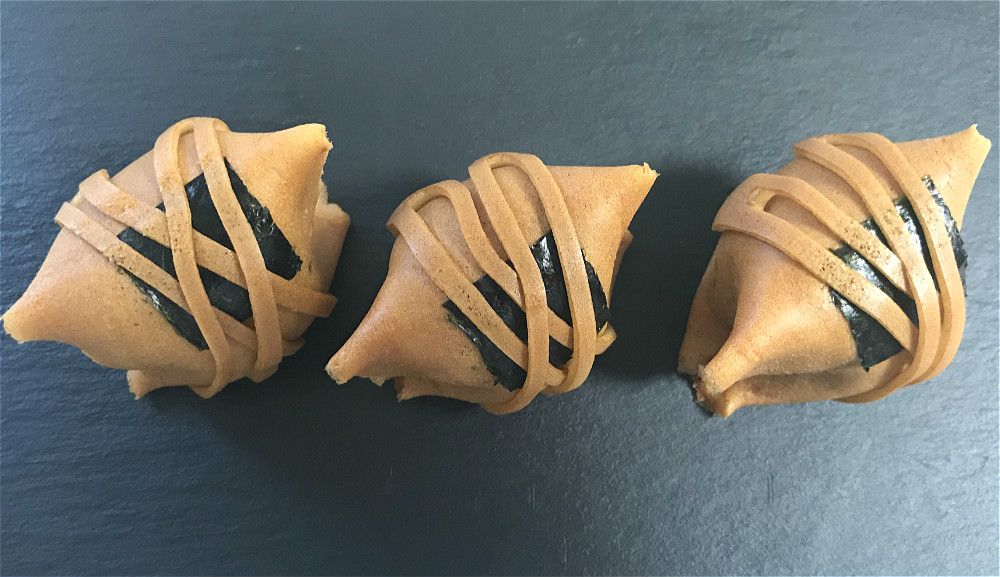
⇓ Check out the video to see how its really done! ⇓
A Taste of Kanazawa Craft
Komokaburi is a perfect reflection of Kanazawa’s attention to detail, combining the elegance of a classic wagashi with a unique wrapping inspired by winter traditions. It is a must-try local specialty that beautifully blends flavor, texture, and regional history.