The Tori-no-Ichi, literally “rooster market,” is one of the most popular festivals in Japan, usually held in November on the “days of the rooster” based on the Chinese zodiac.
The Origins of the Rooster Market
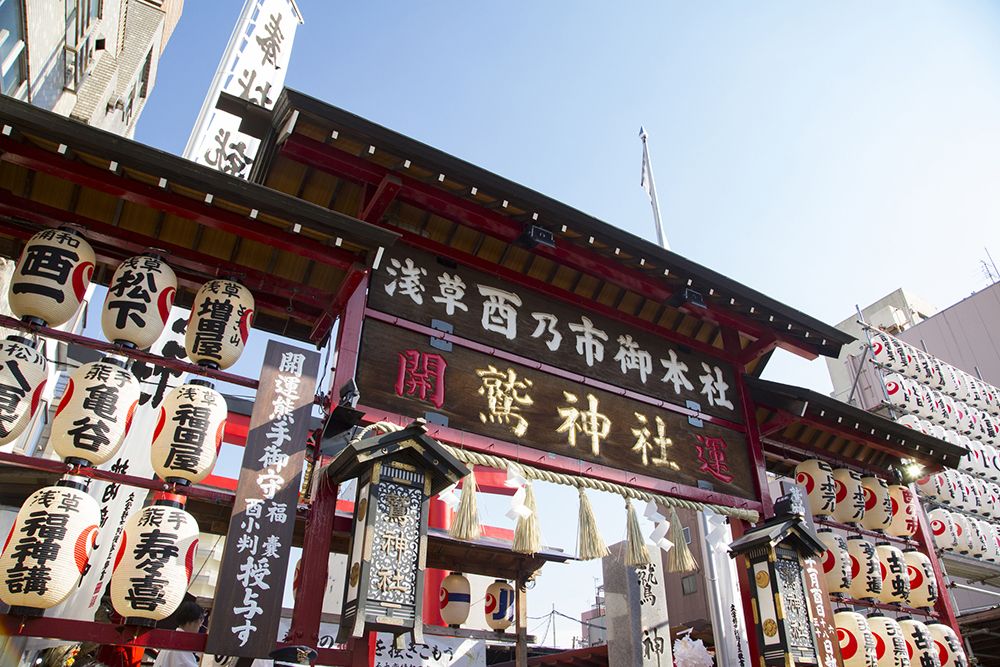
This festival is said to have originated in Tokyo (then Edo) as a harvest festival in Hanamatamura, Adachi-ku. Held at Otori shrines, it was a time when peasants gave thanks to Otori-sama, the deity of good fortune and successful business. Today, it remains a vital tradition for those wishing for prosperity in the coming year.
Dates for 2026
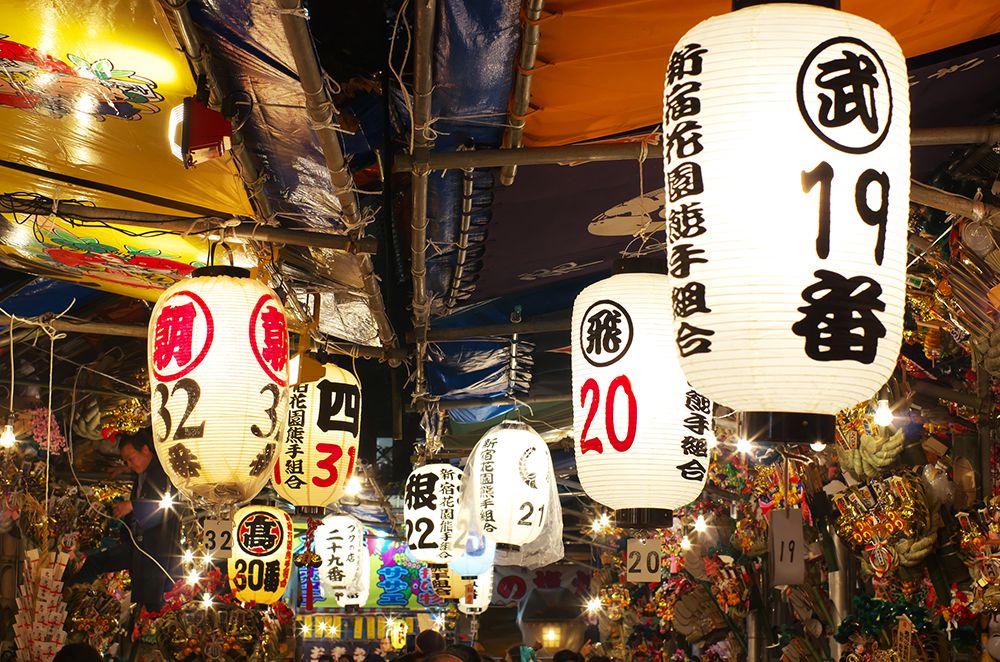
Tori-no-Ichi takes place every 12 days in November. In 2026, the festival will be held on two days:
- November 7 (Saturday) — Ichi-no-Tori (First Rooster)
- November 19 (Thursday) — Ni-no-Tori (Second Rooster)
Since it is held from midnight to midnight (24 hours), you can drop by anytime, but it is most fun to visit at night when the lanterns illuminate the rakes.
Most popular shrines in Tokyo
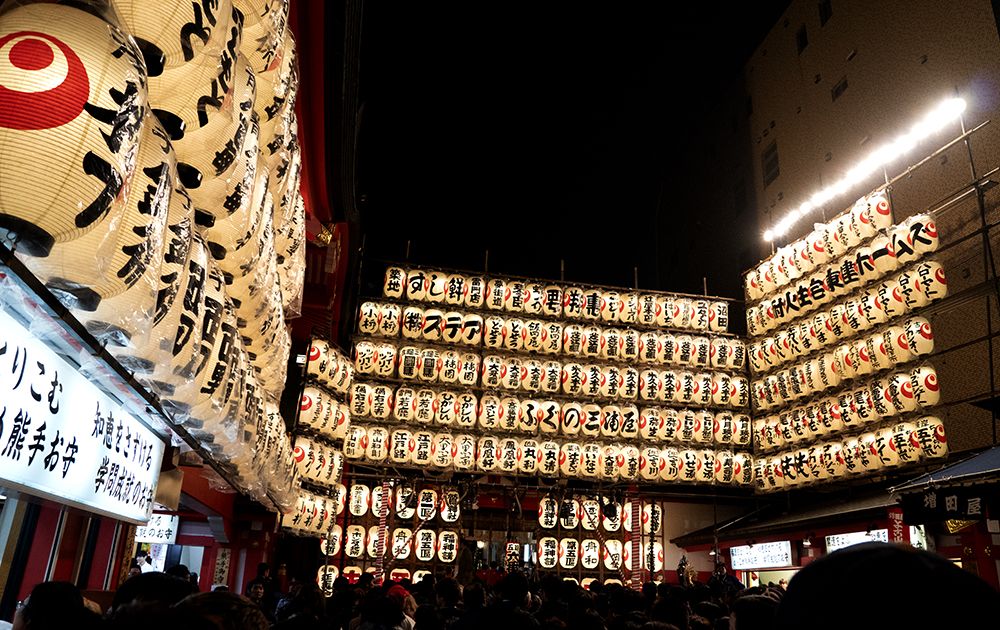
Asakusa Tori-no-Ichi: Juzaisan Chokoku-ji Temple (8-min walk from Iriya Station on Hibiya Line)
Shinjuku Tori-no-Ichi: Hanazono Shrine (8-min walk from Shinjuku Station on JR lines and Shinjuku-Sanchome Station on Marunouchi, Shinjuku lines)
Buying a Kumade (rake)
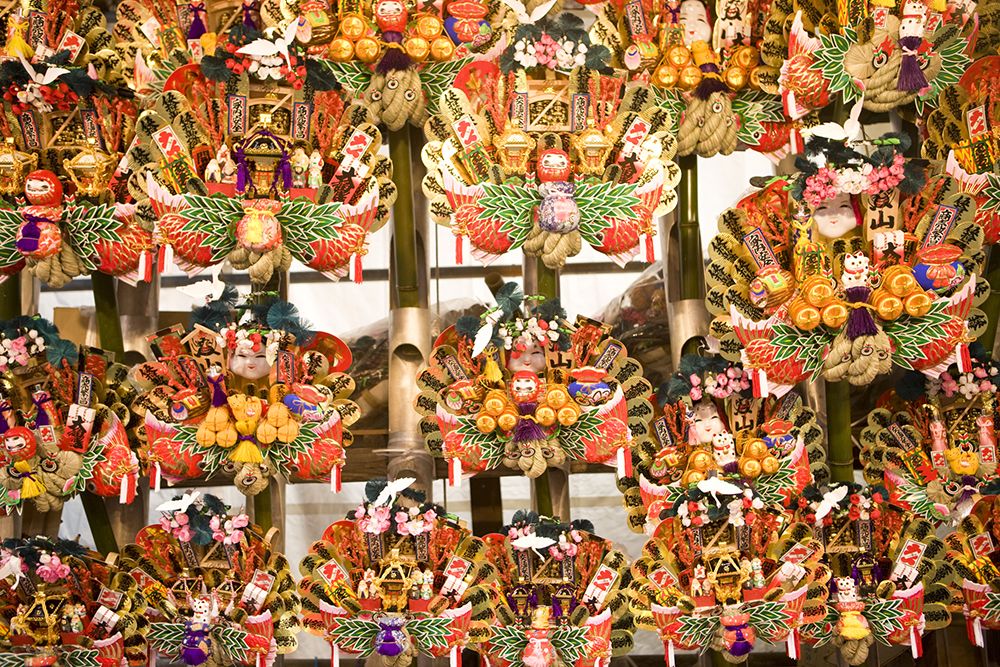
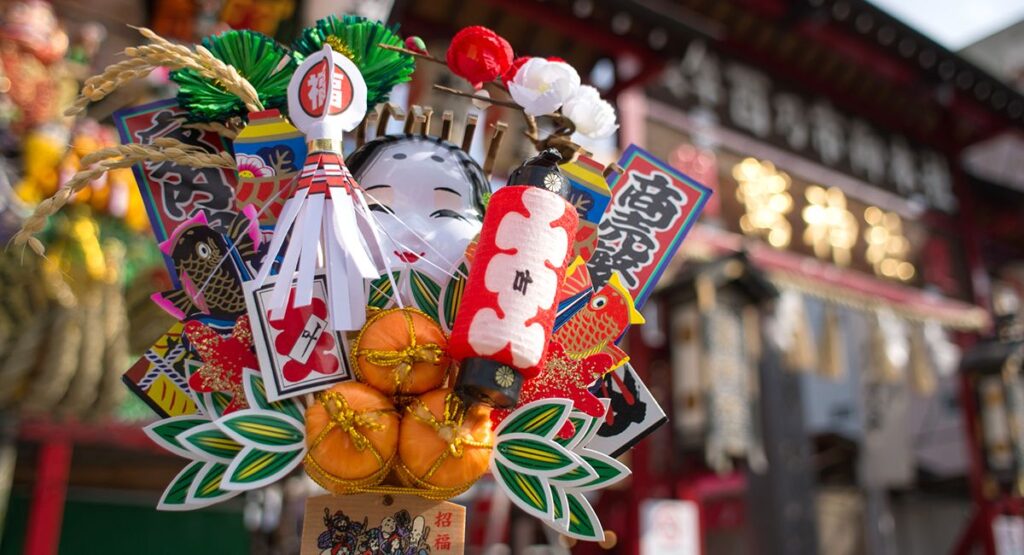
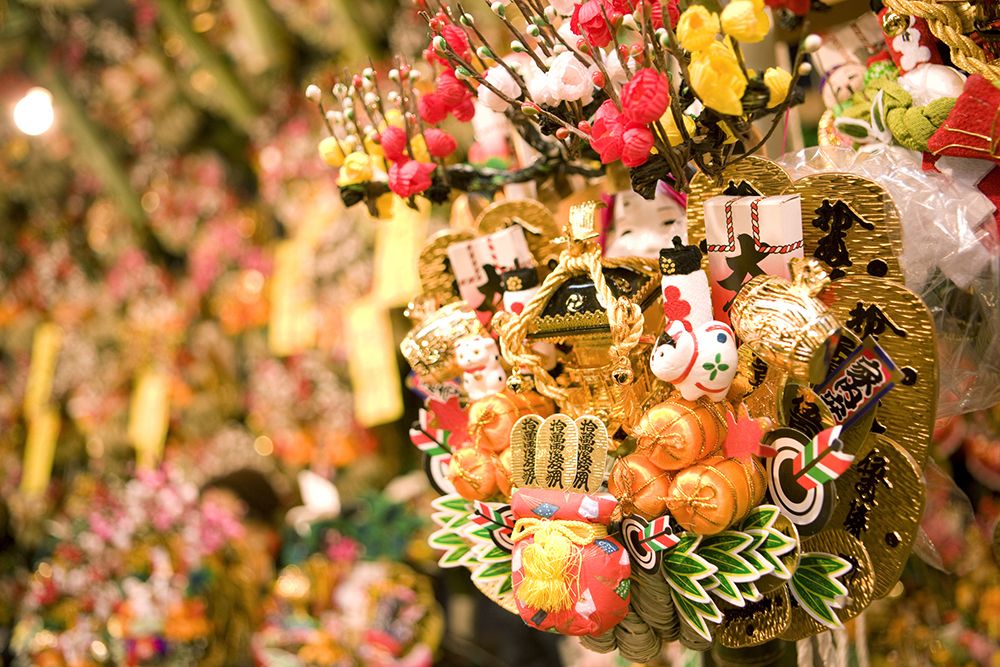
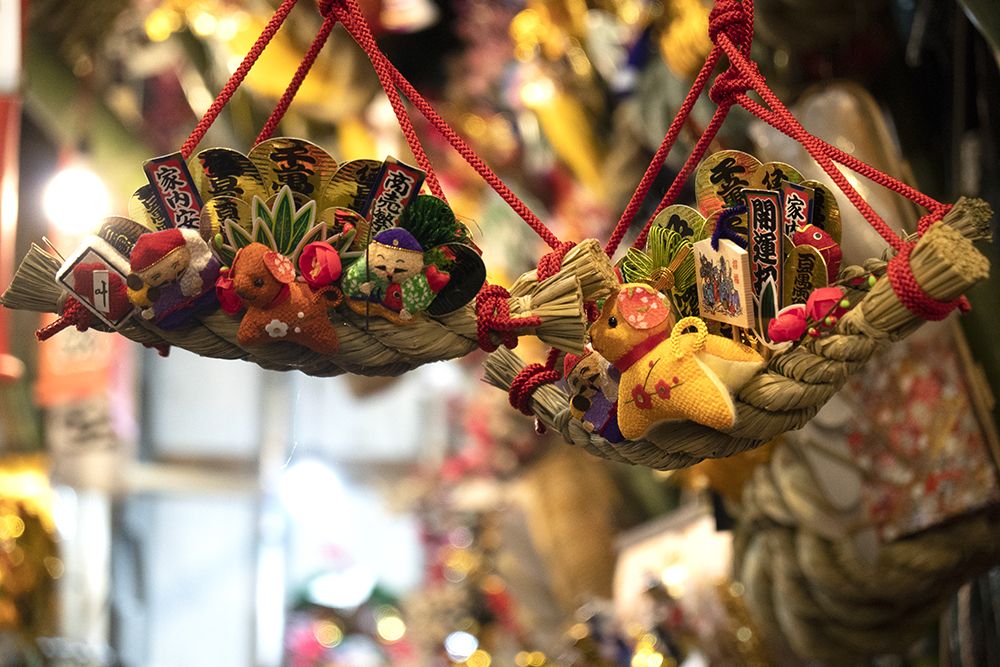
The Kumade (熊手), the item most associated with Tori-no-Ichi, is a decorated bamboo rake said to “rake in” happiness and wealth for the New Year. The name literally means “bear’s hand.” These rakes come in various sizes and are decorated with lucky charms like the Seven Lucky Gods or gold coins. Businessmen often book these in advance and have their names written on a wooden plaque.
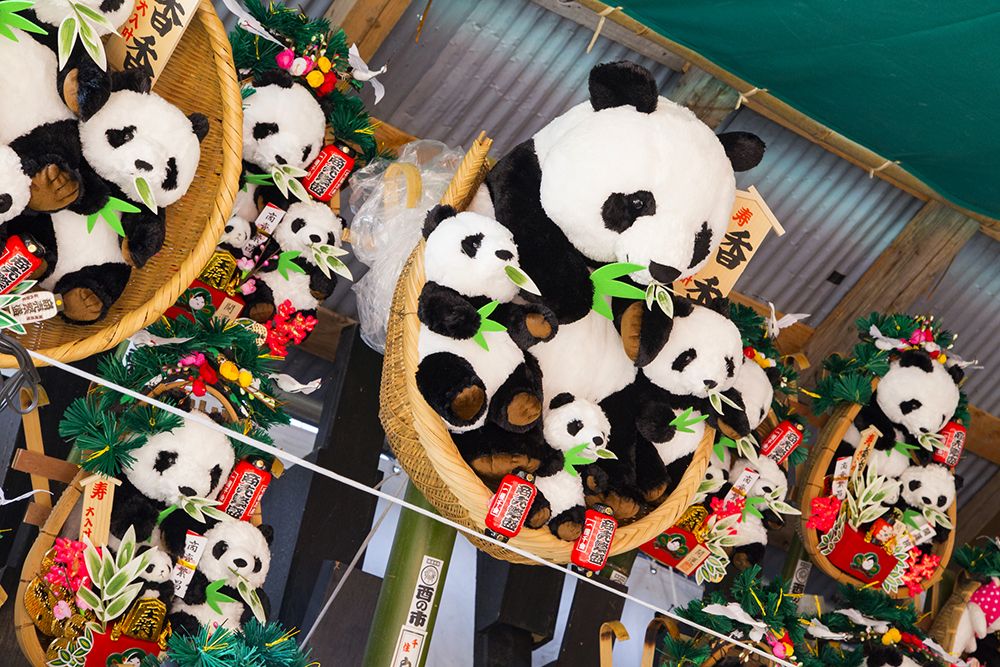
The smallest ones can cost as little as 1,000 yen, while the largest can go into the hundreds of thousands. Traditionally, you return the previous year’s rake to the shrine and buy a new, slightly bigger one for the coming year. You can even find cute modern versions featuring pandas, daruma, and Hello Kitty!
Tejime
A rhythmic clapping ritual called Tejime is performed by the store owners and buyers after a successful sale. The loud, synchronized clapping adds a powerful and festive energy to the air that you won’t want to miss!
Festival Food
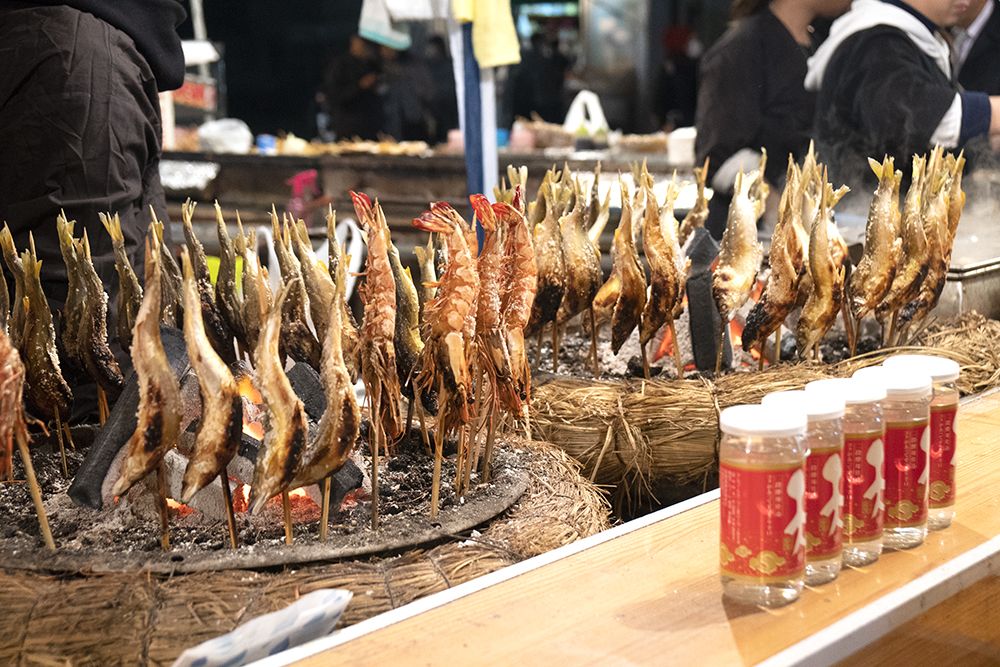
No festival in Japan is complete without the food stalls (yatai). The Asakusa Tori-no-Ichi has the largest number of stalls, with entire streets parallel to the shrine cordoned off. You can eat anything from takoyaki to oden, but make sure to try kiri-sansho, a traditional pepper-flavored mochi sweet that is a specialty of this market!
Wish you all a GOOD FORTUNE!
As the lanterns flicker and the sound of rhythmic clapping fills the cool November air, the Tori-no-Ichi offers more than just a shopping trip—it is a spiritual “reset” for the year ahead. Whether you are a business owner looking for prosperity or a traveler soaking in the Edo-period charm, purchasing a kumade is a beautiful way to literally take a piece of Japanese good fortune home with you. In 2026, let the “bear’s hand” help you rake in your best year yet!